
Last updated November 21, 2026
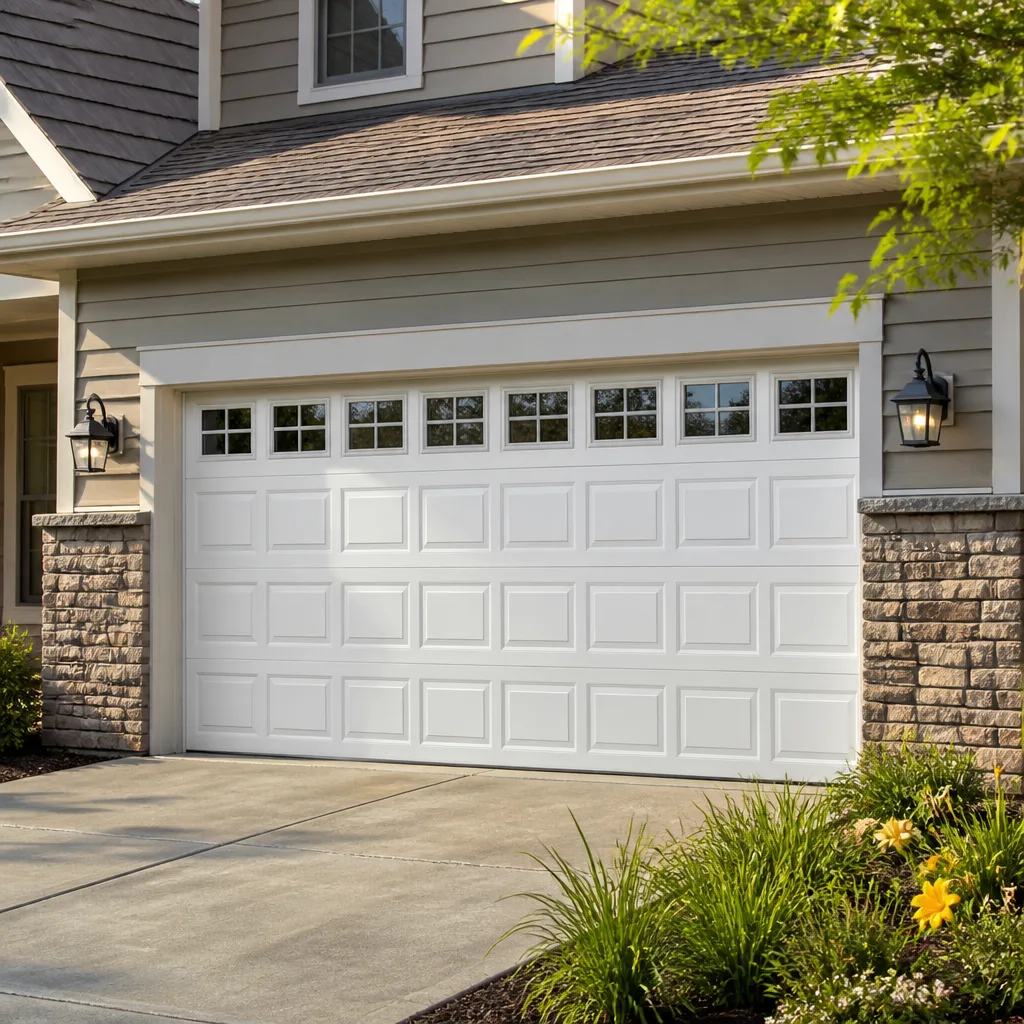 Raised-panel steel
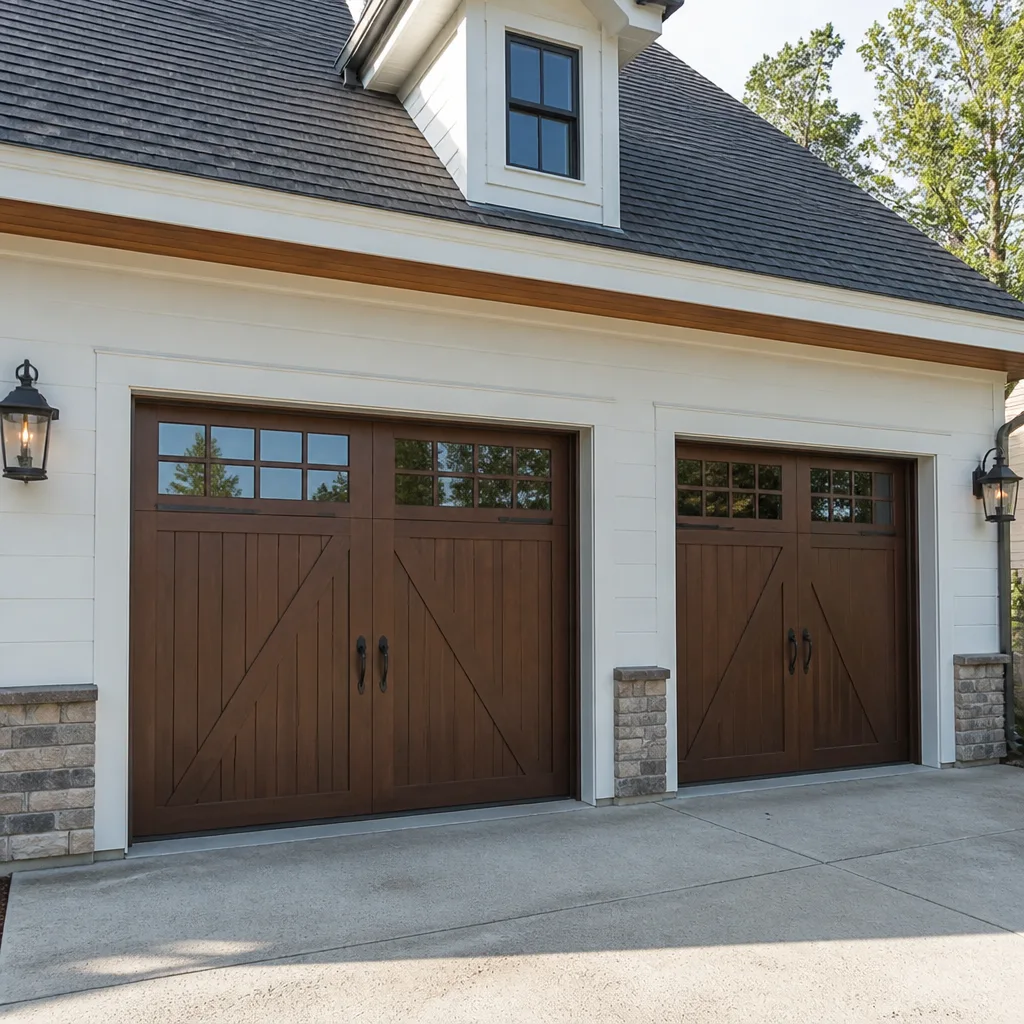 Carriage house
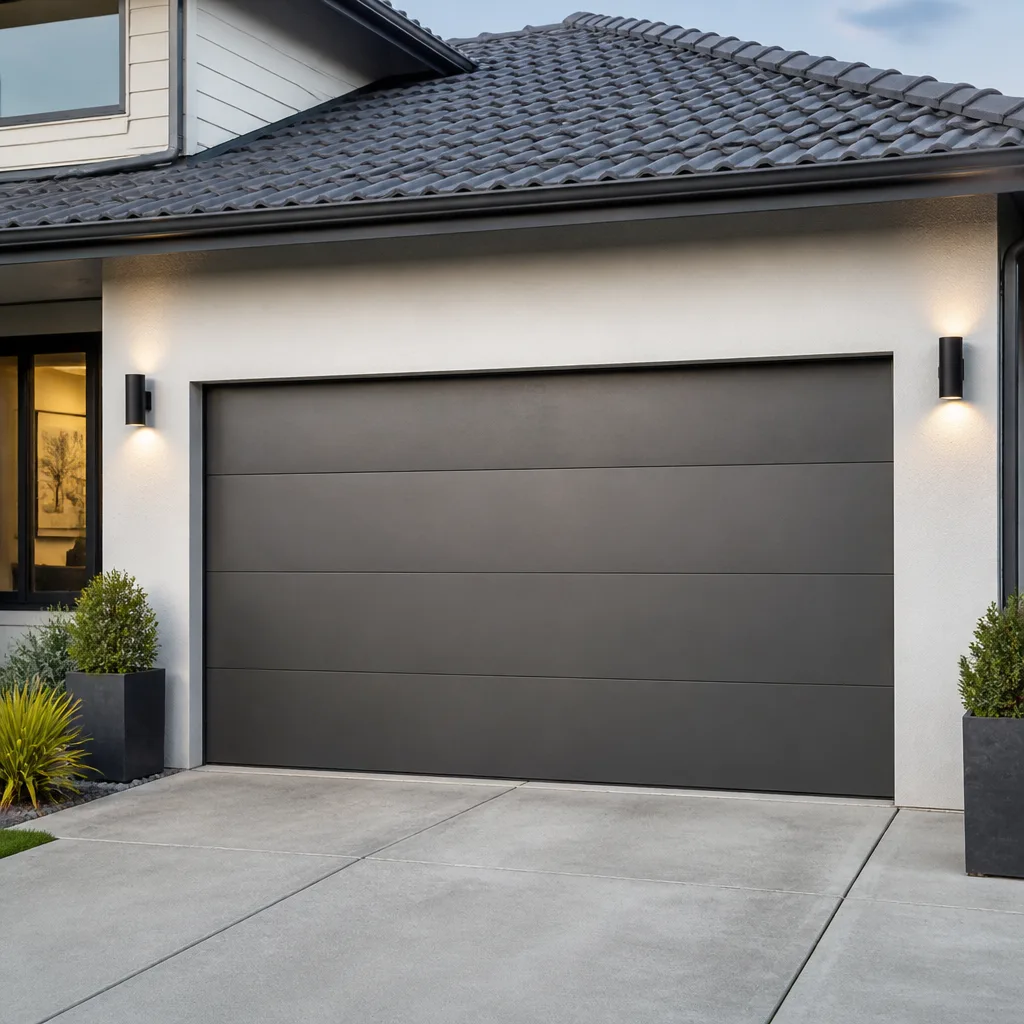 Modern flush
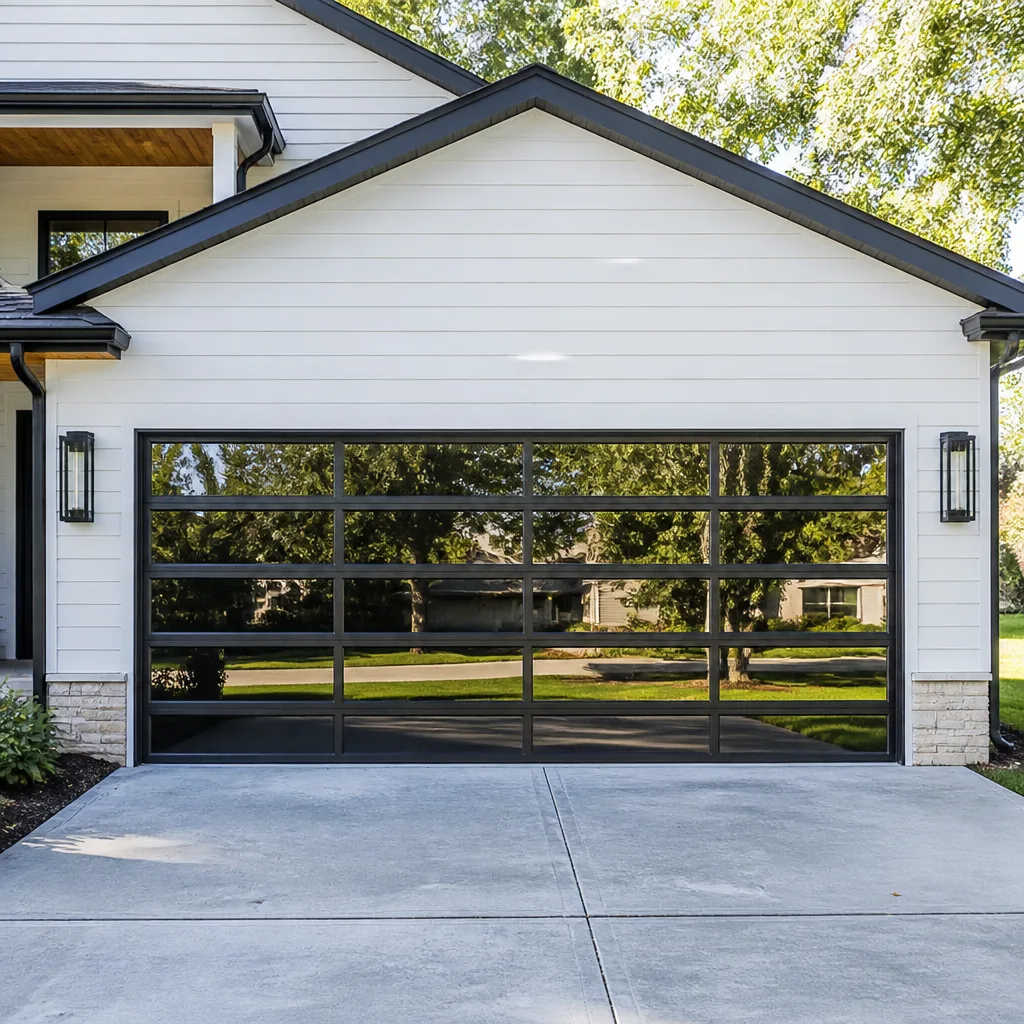 Full-view glass
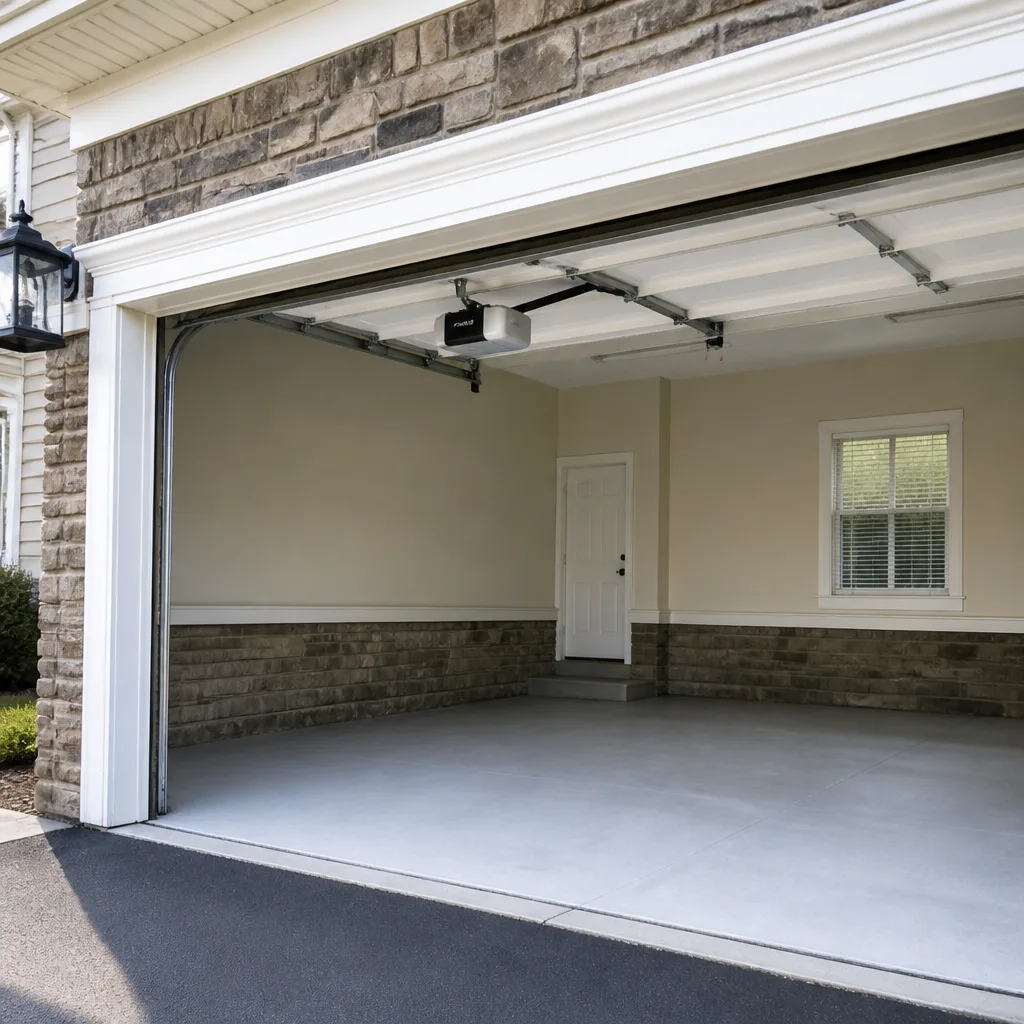 LiftMaster openers
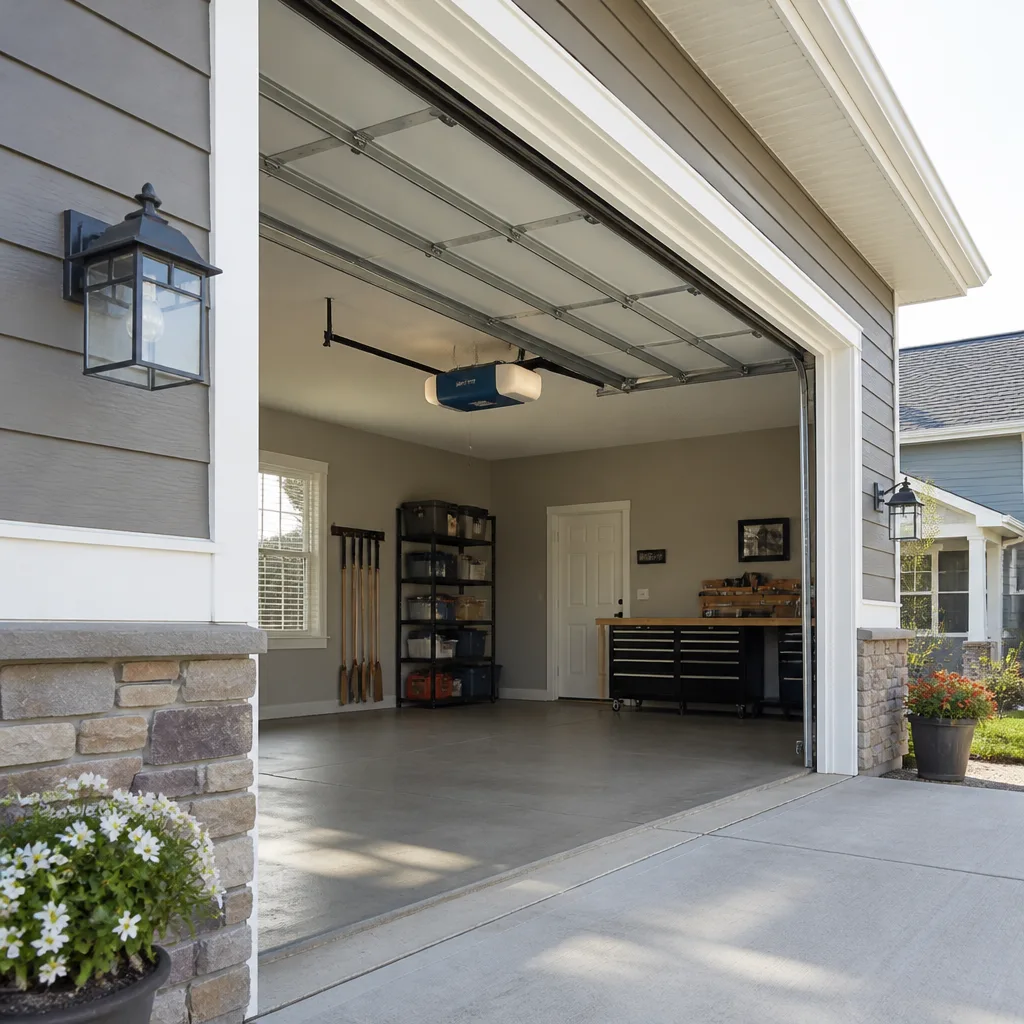 Chamberlain openers
Full 25-point door and opener safety check with every visit - springs, cables, rollers, tracks, and your LiftMaster or Chamberlain opener included
You get a price before we start. It does not change when the pro arrives.
Get your free estimateGarage Door Cost Breakdown: The Wayne Homeowner’s Reference for 2026
The $800 garage door you see advertised doesn’t exist by the time it’s installed in Wayne. By the time material markups, Passaic County permit requirements, disposal costs, and opener compatibility enter the picture, the out-the-door number on a full replacement routinely lands 40% to 60% above the door’s retail sticker. No one explains that gap until the invoice arrives, which is why quotes for what looks like “the same door” can land a thousand dollars apart. This reference walks through the itemized cost structure line by line, explains how Wayne’s older housing stock adds labor hours to a typical installation, and shows you when a repair genuinely beats replacement on a cost-per-year basis. You’ll finish with numbers you can actually use to evaluate a written quote.
Quick Answer
A full garage door replacement in Wayne, NJ typically runs $1,600 to $3,400 for a single-car door depending on material and insulation, with double-car installations landing in the $2,800 to $5,500 range. A repair – spring, opener, track, cable – typically runs $180 to $650. The written estimate always sets the final price, and we quote it before any work starts.
Styles & brands we work with
- Raised-panel steel
- Carriage house
- Modern flush
- Full-view glass
- LiftMaster openers
- Chamberlain openers
Table of Contents
- What’s Actually Inside a Garage Door Quote?
- Steel, Insulated, Wood Composite, or Aluminum: What Does Each Cost in Wayne?
- Why Wayne’s Older Homes Add to Installation Labor
- What Drives Two $1,400 Quotes Apart?
- Repair or Replace? A Cost-vs-Lifespan Breakdown
- Opener Costs and Compatibility
- Permits, Disposal, and the Hidden Lines on the Invoice
- How to Read a Wayne Garage Door Quote
What’s Actually Inside a Garage Door Quote?
An honest garage door quote in Wayne breaks into six line items, and every one of them moves. Understanding each lets you spot where a lowball bid is hiding something.
- Door panel and sections. The visible door itself. A basic single-car steel door runs $550 to $1,100 depending on gauge and design. Insulated panels push the panel cost up $300 to $900.
- Hardware and track. Hinges, rollers, torsion or extension springs, cables, and vertical/horizontal track. Typically $120 to $280 for a standard door in good condition.
- Opener (if replaced). $180 to $420 installed for a chain-drive unit; $320 to $650 for belt-drive; more for smart-capable models from Chamberlain and Genie.
- Labor. $350 to $700 for a standard single door. The bulk of this is leveling, track alignment, spring tensioning, and final adjustment.
- Permit. Wayne homeowners should ask the township building department about a permit before scheduling. Cost and requirement vary by scope, so this line belongs on the quote in writing.
- Haul-away. $75 to $175 to remove and dispose of the old door and panels, including recycling fees.
Add those and the “$800 door” story gets clearer. A mid-grade steel-insulated door with hardware, labor, haul-away, and a required permit lands closer to $1,700 to $2,200 in Wayne before the opener. That’s the realistic floor for a straight replacement on a home that doesn’t throw surprises at you.
Steel, Insulated, Wood Composite, or Aluminum: What Does Each Cost in Wayne?
Material choice is the single biggest lever on a replacement price. In Wayne’s market, most homeowners settle on steel for the value or a steel-back insulated door for climate comfort in the winter months, since a garage under living space loses heat through an uninsulated door.
- Steel (non-insulated). $1,000 to $1,700 installed for a single door. Thin gauge, basic hardware. Cheapest entry point, no thermal benefit, and can dent on a hard impact.
- Steel-backed insulated. $1,600 to $2,600 installed. A polyurethane or polystyrene core between steel skins. Many Clopay and Amarr lines sit comfortably in this tier. This is where most Wayne replacements land.
- Wood composite. $2,700 to $4,500 installed. Looks like real wood, resists the damp better than solid wood, but costs significantly more and needs periodic finish maintenance.
- Aluminum (full-view). $3,000 to $5,800 installed. Glass-panel construction with aluminum framing. Popular on homes with a modern or contemporary roofline. Higher upfront cost, but sees less wear on the panel finish.
The gap between a $1,100 steel door and a $2,400 insulated door is roughly $1,300 out of pocket. On an attached garage with rooms above, that insulated upgrade typically pays back via reduced heat loss through the winter. If the garage is a detached shed with no living space above, the insulated premium is harder to justify on cost alone.
Why Wayne’s Older Homes Add to Installation Labor
Many of the homes ringing Wayne’s central neighborhoods and the older streets near the Preakness area were built between the 1950s and the 1970s. Those decades brought more consistent garage dimensions than earlier construction, but they also bring specific installation challenges that a newer subdivision in Passaic County doesn’t. Labor hours go up when the opening doesn’t match catalog specs.
- Low headroom. Older garages often have shallower ceilings than modern builds, which can force low-headroom hardware kits or a different track configuration. That adds $150 to $400 to a job.
- Non-standard opening widths. A few generations of settling and remodeling means catalog door sizes don’t always line up. Custom sizing adds days to the order and $200 to $500 to the price.
- Masonry attachment. Brick and block side jambs require different anchor strategies and sometimes reframing at the corners. That’s slower work, and it’s the difference between a three-hour install and a full day.
- Fascia and trim repair. On a house that’s weathered many seasons, the trim around the opening sometimes can’t be reused. New trim plus paint is $150 to $400.
None of these are reasons to shop for a cheaper door. They’re reasons to have a contractor walk the opening before giving you a number. A low estimate that didn’t account for low headroom or masonry jambs will grow the moment the tech starts the job.
What Drives Two $1,400 Quotes Apart?
Two quotes that read “$1,400” can describe two genuinely different jobs. Here’s what to check line by line.
- Hardware grade. A cheap bid uses 14-gauge hinges and nylon rollers on a light cycle rating. A proper bid uses heavier gauge hinges and ball-bearing rollers. The door lasts years longer on the same usage.
- Spring type. Torsion springs (mounted above the door, doing the real lifting work) versus extension springs (mounted along the sides). Torsion is more durable and safer but costs $80 to $200 more for the hardware alone.
- Warranty terms. Read the language. A “lifetime” warranty on a cheap door often covers only the panel against defects, not labor, not springs, not opener electronics. A reasonable warranty splits coverage by component, with specific terms for each.
- Opener included or not. Some quotes bundle a new opener, some don’t. A belt-drive unit installed adds $320 to $650 to the total.
- Removal and haul-away. Stacked bids sometimes leave the old panels sitting in your driveway. Confirm the disposal line is included.
- Track replacement. If the existing tracks are bent or rusted, a proper bid replaces them. Some quotes re-use hardware that’s past its working life.
- Final adjustment. A tech who spends 45 minutes on balance and safety-reverse testing versus one who leaves in 15 makes the difference between a door that works reliably and one that binds within a month.
Ask each contractor for the hardware spec sheet and the warranty language in writing. A $1,400 quote with 14-gauge hinges and a light-duty spring is not the same job as a $1,400 quote with proper torsion hardware. This is where our garage door repair work on Wayne homes gets its footing – we’ve seen which hardware fails first, and we quote to that standard.
Repair or Replace? A Cost-vs-Lifespan Breakdown
Repair is the better financial call when the door has meaningful remaining life and the failure is a discrete component. Replacement makes more sense when the panel itself is failing or when multiple systems are near the end of their life at the same time.
- Broken spring, otherwise sound door. garage door spring repair runs $180 to $340 for a single spring; a matched pair runs roughly double that, since pairs are almost always replaced together. A good spring lasts years of normal use. Repair wins clearly.
- Opener failure, modern door. garage door opener repair runs $150 to $480 depending on the component. Replacement door isn’t needed unless the door is also failing. Diagnose before you replace.
- Bent track from a minor impact. Track and roller repair runs $200 to $450. Repair wins unless the panels were also damaged.
- Cracked or rusted panel plus failing springs plus a tired opener. Now the sums tilt. A door with multiple failing systems is often cheaper to replace outright than to piece together over two years.
- Door older than roughly 20 years with cosmetic failure. Replacement breaks even against repair inside a couple of years, and you get current safety hardware in the deal.
A quick way to think about it: divide the total repair cost by the remaining years you expect the door to last. If the annual cost-per-year is lower than the amortized cost of a full replacement over the new door’s life, repair is the financially sound call. Push that math honestly. Repair-first is our default because it respects your wallet, not because it’s always the right answer.
Opener Costs and Compatibility
The opener is easy to overlook in a cost comparison until it becomes the reason your new door doesn’t quote cleanly. When you replace a door, the existing opener has to be compatible with the new door’s weight and travel, and it has to have the safety features current code expects. Older chain-drive units may need replacement alongside the door rather than carryover.
- Basic chain-drive opener. $180 to $380 installed. Appropriate for detached or low-traffic garages.
- Belt-drive opener. $320 to $650 installed. Quieter, which matters on attached garages under bedrooms.
- Smart-capable opener. $380 to $700 installed. Works with app control and voice assistants. Chamberlain and Genie lead this space, with most modern residential units built compatible.
- Direct-drive or screw-drive units. $300 to $550 installed. Less common in residential but solid where ceiling height is limited.
If your opener is more than a decade old, the quote usually splits into “keep it” or “replace it” rather than combine. Keep it if the door weight matches and the safety reverse test passes. Replace it if the unit is chain-drive, no smart features, and the door is going from a lightweight steel to a heavier insulated panel. That last case is common in Wayne homes where a replacement door upgrade forces a new opener too.
Permits, Disposal, and the Hidden Lines on the Invoice
Wayne homeowners should call the township building department before scheduling a full door replacement to confirm whether a permit is required for the scope. Whether it is, and what it costs, comes from the city, not from any contractor. Ask for it in writing if you want to be certain, and make sure any contractor you hire accounts for it as a distinct line on the quote.
Disposal is the other line that quietly appears at the end. An old door doesn’t just vanish. Panels have to be removed, loaded, and recycled or taken to a waste facility, and that costs $75 to $175 in the Wayne area for a full replacement. A quote that leaves haul-away off is not a cheaper quote; it’s an incomplete quote.
What else belongs on the invoice in writing:
- Door model, material, size, and gauge (not just “steel door”)
- Hardware spec (spring type, hinge gauge, roller grade)
- Opener model and drive type, if included
- Track and cable replacement yes or no
- Final disposal and haul-away
- Warranty split by component (panel, hardware, labor, opener)
- Estimate expiration date
No permit and no hidden fee surprises. If a quote reads light on any of those lines, ask why before signing.
How to Read a Wayne Garage Door Quote
A written quote is only as useful as the line items in it. Follow this before you compare numbers.
- Break the total into door, hardware, labor, opener, permit, and disposal. If a bid won’t itemize, treat the total as a ceiling, not a fixed price.
- Read the hardware spec. Torsion or extension spring, hinge gauge, roller grade. Anything missing means the contractor reserved the right to substitute cheaper parts.
- Confirm the removal line. Old door gone, driveway clean.
- Match the warranty terms to the components. Panel-only coverage that excludes springs and labor is weak.
- Verify the written estimate sets the final price. Ask directly: “If nothing else is wrong once you see it, is this the number?” The answer should be yes, and the price should be agreed before any work begins.
Then compare apples to apples. Two $1,500 quotes side by side, one with 25-gauge hinges and one with 14-gauge, are not the same door. That’s the entire point of itemizing.
Common Mistakes to Avoid
- Buying on the panel price alone. Door sticker price is often half the real installation cost once hardware, labor, permit, and disposal are added. Budget the out-the-door number.
- Skipping the permit question with the township. Whether a permit is required for your warranty or your resale folder depends on what the city says. Ask first.
- Chasing the cheapest hardware spec. Saving $80 on hinges and rollers usually means paying for replacement hardware within a few years.
- Assuming your old opener carries over. A heavier insulated door plus an aging chain-drive unit is a common pairing for early failure. Have the opener checked against the new panel weight.
- Forgotten disposal. A quote without a haul-away line tends to leave the old panels in your driveway.
- Comparing a bare door price to a full-installation price. One is a product, the other is the job. Same number, different meaning.
- Replacing when repair would have been cheaper. With a door under twenty years old and a single failing component, get the repair number before you sign a replacement contract.
See the difference
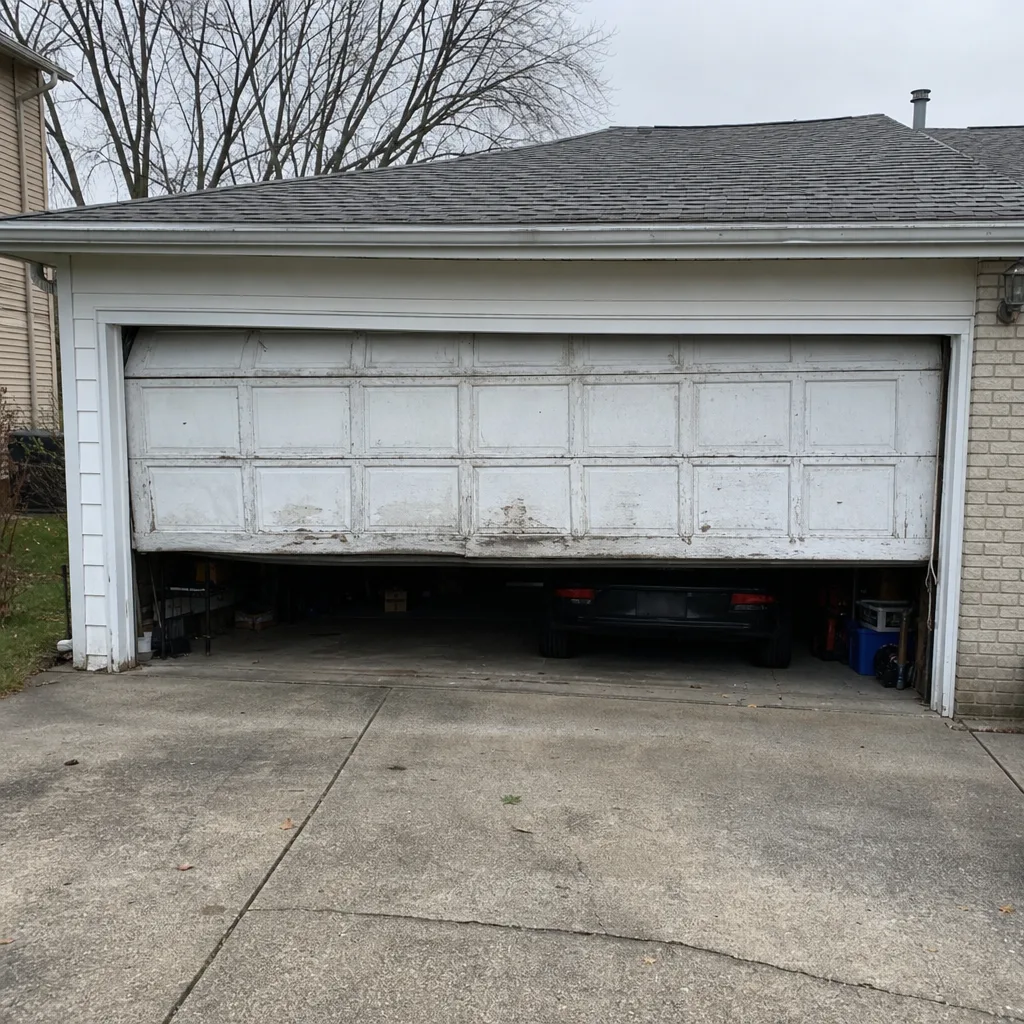 Before
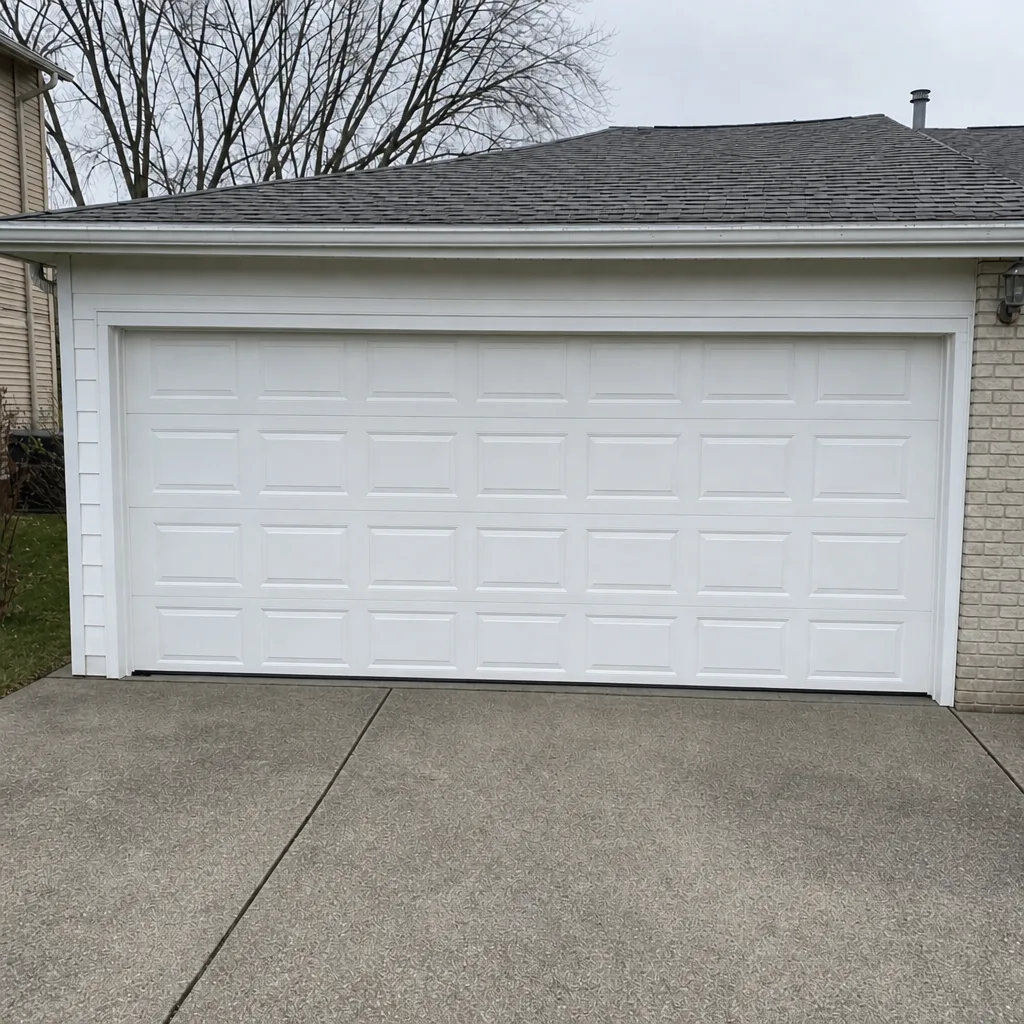 After
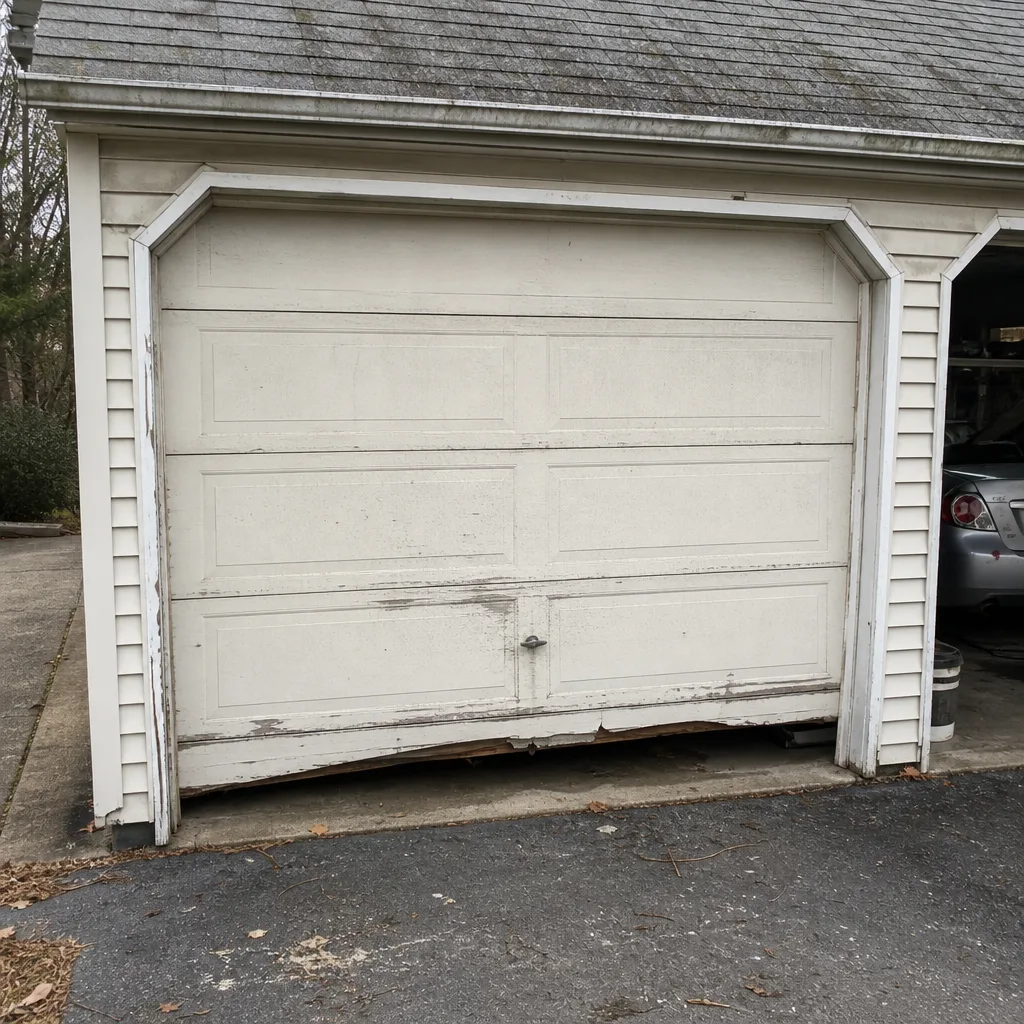 Before
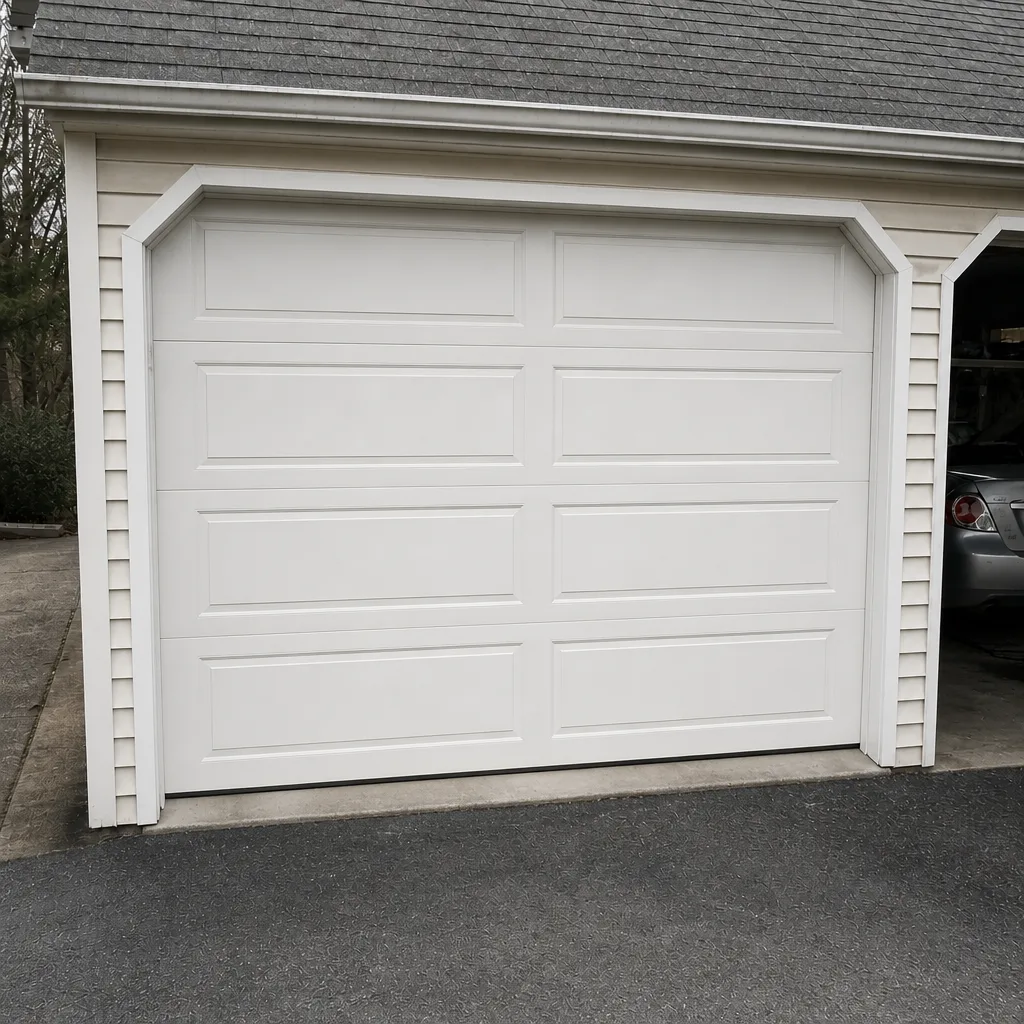 After
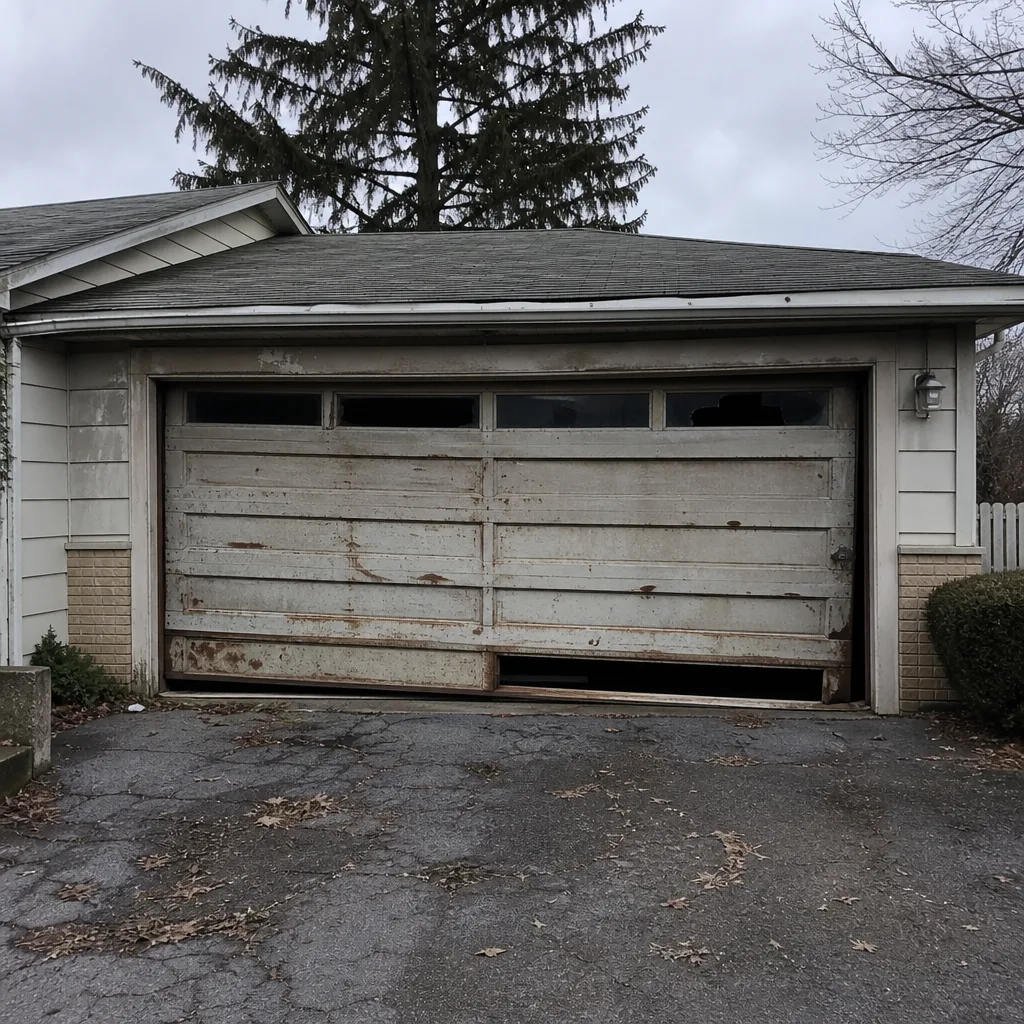 Before
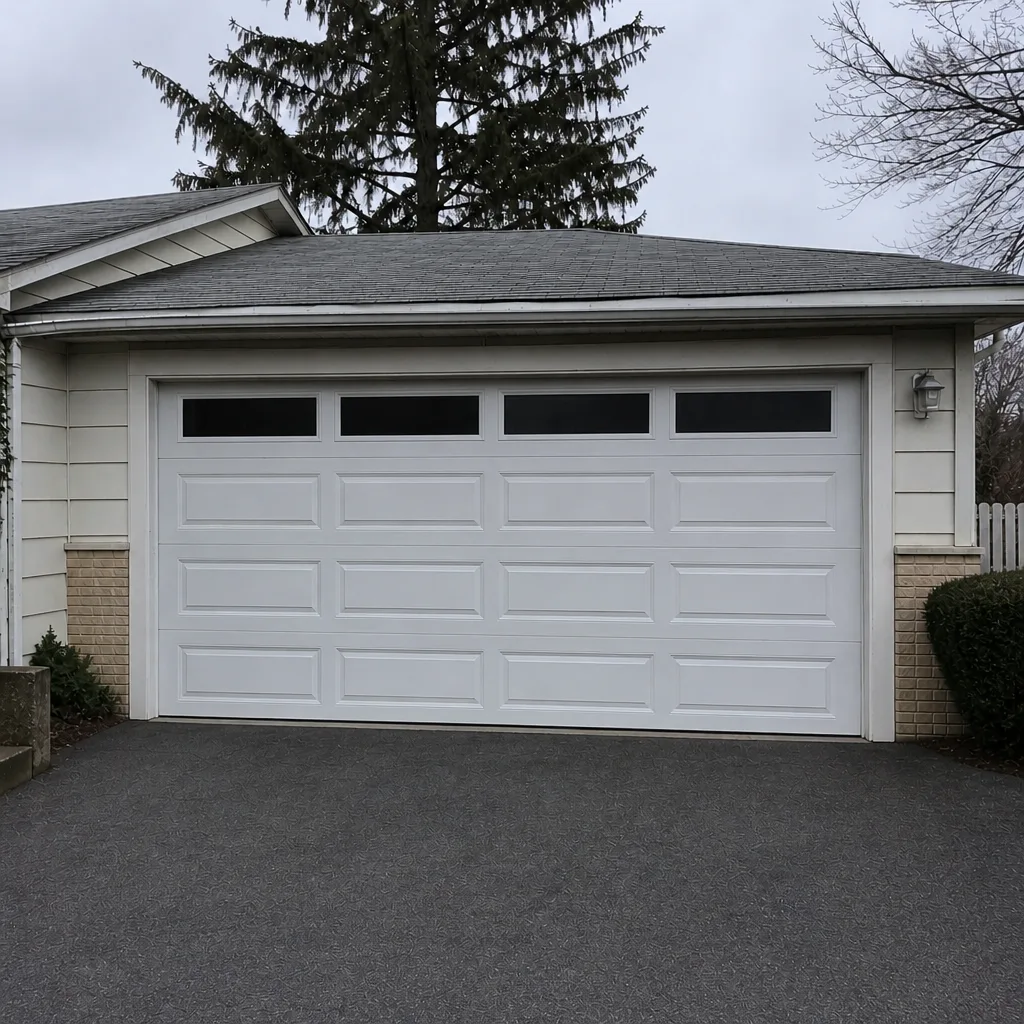 After
When to Call a Professional
Situations that deserve a technician rather than a weekend project: any spring failure (torsion or extension – springs are under tension and can cause serious injury when mishandled), a door that has come off one track, a door with a snapped or frayed cable, an opener that stops responding or reverses unexpectedly, and any door that binds, jerks, or fails to close fully. If your door won’t open and your car is inside it, that’s an emergency situation and we treat it as one. We service torsion and extension springs directly, work across Clopay, Amarr, Chamberlain, and Genie hardware, and diagnose openers before recommending replacement. Wayne Garage Door Repair Pros offers free estimates in Wayne – call (844) 708-3348. We answer 24/7. Fast dispatch from 7am to 7pm, Sunday through Friday.
Frequently Asked Questions
A single-car replacement in Wayne typically runs $1,600 to $3,400 installed. A double-car door lands in the $2,800 to $5,500 range. That covers the panel, hardware, labor, and haul-away; the opener and permit add on top if they’re needed. Call (844) 708-3348 for a free estimate on your specific opening.
Not if the quote was properly measured. We inspect the opening, measure headroom, confirm spring type and track condition, and write the estimate to that scope. The price is quoted and agreed before any work starts. If something genuinely unexpected shows up (a bent track that wasn’t visible, a corner that won’t anchor), we talk it through with you before doing anything that adds cost.
Usually, yes. Spring repair is a core specialty and we keep the standard torsion and extension hardware available. Same-day service is real for repair calls, and emergency door failures are treated as such by our dispatch. Call (844) 708-3348 and we’ll book you in.
That depends on the scope and the current township requirement, so the answer comes from the Wayne building department, not from us. Call them before scheduling to confirm whether a permit is required for your replacement. Then make sure the permit line is itemized on any quote you receive.
Repair. A single spring failure on an otherwise sound door is a $180 to $340 fix (roughly double for a matched pair), and a good spring lasts years of normal use. Replacement only makes financial sense when the panel is failing, the track is bent, or the springs and opener are both near end of life. We always run the repair number first.
Yes. We service LiftMaster, Chamberlain, Genie, Clopay, Amarr, Wayne Dalton, Craftsman, and Raynor systems as part of our normal work. That means we diagnose your specific unit before recommending a replacement, which saves money on openers that only need a targeted fix. Call (844) 708-3348 for a free estimate.
The Bottom Line
The garage door cost in Wayne is the sum of six line items: door panel, hardware, labor, opener, permit, and disposal. A full replacement for a single-car door lands around $1,600 to $3,400 in this market for a steel or steel-insulated panel, and double-car installations run $2,800 to $5,500. Older homes in Wayne add labor when headroom, opening width, or masonry jambs complicate the install. Repair stays the better financial call when the door has life left in it and a single component has failed. Replacement breaks even faster when multiple systems fail at once. Either way, itemize the quote, confirm the disposal line, and read the hardware spec. The written estimate sets the final price. Call (844) 708-3348 for a free estimate. We answer 24/7. Fast dispatch from 7am to 7pm, Sunday through Friday.
Related Reading
Written by the team at Wayne Garage Door Repair Pros.