
Last updated November 21, 2026
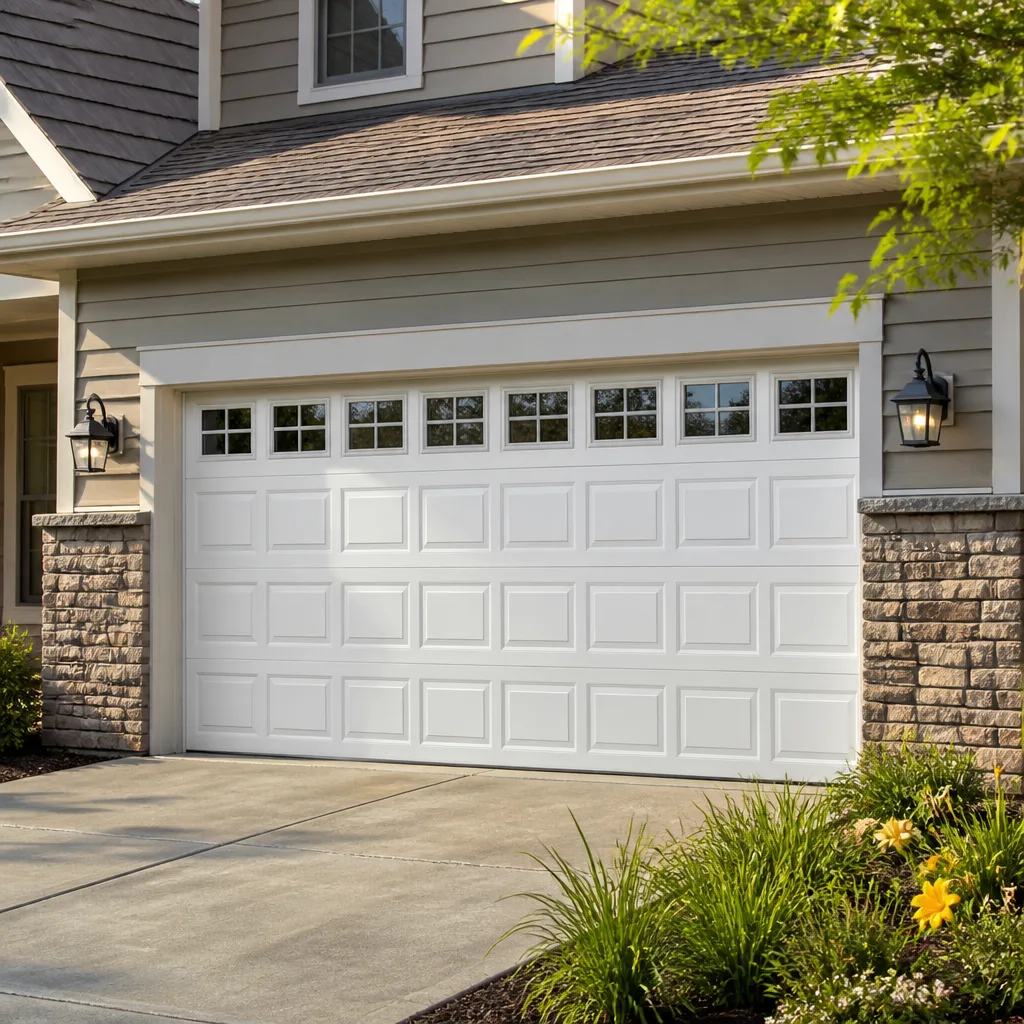 Raised-panel steel
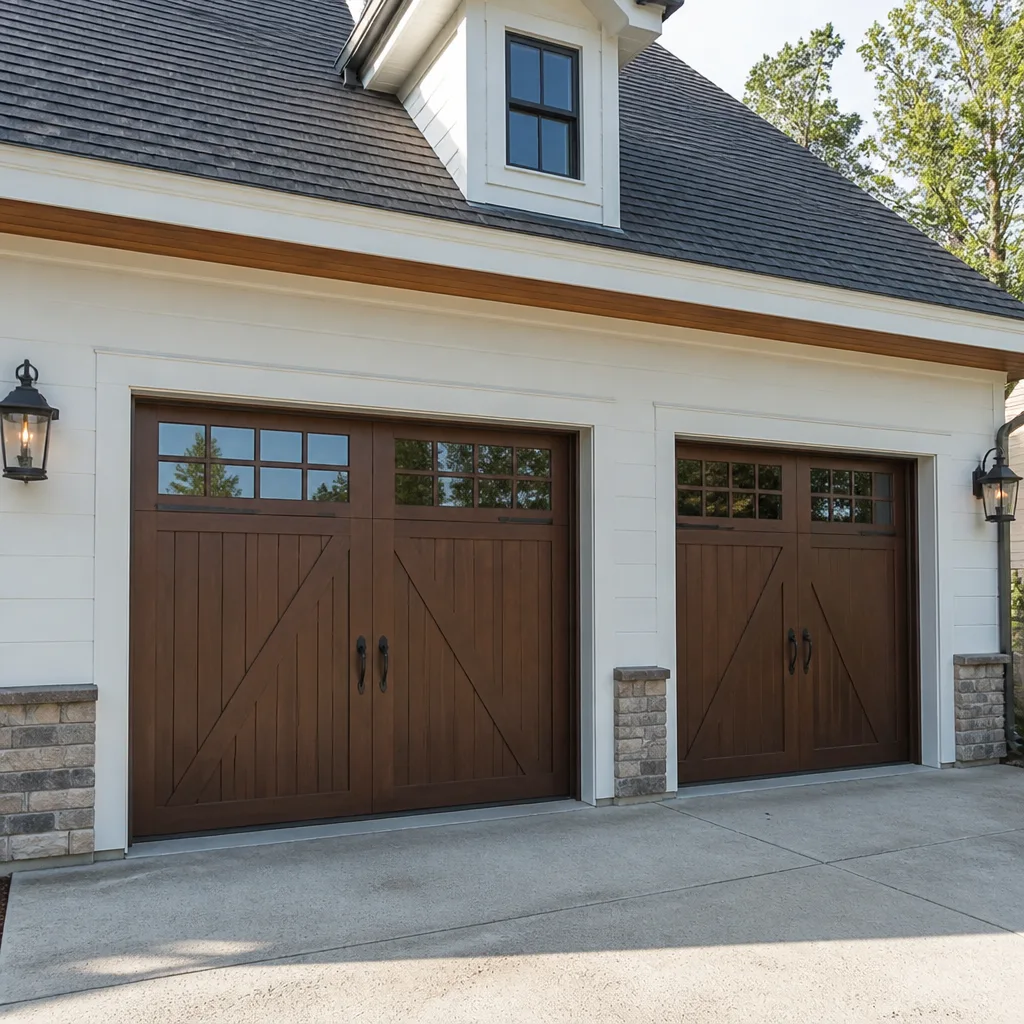 Carriage house
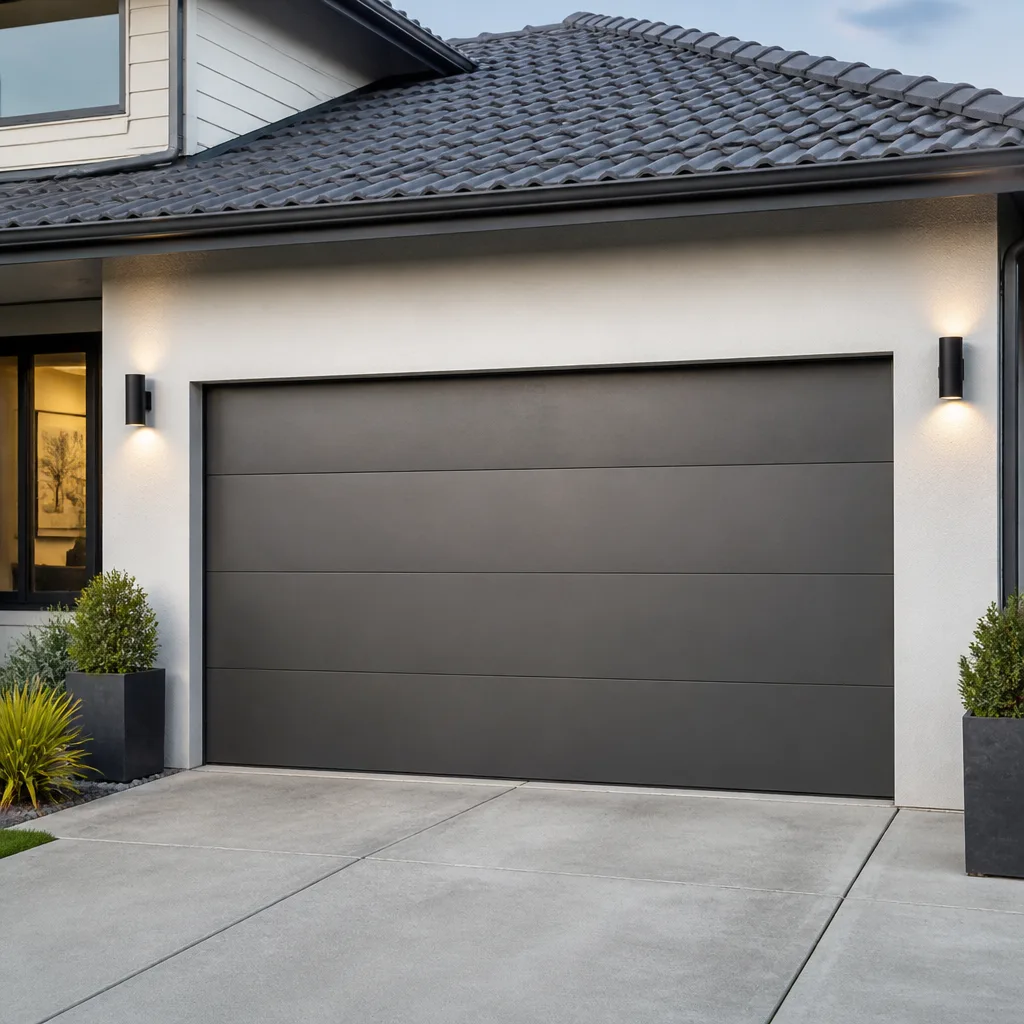 Modern flush
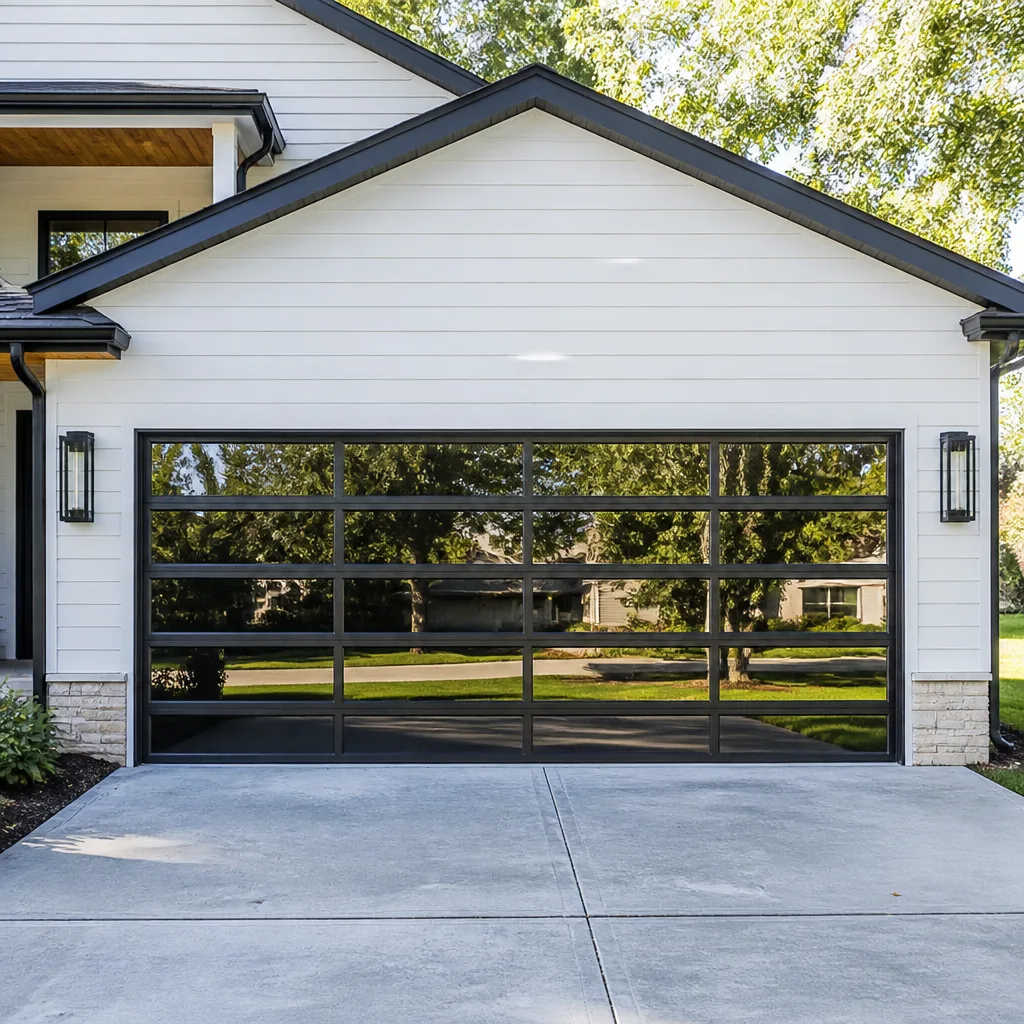 Full-view glass
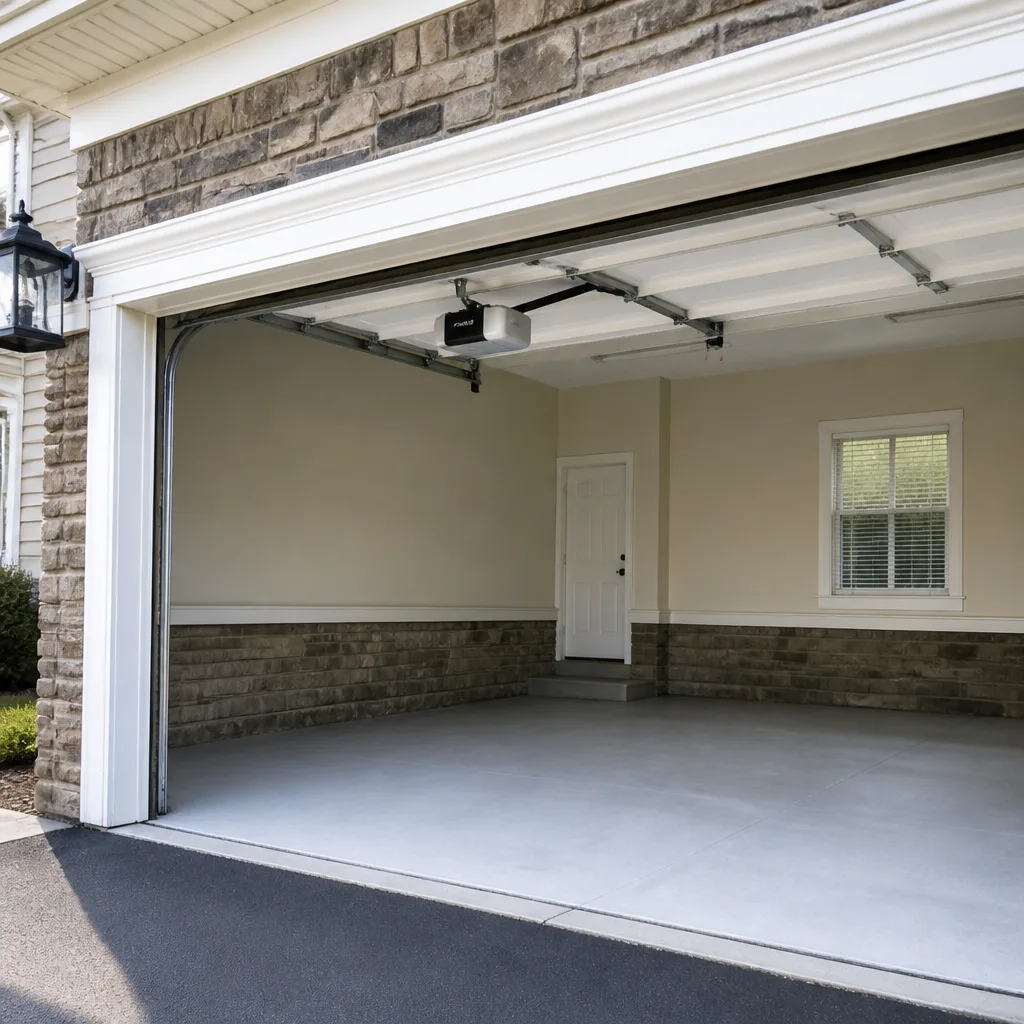 LiftMaster openers
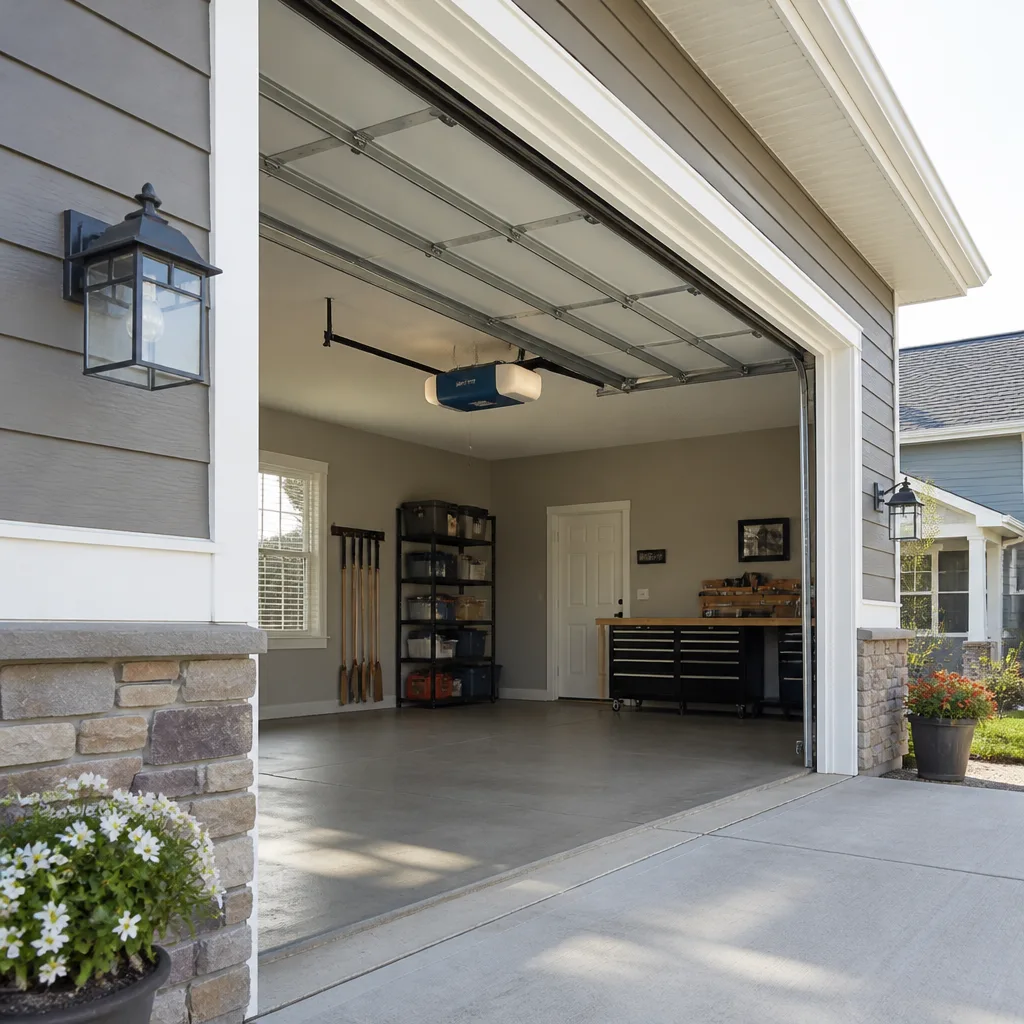 Chamberlain openers
Full 25-point door and opener safety check with every visit - springs, cables, rollers, tracks, and your LiftMaster or Chamberlain opener included
You get a price before we start. It does not change when the pro arrives.
Get your free estimateGarage Door Permits, Codes & Inspections in Wayne, NJ: What You Need to Know
Most Wayne homeowners are told the same thing when they replace a garage door: “Don’t worry about a permit, it’s just a door.” That advice gets repeated so often that it sounds like policy. It isn’t. Under New Jersey’s Uniform Construction Code, whether your Wayne garage door job needs a permit depends on what the job actually involves – the structure around the opening, the motorized operator, and whether the door is on an attached garage. Skip a required permit and the work becomes an unpermitted improvement, something a real estate attorney has to disclose and a buyer’s inspector tends to find. This guide walks through Wayne’s permit triggers, what an inspection checks, how to permit work retroactively, and why fire-rated door rules matter in attached garages.
Quick Answer
In Wayne, a garage door permit is generally required when a job changes the structural opening, when a new motorized operator is installed, or when the door serves a fire-rated separation between an attached garage and the living space. A straight like-for-like replacement with no framing or header changes often falls outside the permit triggers – but “often” isn’t “always,” so confirm with Wayne Township’s building department before you order the door. If work was already done without a permit, retroactive permitting is possible and usually cheaper than leaving it undisclosed at sale.
Styles & brands we work with
- Raised-panel steel
- Carriage house
- Modern flush
- Full-view glass
- LiftMaster openers
- Chamberlain openers
Table of Contents
- When Does a Garage Door Job Need a Permit in Wayne?
- Fire-Rated Doors and Attached Garages: The Code Point Everyone Misses
- What the NJ Uniform Construction Code Actually Covers
- What an Inspector Actually Checks
- What “Like-for-Like Replacement” Means in Wayne
- How to Permit Work That Was Done Without a Permit
- Wayne’s Housing Stock and Why It Matters
- Closing a Permit: The Step Homeowners Forget
When Does a Garage Door Job Need a Permit in Wayne?
Wayne Township ties permit requirements to the nature of the work, not to the word “garage door.” A door swap where nothing structural moves is treated differently from a job that alters the opening, adds a powered operator, or touches a fire separation. Here are the three triggers that come up most often.
1. Structural opening modification
If a job changes the width, height, header, or framing around the garage door, it needs a permit. That includes widening an opening for a bigger door, replacing a rotten header, sistering studs, or altering the rough opening after a spring failure damaged the framing. These changes affect how loads move through the wall, which is squarely inside the code’s scope.
2. Motorized operator installation
Adding a new automatic opener – a LiftMaster or Chamberlain unit, for example – is a permit trigger under Wayne’s reading of the electrical and building provisions. A replacement opener installed on existing wiring and an existing door often is not. The distinction matters: a new circuit, a new disconnect, or a new operator on a door that never had one usually requires one.
3. Fire-rated separation on attached garages
If the garage door sits in the wall separating an attached garage from the house, the door assembly is part of a fire-rated assembly. Replacing a rated door with a non-rated one breaks that separation and requires a permit regardless of whether the opening itself changed.
What usually does not require a permit: a straight swap of panels of the same size, spring or cable replacement, roller and hinge replacement, track straightening, and opener repair on existing equipment. If you’re unsure which side of the line your job sits on, ask the building department with the door’s specifications in hand – it costs nothing and it settles the question.
Fire-Rated Doors and Attached Garages: The Code Point Everyone Misses
Here’s the part most Wayne homeowners never hear: the wall between an attached garage and a house is a fire separation, and the door assembly in that wall is part of it. The code’s intent is simple – a fire starting in the garage gets held long enough for people to get out. A standard door, or a door installed with the wrong hardware or the wrong gaps, weakens that separation.
What that means in practice:
- A replacement door on an attached garage should match the fire rating of the assembly it’s replacing. If the original was rated, the new one should be too.
- Self-closing hardware and the seal around the opening both matter. A rated door held open by a propped stick is not doing its job.
- Attached garages in Wayne’s older neighborhoods – particularly the postwar capes and ranches around Packanack Lake and Hoffman Grove – sometimes have doors that were replaced decades ago with no documentation of what was installed.
- Detached garages don’t carry the same separation requirement, which is one reason the permit picture differs between two houses on the same street.
We work on Raynor, LiftMaster, Chamberlain, and Genie systems often enough to see how frequently rated assemblies get overlooked. When a homeowner is replacing a door on an attached garage in Wayne, we flag the rating question before the order goes in, because swapping it after the fact is a much bigger job.
What the NJ Uniform Construction Code Actually Covers
New Jersey’s Uniform Construction Code (UCC) is the statewide framework that governs residential construction, including garage door work that rises to the level of a regulated improvement. Wayne enforces it through its own construction office. The UCC does a few things for garage doors:
- Defines what needs a permit. Structural changes, new electrical work for an operator, and alterations to fire-rated assemblies are the recurring categories.
- Sets the inspection sequence. Rough inspections before concealment (framing, wiring), final inspections after the door and operator are installed and operational.
- Requires that work be done to code by qualified people. The homeowner can pull some permits as an owner-occupant, but the work still has to pass inspection.
- Establishes the paper trail. A closed permit is what tells a future buyer, inspector, or attorney that the work was done and checked.
One clarification worth making: the UCC governs the construction side. It doesn’t tell you which door brand to buy or how to balance a torsion spring. That’s where the trade side comes in – garage door repair involves the mechanical work, not the permitting. The two run in parallel on a bigger job: the permit covers the assembly, the technician handles the installation, and both have to line up for the final inspection to pass.
What an Inspector Actually Checks
Wayne’s inspectors aren’t grading aesthetics. They’re confirming that the assembly works, that it’s safe, and that the paperwork matches what’s on the wall. Here’s what typically gets looked at on a final inspection for a permitted garage door job:
- The door matches the permit. Model, size, and rating should be what the application said they’d be.
- Headroom and clearance. The door needs the clearance its manufacturer specifies, and the tracks need to be plumb and level.
- Structural changes are complete. If the header changed, the inspector wants to see it framed correctly and finished before the door goes on.
- Operator and safety features. A motorized operator needs its safety reverse and photo-eye system functioning. An opener that closes on a test block or fails to reverse off the photo-eye is a fail.
- Fire-rated separation. On attached garages, the inspector confirms the door assembly’s rating and that the hardware and seals are intact.
- Labeling. Rated assemblies usually need to carry their label. A door with no label may not pass.
- Electrical connections. New operator circuits need to be properly wired and accessible.
The recurring reasons a job fails inspection are mechanical, not structural: a photo-eye that wasn’t aligned, a door that was never adjusted for balance, or a rated assembly installed without the label intact. That’s why the installation has to be done correctly the first time. A garage door opener repair call that fixes a failed safety reverse before the inspection saves a re-inspection fee and a second visit.
One safety note while we’re here: springs and cables are the most dangerous part of any garage door system. Torsion springs store energy even when the door is down, and a misadjusted spring can kill or seriously injure someone. If the inspector flags balance or spring issues, do not try to adjust them yourself. Call a trained technician. We handle garage door spring repair as a core part of our work because it’s the one job where getting it wrong carries real risk.
What “Like-for-Like Replacement” Means in Wayne
“Like-for-like” is the phrase that decides most permit questions in Wayne, and it’s also the phrase contractors use most loosely. Under the current interpretation, a like-for-like replacement is one that:
- Replaces a door with another of the same size, weight class, and material.
- Uses the existing opening and header without modification.
- Uses the existing operator if there is one, without new wiring.
- Replaces a rated assembly with a rated assembly of the same rating.
Where the definition has exceptions:
- Weight changes. A heavier door on the same springs isn’t like-for-like, even if the panels are the same size. The springs have to match the new door.
- Operator swaps. A new smart opener on old wiring may look like a like-for-like swap to a contractor but can trip the electrical permit question if the circuit changes.
- Rated assemblies. Replacing a rated door with an unlabeled one is never like-for-like, regardless of size.
- Framing that was already damaged. If the old door came out and the header was rotten, the job is now structural.
- Wind-load or impact ratings. If the original door carried a rating the new one doesn’t, the replacement isn’t equivalent.
We’ve seen Wayne homeowners get burned by the gap between “the contractor said it’s fine” and what the building department considers like-for-like. If a contractor can’t tell you which of those bullets your job falls under, that’s a red flag worth taking seriously.
How to Permit Work That Was Done Without a Permit
If a garage door was replaced or an opener was installed without a required permit, the work doesn’t disappear. It surfaces during a buyer’s inspection, a title search, or a municipal code sweep. The good news: retroactive permitting is a known process, and most Wayne homeowners can get a job permitted after the fact. Here’s how it typically goes.
- Pull the job history. Call Wayne Township’s construction office and ask what’s on file for your address. Sometimes permits already exist and just weren’t communicated.
- File a permit application as “work already completed.” This is a specific application type. You’ll need to describe what was done and when.
- Provide documentation of what’s installed. Door model, rating labels, opener model, and any manufacturer documentation you can find. A photo of the label helps.
- Schedule the inspection. The inspector treats it like a normal final, with some extra scrutiny because the work was concealed during the process.
- Correct any deficiencies. Anything the inspector flags – safety reverse, balance, labeling, fire separation – has to be brought up to code.
- Close the permit. Get the certificate of approval in writing and keep it with your home records. It’s the proof a future buyer will want.
In terms of cost, retroactive permitting is usually more expensive than permitting up front because it can involve corrections to work that was done wrong, and sometimes requires opening walls or removing finishes to access framing. The permit fees themselves are set by Wayne Township, and you should confirm the current schedule with the construction office rather than rely on a number from a website. Leaving it undisclosed isn’t cheaper – disclosure obligations during sale mean the unpermitted improvement surfaces either way.
Wayne’s Housing Stock and Why It Matters
Wayne is not a single housing market. It’s a collection of neighborhoods with different eras, different construction methods, and different permit histories. That matters for garage doors specifically.
- Packanack Lake and Hoffman Grove have a mix of postwar homes and later additions. Garage door assemblies here sometimes reflect several rounds of work over the decades, not all of it documented.
- Pines Lake and Lions Head include larger homes where garage doors are often part of a broader renovation. Renovations are where permit sequencing gets lost.
- The Preakness and Wayne Hills areas have homes with heavier doors and larger openings. Weight class matters here – a like-for-like swap has to respect the springs and the framing.
- Newer construction tends to have clearer permit records but tighter fire-separation details. A rated assembly that was correct at build sometimes isn’t correct after a single replacement.
The northern New Jersey climate adds a layer. Cold winters and freeze-thaw cycles work on door seals, gaskets, and the framing around openings. Doors that freeze to the floor and get forced up by an opener strain the whole assembly, and a spring or track that gets pushed out of tolerance during a cold snap can pull framing with it. That’s the sort of thing an inspector sees once and never forgets. If your door has been struggling through a winter, get it looked at before it turns into a structural repair. We answer 24/7. Fast dispatch from 7am to 7pm, Sunday through Friday.
Closing a Permit: The Step Homeowners Forget
Pulling the permit is the easy part. Closing it is where a lot of Wayne garage door jobs get stuck. A permit that was opened and never closed is functionally the same as no permit at sale time – an open permit shows up in the municipal record and any buyer’s attorney will ask about it.
The closing sequence for a Wayne garage door permit usually looks like this:
- Final inspection is scheduled and passed. The door must be fully operational, the operator safety features functioning, and any structural work complete.
- Inspector signs off. The approval is recorded against the permit.
- Certificate of approval is issued. Get the actual document, not just a phone confirmation.
- Records are filed. Keep the certificate with the door’s documentation, the opener manual, and any receipts from the installation.
- Municipal records updated. Confirm with the construction office that the permit is marked closed in their system.
If you can’t find the certificate later, the construction office can pull the file – that’s why closing it in the first place matters. A closed permit is a small piece of paper that solves a very expensive question at sale time.
Common Mistakes to Avoid
- Trusting “you don’t need a permit” without asking Wayne Township. The permit question is job-specific, and a contractor’s opinion isn’t a municipal determination. A two-minute call settles it.
- Replacing a fire-rated door with an unrated one. The separation between an attached garage and living space is not a place to save money. This is the single most expensive mistake we see.
- Skipping the permit because the job “seemed small.” Opening modifications and operator installs often look small in scope and aren’t small in code terms.
- Never closing an open permit. A permit that was pulled and not closed is worse than no permit, because it’s a documented loose end. Confirm the certificate of approval.
- Using a contractor who won’t put the permit question in writing. If your contract doesn’t address permitting, that silence is a risk you’re taking on.
- Mismatched springs after a heavier door install. A new door with the old springs is a mechanical failure waiting to happen, and it’s not like-for-like under Wayne’s interpretation.
- Letting an inspector discover the problem instead of a technician. A failed inspection costs a re-inspection fee and time. A pre-installation check catches the issue before it costs anything.
See the difference
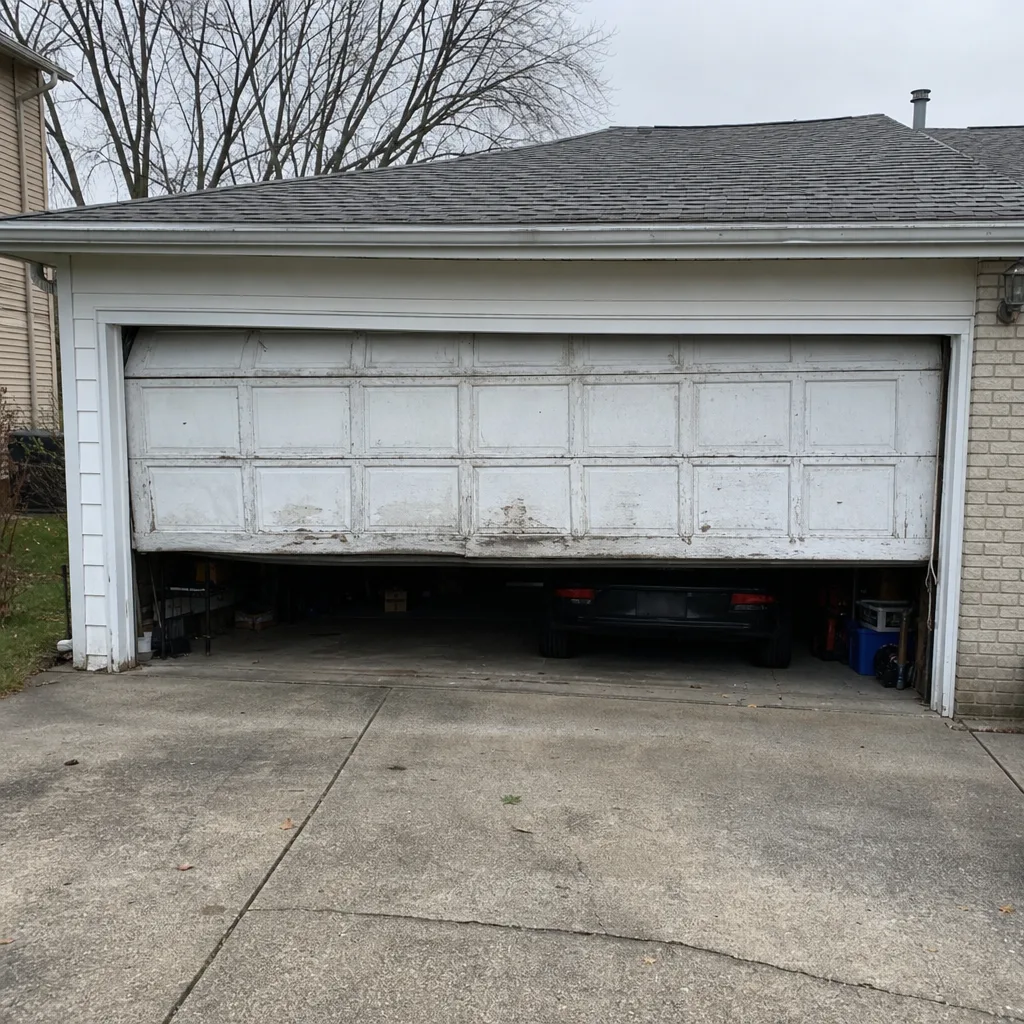 Before
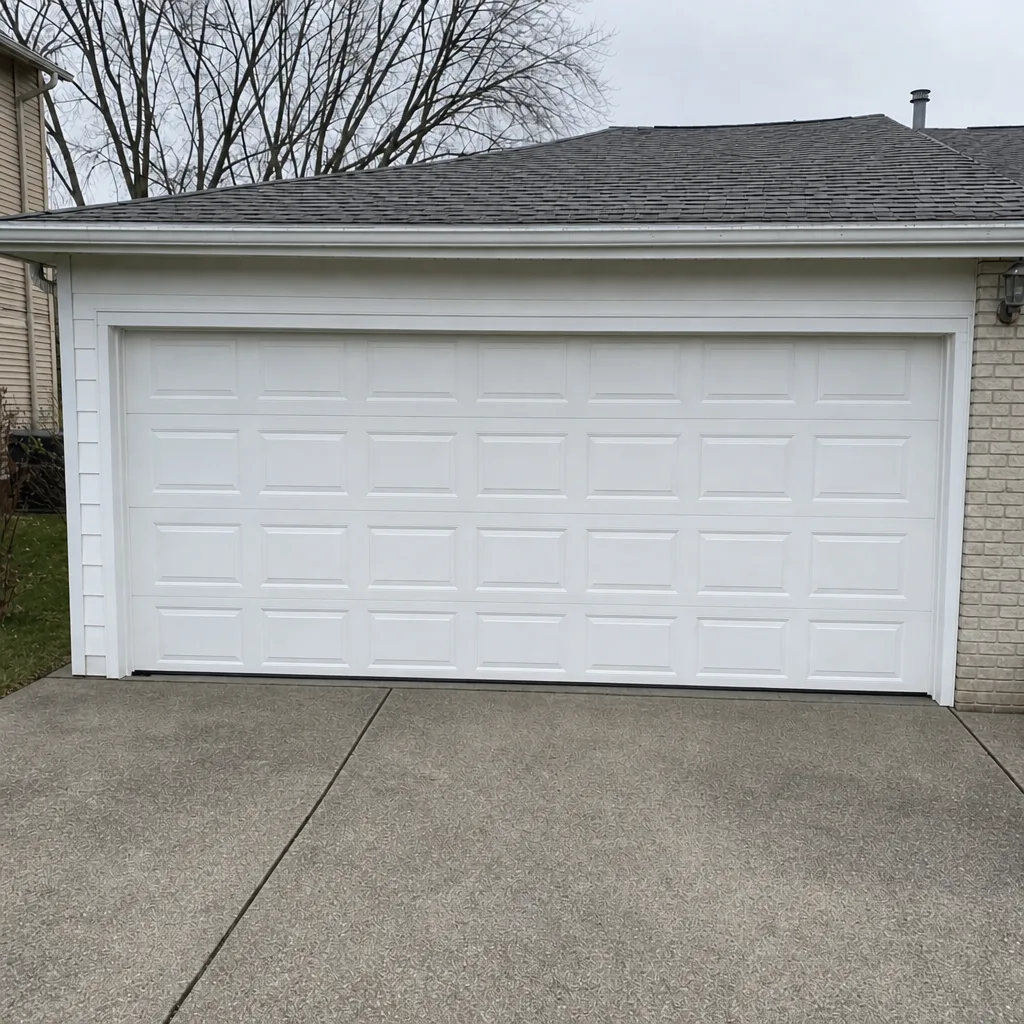 After
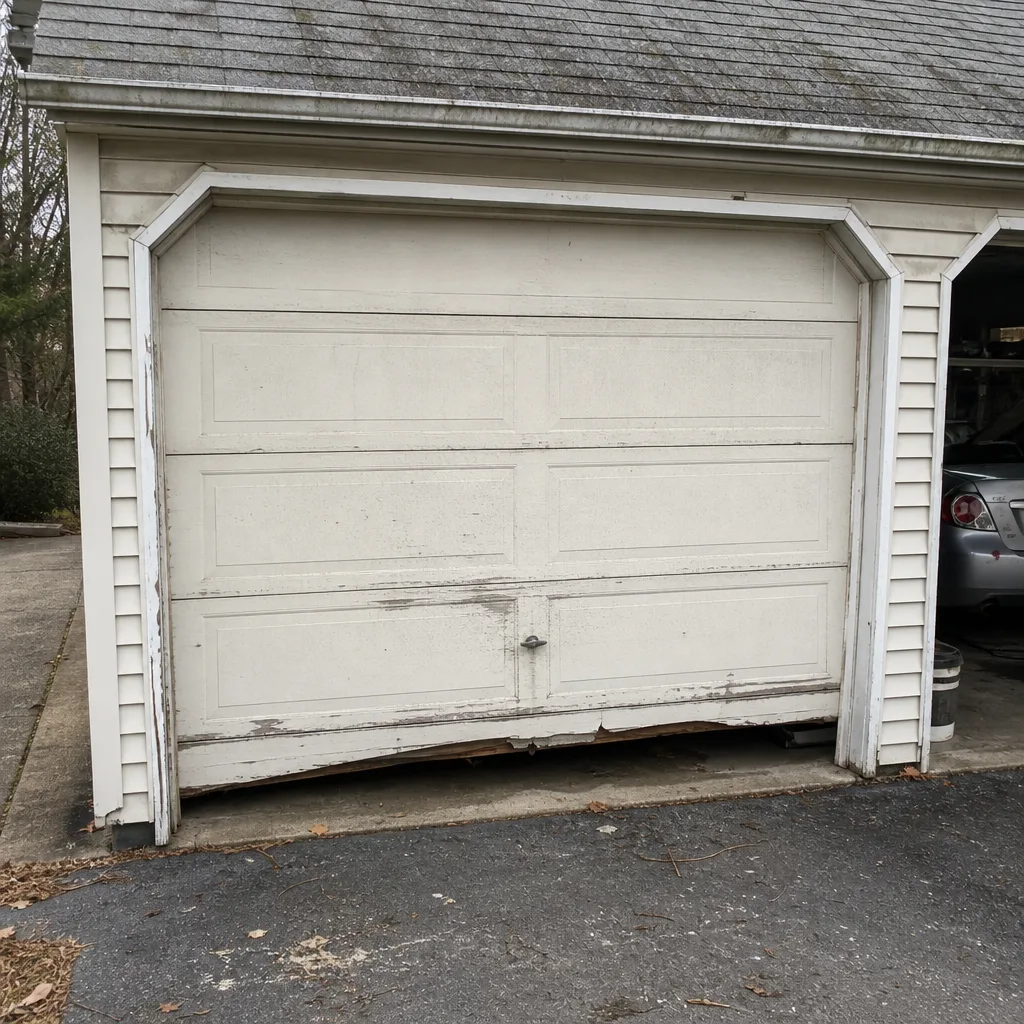 Before
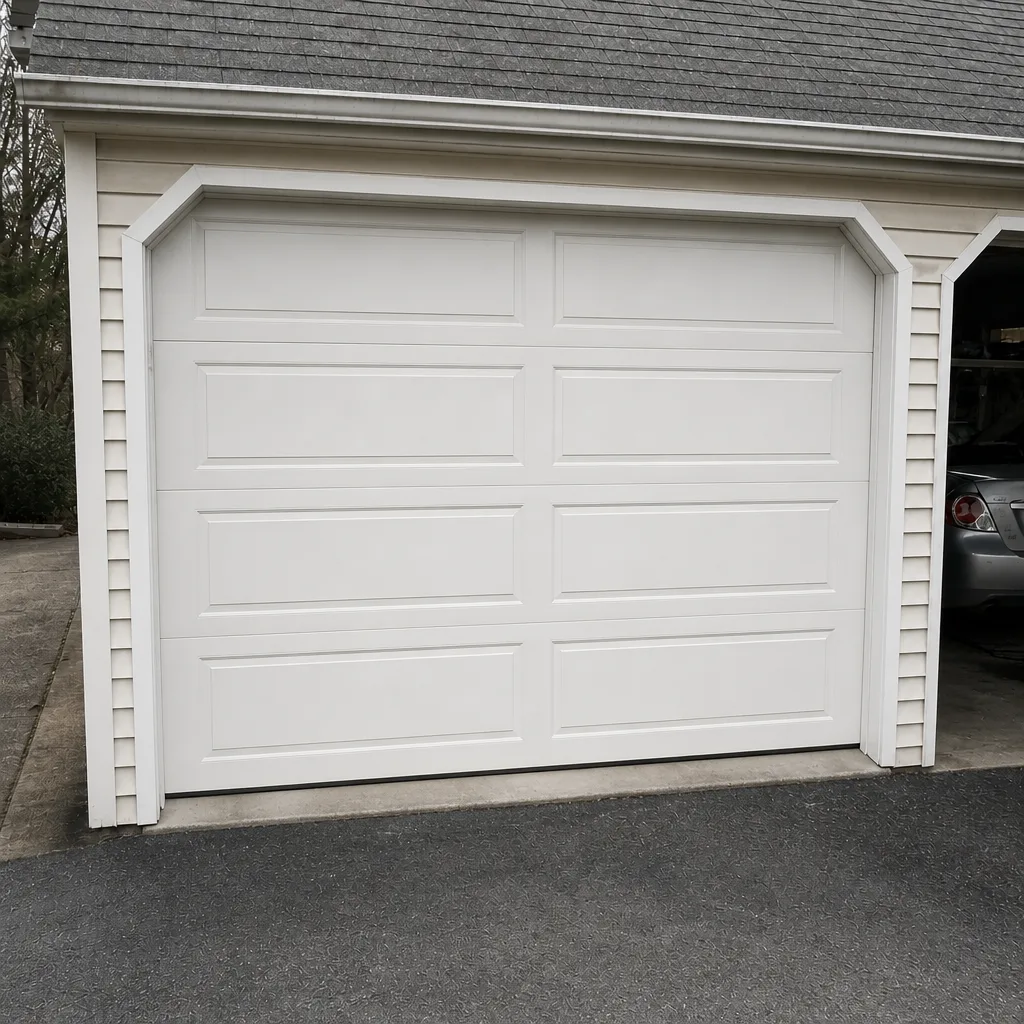 After
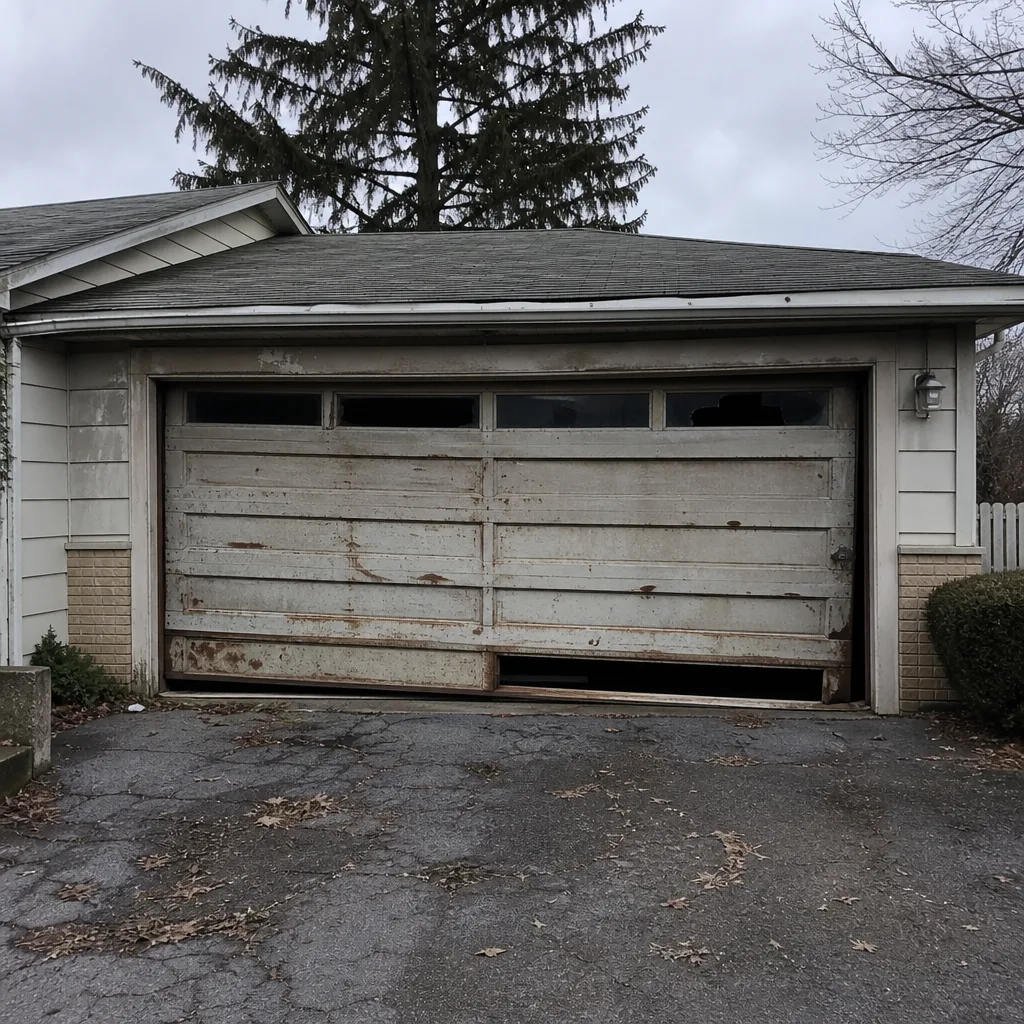 Before
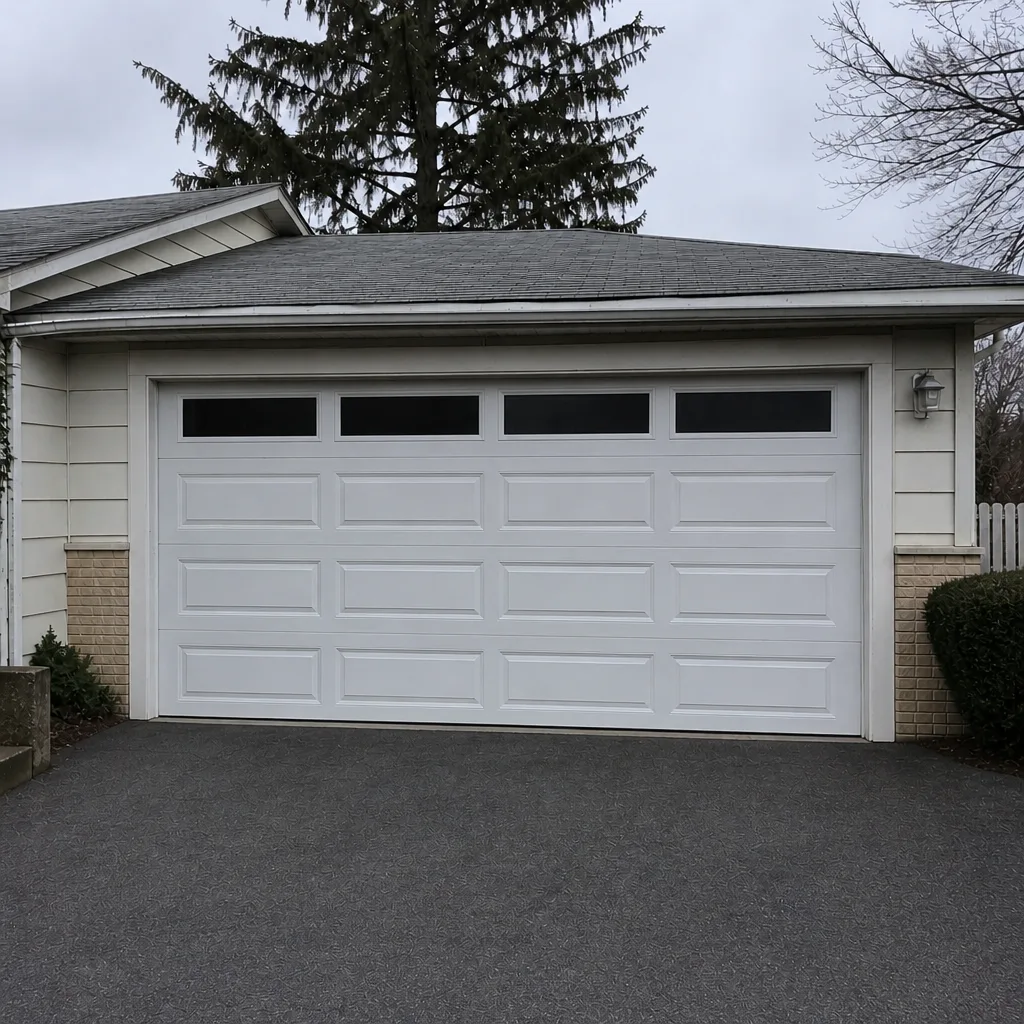 After
When to Call a Professional
Most garage door work that touches a permit, a spring, or an electrical connection needs a trained technician. Specific scenarios: a door that’s off track or jammed, a spring or cable that snapped, an opener that won’t reverse or won’t respond, a replacement job where the opening might need modification, and any job on an attached garage where the fire rating is unclear. Springs and cables are the highest-risk component and should never be handled by a homeowner. Wayne Garage Door Repair Pros offers free estimates in Wayne – call (844) 708-3348. We answer 24/7, and fast dispatch runs from 7am to 7pm, Sunday through Friday. Every price is quoted and agreed before work starts.
Frequently Asked Questions
It depends on the job. A like-for-like replacement with no structural changes, no new operator, and no fire-rating change often doesn’t require one; a job that modifies the opening, adds a motorized operator, or touches a fire-rated assembly on an attached garage usually does. Call Wayne Township’s building department with the door’s specifications before you order. If you’re not sure which side your job sits on, call (844) 708-3348 and we’ll walk through it with you – estimates are free.
It’s a door assembly rated to hold a fire long enough for people to escape, and it’s required on the wall separating an attached garage from living space. If your original door was rated, the replacement should be too. Detached garages usually don’t carry the requirement. If you’re planning a replacement on an attached garage in Wayne, confirm the rating before ordering – call (844) 708-3348 for a free estimate.
Yes, usually. Wayne Township accepts applications for work already completed, followed by an inspection and any corrections the inspector requires. It typically costs more than permitting up front because of the corrections. Pull the job history first, then call us if you need the work brought up to code – (844) 708-3348, free estimates.
It checks that the installed door matches the permit, that structural changes are complete, that the door has proper clearance and balance, that the operator’s safety reverse and photo-eye work, and that any fire-rated separation is intact and labeled. Cosmetic issues are not the focus. If an inspection flags safety or mechanical issues, call (844) 708-3348 – we answer 24/7.
It can delay or complicate one. Unpermitted improvements have to be disclosed, and a buyer’s inspector will often flag the missing documentation. A closed permit is the simplest fix; a retroactive application plus corrections is the fallback. If you’re facing this during a sale, call (844) 708-3348 for a free estimate on bringing the work up to code.
There’s no fixed number – it depends on what the inspector finds and what corrections the door or assembly needs. Permit fees are set by Wayne Township and should be confirmed directly with the construction office. The mechanical corrections (springs, balance, operator safety, labeling) are quoted per job by written estimate before any work starts. Call (844) 708-3348 for a free estimate.
A new motorized operator installation often does, especially if a new circuit or disconnect is involved. A repair to an existing opener on existing wiring usually doesn’t. The distinction matters, so confirm with the building department using the specific opener model – a LiftMaster or Chamberlain unit, for example. Call (844) 708-3348 if you need the mechanical side handled – free estimates.
Because the springs have to match the door. A heavier door on the original springs is not like-for-like and can fail mechanically. It’s also outside Wayne’s like-for-like interpretation even if the opening size is identical. If you’re changing door weight, plan on new springs – call (844) 708-3348 for a free estimate.
The Bottom Line
Wayne’s permit picture for garage doors isn’t complicated, but it is job-specific. Structural changes, new motorized operators, and fire-rated assemblies on attached garages are the three triggers that matter, and like-for-like replacement is the exception that covers most simple swaps. Get it wrong and the problem surfaces at sale, not at installation. Get it right and the whole job is a line item in your home records that never comes up again. Our technicians have up to 11 years of experience across LiftMaster, Chamberlain, Genie, Raynor, Clopay, Amarr, Wayne Dalton, and Craftsman systems, and we can walk you through the mechanical side of any permitted job.
Call (844) 708-3348 for a free estimate. We answer 24/7. Fast dispatch from 7am to 7pm, Sunday through Friday. Every price is quoted and agreed before work starts, and Wayne Garage Door Repair Pros handles repairs, opener work, spring repair, and full new door installation under one company.
Written by the team at Wayne Garage Door Repair Pros.