
Last updated November 21, 2026
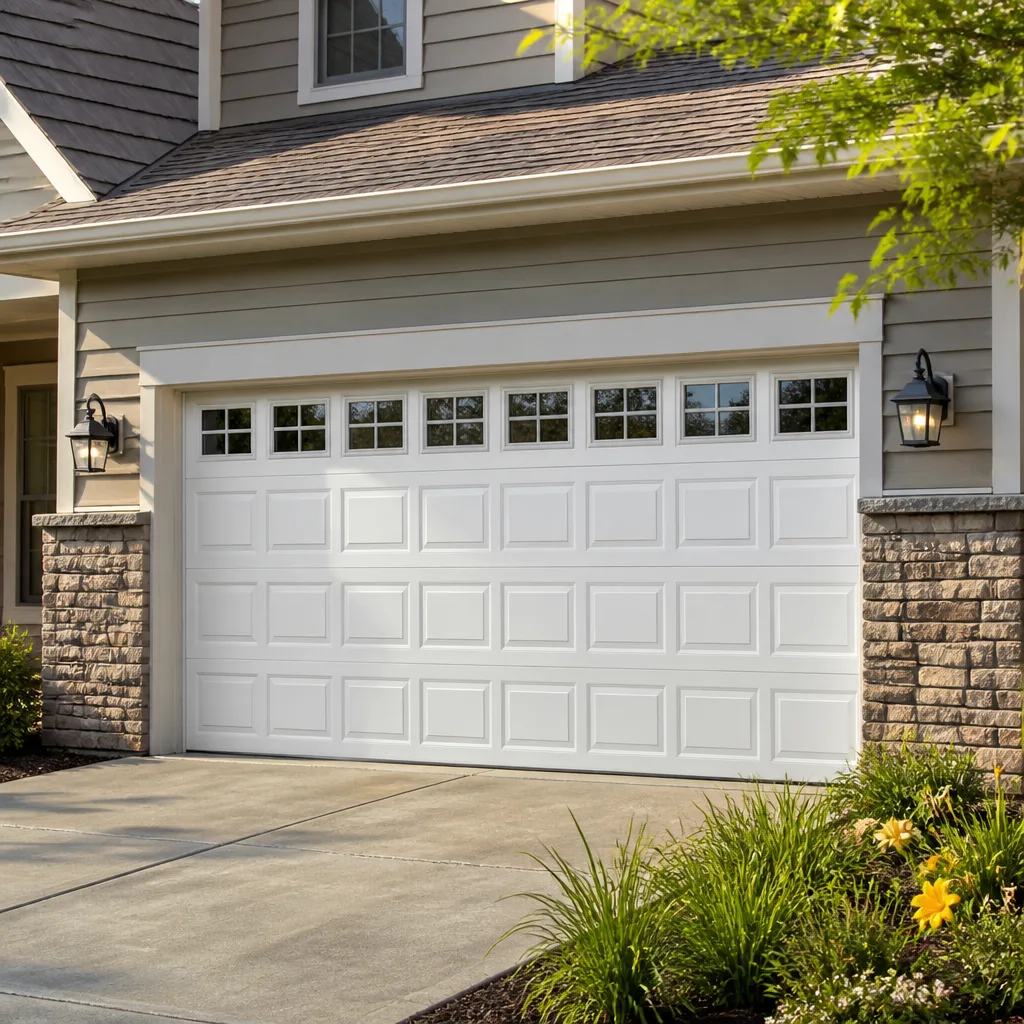 Raised-panel steel
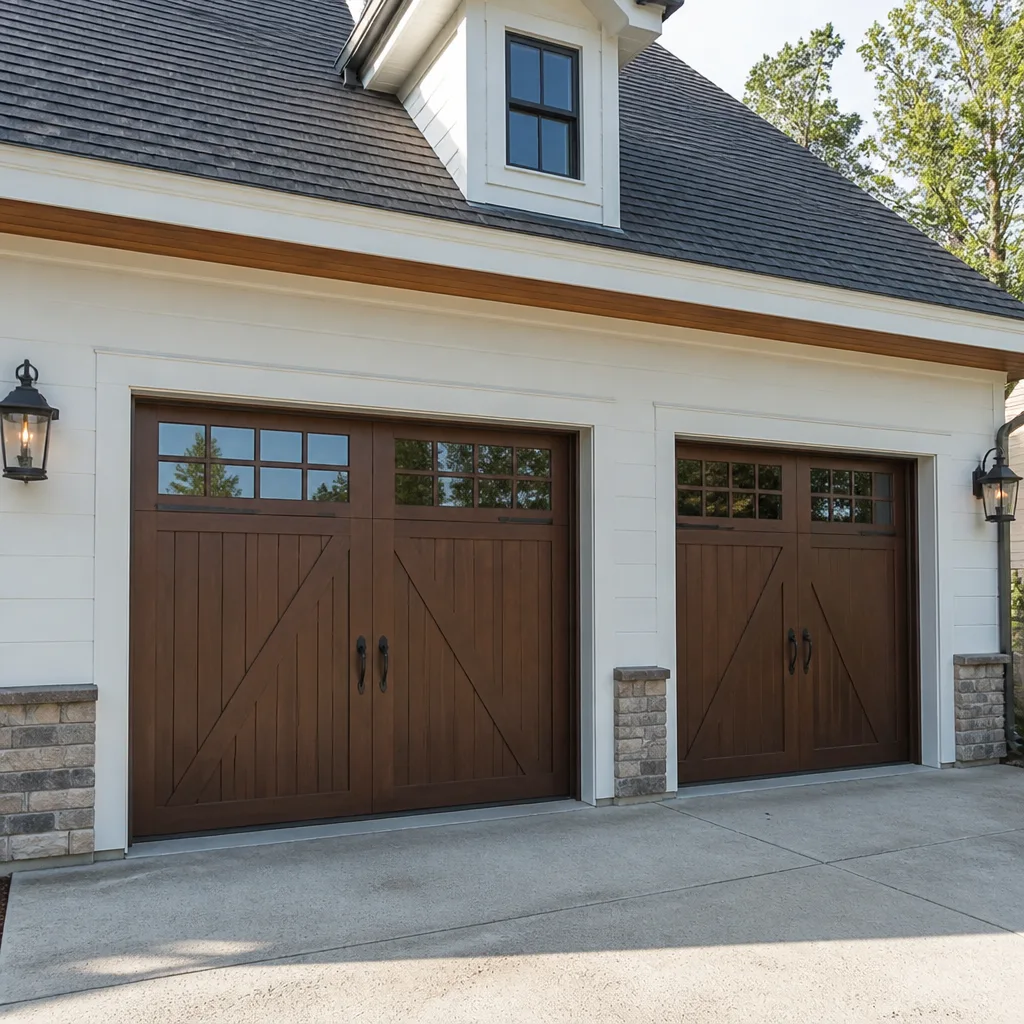 Carriage house
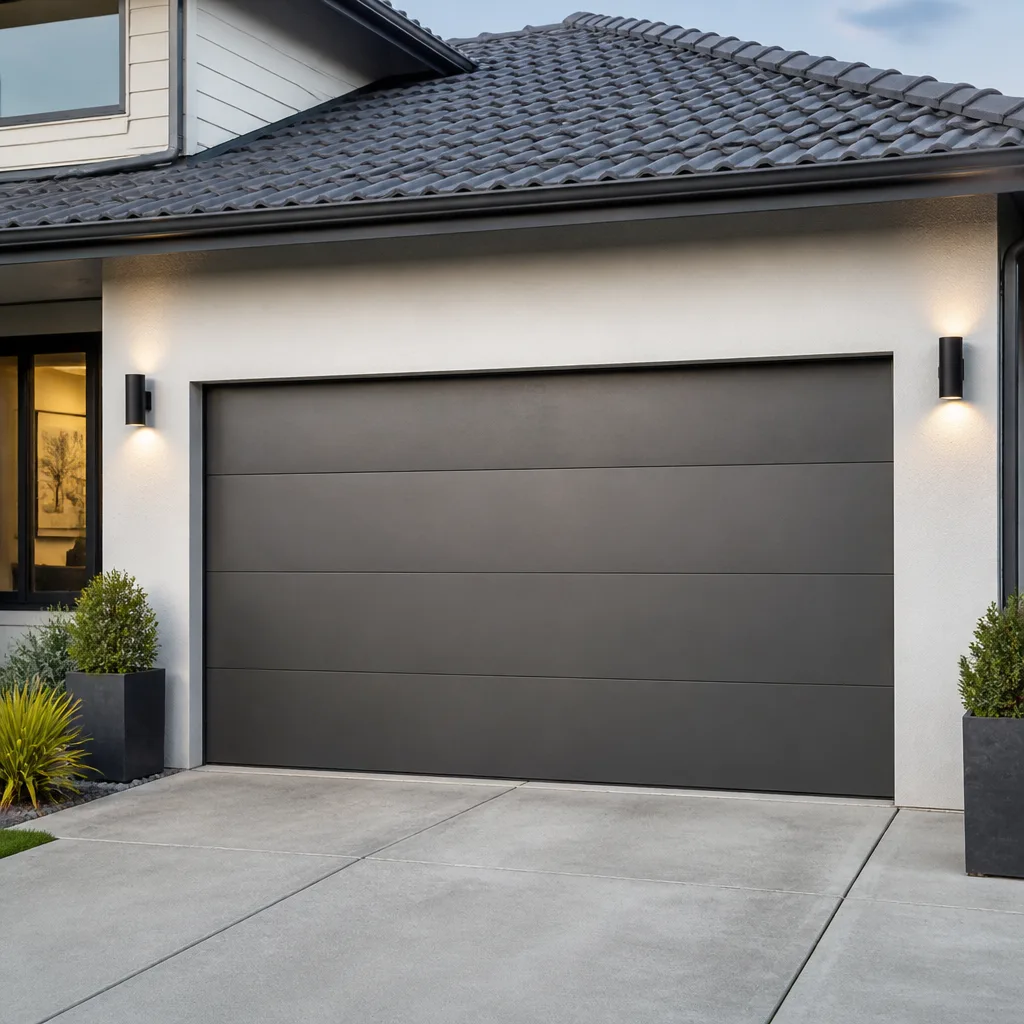 Modern flush
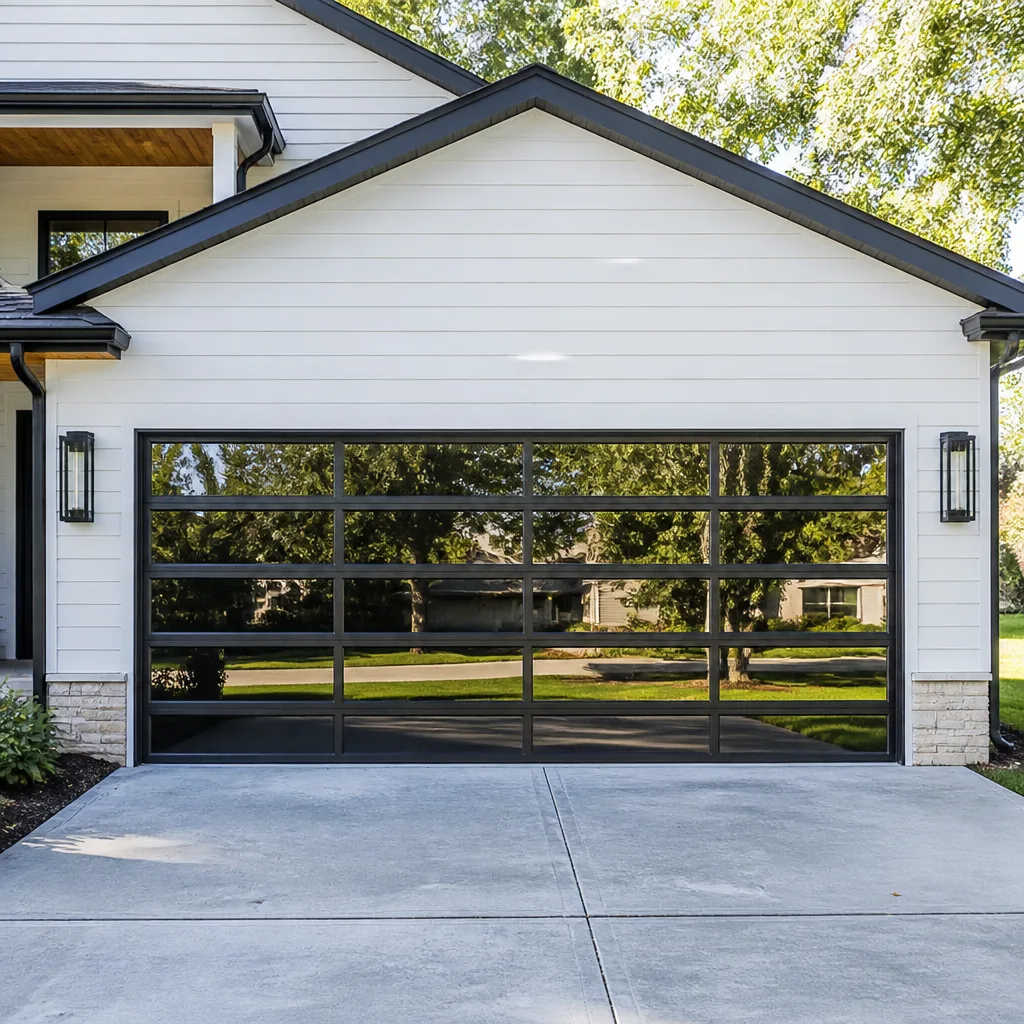 Full-view glass
 LiftMaster openers
 Chamberlain openers
Full 25-point door and opener safety check with every visit - springs, cables, rollers, tracks, and your LiftMaster or Chamberlain opener included
You get a price before we start. It does not change when the pro arrives.
Get your free estimateGarage Door Warning Signs: A Wayne Homeowner’s Reference Guide
A garage door that hesitates for two seconds before opening is not a minor annoyance. It’s frequently the first measurable sign of a torsion spring losing tension, a failure mode that escalates to a snapped spring within weeks of that first hesitation appearing. The problem with most warning-sign advice is that it names the symptom and stops there, leaving you with no way to tell a nuisance from an emergency. This guide connects each visible or audible symptom to the specific component failing behind it, then sorts every one into a real urgency tier, so you can decide whether to call today or put it on next week’s list. We’ll walk through the sounds, the visual checks you can do safely from the floor, and the one warning sign that shows up six to eight weeks before a spring lets go. If you’d rather read with a technician’s ear, this is the reference we wish every Wayne homeowner kept by the workbench.
Quick Answer
The most serious garage door warning signs are a snapped spring (never operate the door), a door hanging unevenly on one side (stop and call), and a door that reverses or won’t close fully (stop and call). Less urgent signs – squealing rollers, a slow-starting opener, a door that hesitates before it lifts – deserve scheduling within a week. Everything else can be watched. The judgment call is which symptom belongs in which tier, and that’s what the rest of this guide explains.
Styles & brands we work with
- Raised-panel steel
- Carriage house
- Modern flush
- Full-view glass
- LiftMaster openers
- Chamberlain openers
Table of Contents
- The Three-Tier Urgency System
- What the Sound Tells You: Grinding, Popping, and Squealing
- Safe Visual Checks You Can Do From the Floor
- Why an Uneven Door Is Usually a Cable Problem
- The One Sign That Appears Six to Eight Weeks Before a Spring Fails
- Opener Symptoms and What They Actually Mean
- How Wayne’s Climate and Freeze-Thaw Cycles Affect Your Door
- Common Mistakes to Avoid
- When to Call a Professional
- Frequently Asked Questions
The Three-Tier Urgency System
Every symptom in this guide falls into one of three tiers, and the tier matters more than the symptom itself. A door that grinds but lifts evenly is a different situation from a door that grinds and drags. Reading the symptom without the tier is how homeowners end up either panicking over a squeaky roller or ignoring a cable about to unwind.
Tier 1 – Stop Using Immediately. These are conditions where operating the door can cause injury or turn a repair into a full replacement:
- A snapped torsion or extension spring
- Frayed, kinked, or slack cables
- A door that is visibly uneven or hanging off one side
- A door that will not stay closed or reverses on its own
- A door with a bent or separating bottom panel that no longer meets the floor
- Any door that has come off its tracks
Tier 2 – Schedule Within 7 Days. These are problems that work fine today but degrade with every cycle:
- A door that hesitates or stutters before opening
- Persistent grinding or popping from above the door
- An opener that strains audibly or runs longer than it used to
- Rollers that squeal loudly through the whole travel
- A remote or wall button that needs repeated presses
Tier 3 – Monitor. Cosmetic or minor issues that don’t threaten function yet:
- Light surface rust on hinges or hardware
- A single squeaky hinge you can pinpoint by sound
- Weatherstripping that’s starting to stiffen or crack
- Faded paint or a small dent that doesn’t affect travel
If you’re unsure which tier a symptom belongs in, err toward the higher one. A free estimate costs nothing; a snapped spring under load can cost significantly more, and the risk of injury during a spring failure is real. A torsion spring carries enough stored energy to cause serious injury if it’s handled without the right tools and training. That’s why we treat every spring call as Tier 1 until we’ve confirmed otherwise.
What the Sound Tells You: Grinding, Popping, and Squealing
Garage doors are a system of moving parts, and each part makes a distinct sound when it starts to fail. Learning to separate the three main sounds gives you a head start on diagnosing which hardware is at fault – before a technician even arrives.
Grinding is the sound of metal scraping metal, usually during travel. It most often points to dry or worn rollers, a torsion tube with a bad bearing, or a bent track pinching the rollers as they pass. If the grinding is continuous and gets louder as the door rises, the rollers are the usual suspect. If it’s localized to a spot, check the track alignment along that section. Grinding falls in Tier 2 in most cases, but grinding that comes with a door that drags or slows down is Tier 1 – stop using it.
Popping is a sharper, more sudden sound. A single loud pop when the door starts to move can mean a torsion spring slipping on its winding, a hinge pulling loose from the panel, or a cable jumping its drum. Popping is almost always a Tier 2 or Tier 1 signal because it points to hardware that’s under load. If you hear a pop and the door stops moving partway up, stop pressing the button and call.
Squealing is the highest-pitched sound and usually the least alarming. Squealing comes from rollers, hinges, and bearings losing lubrication. It’s Tier 3 when it’s occasional and you can pinpoint the source, Tier 2 when it happens through the full travel of the door. Most squealing is resolved with lubrication, but persistent squealing from the torsion tube itself often means a worn bearing that should be replaced rather than greased.
One more sound worth noting: a loud bang from the garage, often followed by the door becoming very heavy or impossible to lift by hand, is the classic signature of a snapped spring. That’s Tier 1, every time. Don’t test the door afterward – call us at (844) 708-3348 and we’ll get a technician out.
Safe Visual Checks You Can Do From the Floor
You don’t need a ladder, and you shouldn’t touch any of the hardware to make these checks. Everything below is visible from standing on the garage floor with the door closed. If any item raises a flag, note what you saw and call for a professional opinion.
- Look at the springs above the door. Torsion springs run horizontally across the top of the door on a metal shaft. Extension springs run alongside the horizontal tracks. Either way, look for a visible gap in the coil, a spring that’s hanging loose, or noticeably different coil spacing on one side versus the other. All three are Tier 1.
- Check the cables. Cables run down each side of the door and wrap around drums at the top. Frayed strands, a kinked cable, or cable that looks slack rather than taut are all stop-using signals.
- Look at the rollers. With the door closed, you can see the rollers sitting in the tracks on each side. Worn rollers often look flat, chipped, or scored. If they’re cracked, note it and schedule a repair within the week.
- Inspect the track visually. Stand at one end and look down the length of the track. It should be straight and parallel to the door edge. Bends, kinks, or a track that’s pulling away from the wall are Tier 2 at minimum.
- Check the bottom seal. A weather seal that’s stiff, cracked, or no longer touching the floor lets in drafts, water, and pests. That’s Tier 3 monitoring, but worth replacing before winter.
- Look at the hinges and hardware. Loose screws, rusted or cracked hinges, and bolts with visible movement are worth noting. A cracked hinge is Tier 2 because it can fail under load.
There are checks you should not attempt: don’t reach up and touch the springs, don’t try to lift the door by hand to test its weight, don’t adjust the cables or drums, and don’t try to straighten a bent track by force. A tensioned torsion spring is the most dangerous component on the entire door, and a cable that slips under load can move with enough force to cause serious injury. These checks are for reading symptoms, not making adjustments.
Why an Uneven Door Is Usually a Cable Problem
A door that sits lower on one side is the single most misdiagnosed symptom we see in Wayne. Homeowners often assume the track is bent or the door has gone out of alignment and reach for a wrench. In most cases the track isn’t the problem at all – the cable on the lower side has stretched, slipped, or jumped its drum, and the drum is no longer lifting that side at the same rate as the other.
The distinction matters for two reasons. First, it changes what the repair actually is. A bent track might be a relatively straightforward adjustment; a stretched or slipped cable means the lift system is compromised and needs to be rebalanced and the cable and drum checked before the door is operated again. Second, it changes the urgency. A slightly misaligned track can wait a few days. A door hanging unevenly on a cable that’s given up tension is firmly Tier 1.
Depending on the door and opener, the fix may also involve the opener’s travel limits. A garage door opener repair call on a LiftMaster or Chamberlain unit sometimes reveals that the opener has been compensating for an uneven door by working harder on one side. When we diagnose an uneven door, we check three things in order: the cables and drums, the spring balance, and the opener’s force settings. Fixing the opener alone on an uneven door is temporary at best.
If you notice unevenness, try one thing only: open the door about a foot by hand (if it lifts easily), stand back, and look at the gap between the bottom of the door and the floor on each side. If one gap is appreciably larger, stop. Don’t try to close it yourself – lower it gently if it will come down freely, and call. If the door won’t move by hand at all, leave it down and call.
The One Sign That Appears Six to Eight Weeks Before a Spring Fails
The sign is a door that hesitates or runs slower than it used to. Not a hard stop, not a loud noise – just a slight delay when you press the button, or a lift that feels a beat sluggish. Homeowners often assume the opener is aging or the door is cold, and they let it ride. In our experience, that hesitation is very often the first measurable sign of a torsion spring losing tension, and a spring that’s lost tension tends to fail within roughly six to eight weeks.
Why does a failing spring show up as hesitation? A torsion spring stores and releases the energy that counterbalances the door’s weight. As it loses tension, the opener has to work harder to lift the door, and the door takes a moment longer to get moving. The garage door opener can compensate for a while, which is exactly why the problem hides. By the time the spring snaps, the door is often much heavier than it was designed to be, and the unexpected weight is part of why a failure is so dangerous.
Here’s what to look for in that window:
- The door takes noticeably longer to start moving than it did a few months ago
- The opener sounds strained for the first second or two of travel
- You can hear a faint rattle or clunk from overhead as the door begins to lift
- The door seems heavier than it used to if you lift it by hand
- The opener’s light flickers or dims when the door starts
None of these are emergencies on their own, but together they point to a spring that needs inspection. A garage door spring repair call now is far cheaper than the same call after the spring snaps, and it’s safer. If your door has any of these signs, schedule a visit within the week rather than waiting for the failure.
Opener Symptoms and What They Actually Mean
The opener is where most homeowners first notice something is wrong, and it’s also the component that gets blamed for problems caused by other parts of the door. Reading the opener’s behavior correctly saves you from replacing a unit that only needed a targeted fix.
Here are the common opener symptoms and what each usually points to:
- Remote works intermittently. Usually a battery, a worn remote, or interference from a nearby device. Rarely the opener itself.
- Wall button works but remote doesn’t. Remote batteries, the remote’s programming, or the receiver. LiftMaster and Chamberlain systems both have self-diagnostic features that can point to the specific issue.
- Door reverses immediately after closing. Often the safety sensors, but it can also mean the door is meeting resistance from the spring, rollers, or track. This is a stop-and-call symptom until the cause is clear.
- Door opens partway and stops. Travel limit settings, force settings, or a failing logic board. On a Genie unit, this often shows up as a repeating LED code on the motor head.
- Opener runs but the door doesn’t move. A broken chain or belt, a stripped gear, or a disengaged trolley. That’s a repair, not a replacement.
- Opener hums but doesn’t lift. The motor is running but the drive isn’t engaging. Could be a capacitor, gear, or a bad logic board.
We work on LiftMaster, Chamberlain, Genie, and Raynor openers regularly, and in our experience the majority of “the opener is dead” calls turn out to be repairs. A proper diagnosis means testing the opener against the door’s actual balance, checking the safety sensors, and reading any diagnostic codes before recommending a new unit. If you’ve got a smart opener and it’s misbehaving, we can work on that just as readily as a legacy unit.
How Wayne’s Climate and Freeze-Thaw Cycles Affect Your Door
Wayne’s winters are the toughest test a residential garage door faces locally. The freeze-thaw cycle – snow melting during the day and refreezing at night – is the single biggest driver of garage door stress in town, and it produces a specific pattern of problems that show up in the colder months.
What that means in practice:
- Bottom seals freeze to the floor. When the door lifts, it can tear the seal, put strain on the opener, and sometimes pop a roller out of its track. If your door breaks free with a lurch on cold mornings, inspect the seal from the floor.
- Metal contracts in the cold. Tracks, hinges, and rollers are all slightly smaller in winter, which can produce squealing or grinding that doesn’t occur in warmer months. Often resolved with lubrication, but worth checking for a worn roller.
- Spring tension changes with temperature. A spring that’s already weak may not lift the door reliably in cold weather, which is why hesitation is more noticeable in January than July. If a spring has been marginal all year, cold weather pushes it over the edge.
- Snow and ice load on the door panels. Snow sliding off the roof onto the door puts weight on the panels and can bend a bottom section. Clearing snow off the door itself is safe from the ground; don’t climb on anything to do it.
- Salt and road grime on the door hardware. Wayne’s salted roads and slushy driveways leave residue on the bottom of the door and on the track. Wipe down the bottom panel and hinge areas occasionally to slow corrosion.
Spring is the natural time to book a checkup, especially if the door has been through a winter without any maintenance. Warmer weather is the right window for spring inspection, roller replacement, and any weatherstripping that needs to be refreshed before the next cold season.
Common Mistakes to Avoid
- Forcing a door that won’t open. If the door is stuck, the opener will keep pushing and straining, and on a failed spring it can snap a cable or damage the opener. Stop and call – the operator doesn’t know the door isn’t moving.
- Attempting a DIY spring replacement. Torsion springs carry enough stored energy to cause serious injury if handled without the correct winding bars and training. This is the one repair we strongly recommend leaving to a trained technician in Wayne.
- Replacing the opener when the door is the problem. A door that’s out of balance, has a worn spring, or has drag in the rollers will burn out even a brand-new opener. Diagnose the whole door before replacing the unit.
- Oiling instead of repairing. Lubrication helps squeaky rollers and hinges, but it won’t fix a worn bearing, a stretched cable, or a torsion spring that’s lost tension. Grease on a failing part can mask the symptom and delay a needed repair.
- Ignoring a slight delay before the door lifts. That pause is often the earliest sign of a spring losing tension. Waiting for the snap turns a scheduled repair into an emergency call.
- Clearing snow off the door with a shovel. Shovels scratch the panels, jam rollers, and can damage the weather seal. A broom or brush is the safer tool from the ground.
- Skipping a professional checkup before winter. A short inspection in the fall catches a marginal spring, worn rollers, and a stiff seal before the cold pushes them over the edge – much less stressful than a call in February.
Our technicians have up to 11 years of experience working with the full range of residential door and opener systems. If you’re not sure whether a symptom is worth a call, a free estimate settles it quickly – and if it’s something small, we’ll tell you that too.
When to Call a Professional
Call today, not next week, if you notice any Tier 1 symptom: a snapped spring, a door hanging unevenly, a frayed or slack cable, a door that won’t stay closed or reverses on its own, or a door that’s come off its tracks. Don’t try to operate it, and don’t ask a family member to help lift it – a door in this state is heavy, unstable, and dangerous. If you hear a pop followed by the door becoming very heavy, that’s also a call. We treat spring and cable problems as high-priority calls because the risk of injury goes up with every cycle the door makes.
We also get plenty of Tier 2 calls that are scheduled within the week to keep things on track: a door that hesitates, a grinding or popping sound, or an opener that’s working harder than it should. Catching these early is what prevents a full replacement. Wayne Garage Door Repair Pros offers free estimates in Wayne; call (844) 708-3348. We answer 24/7. Fast dispatch from 7am to 7pm, Sunday through Friday.
Frequently Asked Questions
A snapped spring, a frayed or slack cable, and an uneven door are the three most serious warning signs. Any of them means stop using the door and call a professional immediately. A door that reverses on its own or won’t stay closed is equally urgent because it affects the safety of anyone underneath or around it. If you’re looking at any of these, call (844) 708-3348 for an exact quote – estimates are free.
It depends on how long the hesitation has been there and whether it’s getting worse. A door that’s been hesitating for weeks is often showing the early stage of a torsion spring losing tension, which is worth inspecting within the week. If the hesitation started suddenly or the door feels heavy, treat it as a stop-and-call. A technician can confirm whether the spring is the cause with a quick in-person check.
No – we provide free estimates, and the price of any work is set per job by a written estimate. That estimate is quoted and agreed before any work begins, so you’ll know the cost upfront. There are no surprise charges after the fact.
We strongly advise against it. Torsion springs store a large amount of energy under tension, and a spring that’s released without the correct tools and training can cause serious injury. There’s also a real risk of damaging the door’s cables, drums, or opener if the spring isn’t wound correctly. Spring repair is a professional job, and in Wayne we handle it as a core specialty rather than sending it out.
Once a year is the general recommendation, ideally in the fall before winter freeze-thaw cycles start. If your door gets heavy use or you notice a symptom, schedule sooner. A yearly checkup catches worn rollers, a tired spring, and weatherstripping that needs to be replaced before the cold weather tests it.
Not before checking the door itself. A heavy door is almost always a spring, cable, or balance problem, not an opener problem. Replacing the opener without fixing the door will burn out the new unit too. We diagnose the whole system – door, springs, and opener – before recommending any replacement.
We service the major residential brands including LiftMaster, Chamberlain, Genie, Clopay, Amarr, Wayne Dalton, Craftsman, and Raynor. We’re not a single-brand shop, so whatever door or opener is on your home, we can work on it. For a specific brand, call and we’ll confirm on the spot.
The Bottom Line
Garage door warning signs are only useful if you can sort them by how quickly they need attention. The three-tier system in this guide is the simplest way to do that: anything spring, cable, or alignment-related is a stop-using symptom and worth a call today. Anything hesitating, grinding, or popping is a schedule-within-the-week issue. The one sign worth memorizing is a delayed start – if the door is taking longer to lift than it used to, it’s often a spring in the early stage of failure. Catching it now is cheaper and safer than dealing with the break. For a garage door repair estimate, or to talk through a symptom with a technician, call (844) 708-3348.
Wayne Garage Door Repair Pros provides repair, opener service, spring repair, and new door installation across Wayne and the surrounding area. If we’re the closest to your home, we’re glad to help. To learn more about the company and the brands we service, start at Wayne Garage Door Repair Pros.
Written by the team at Wayne Garage Door Repair Pros.
See the difference
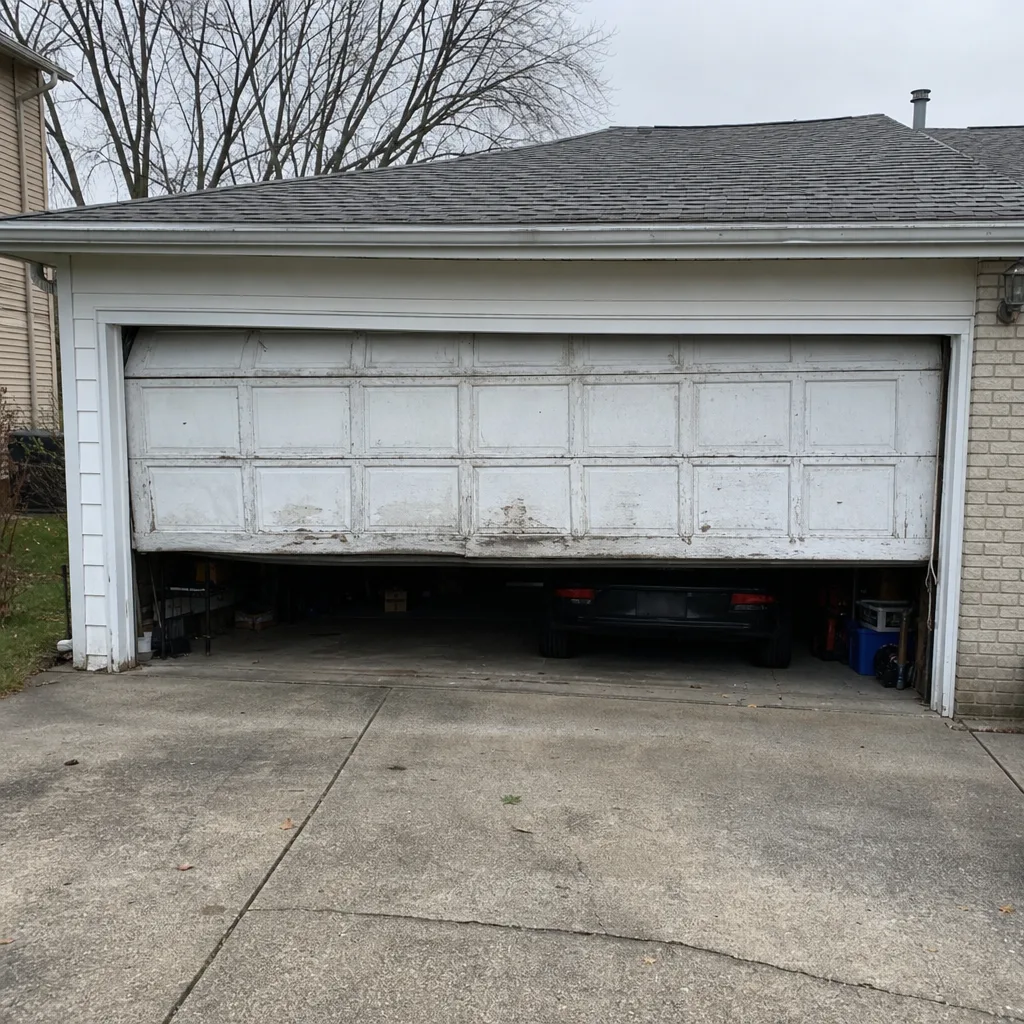 Before
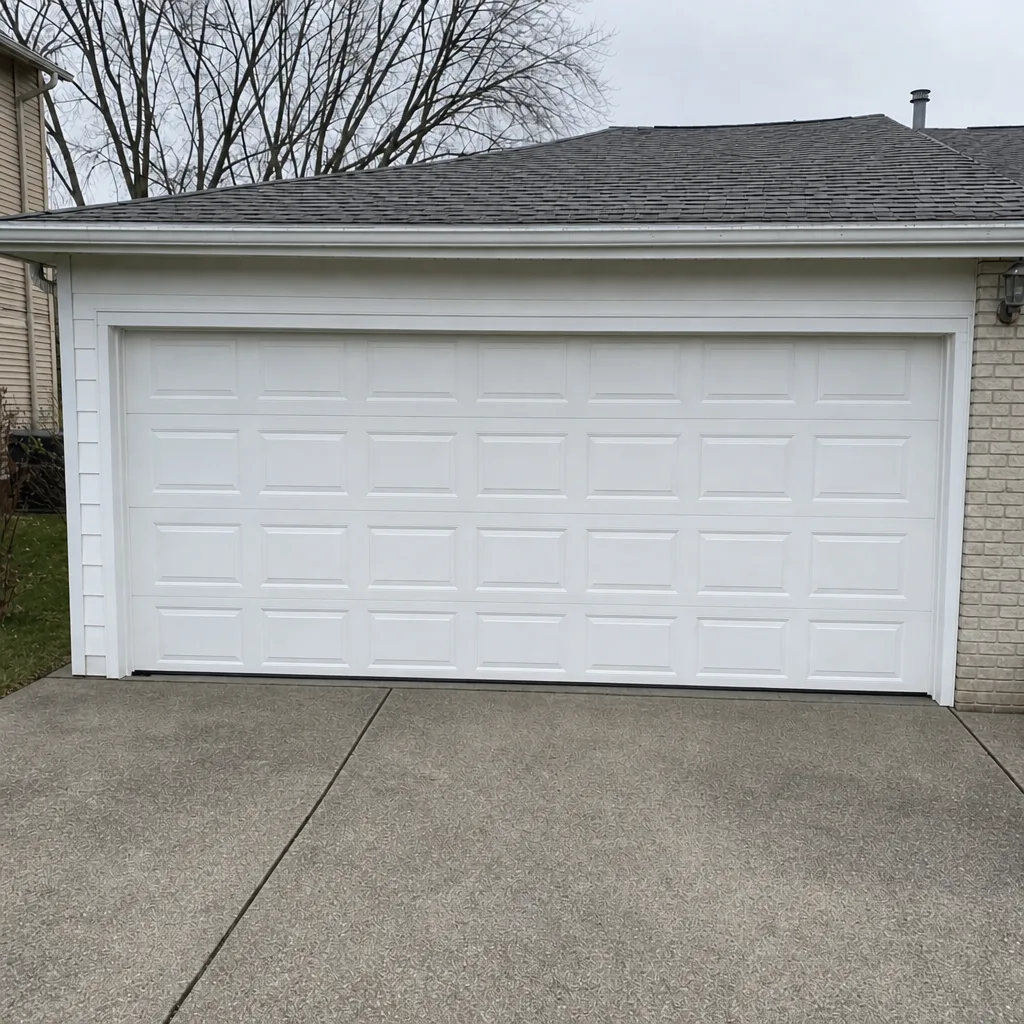 After
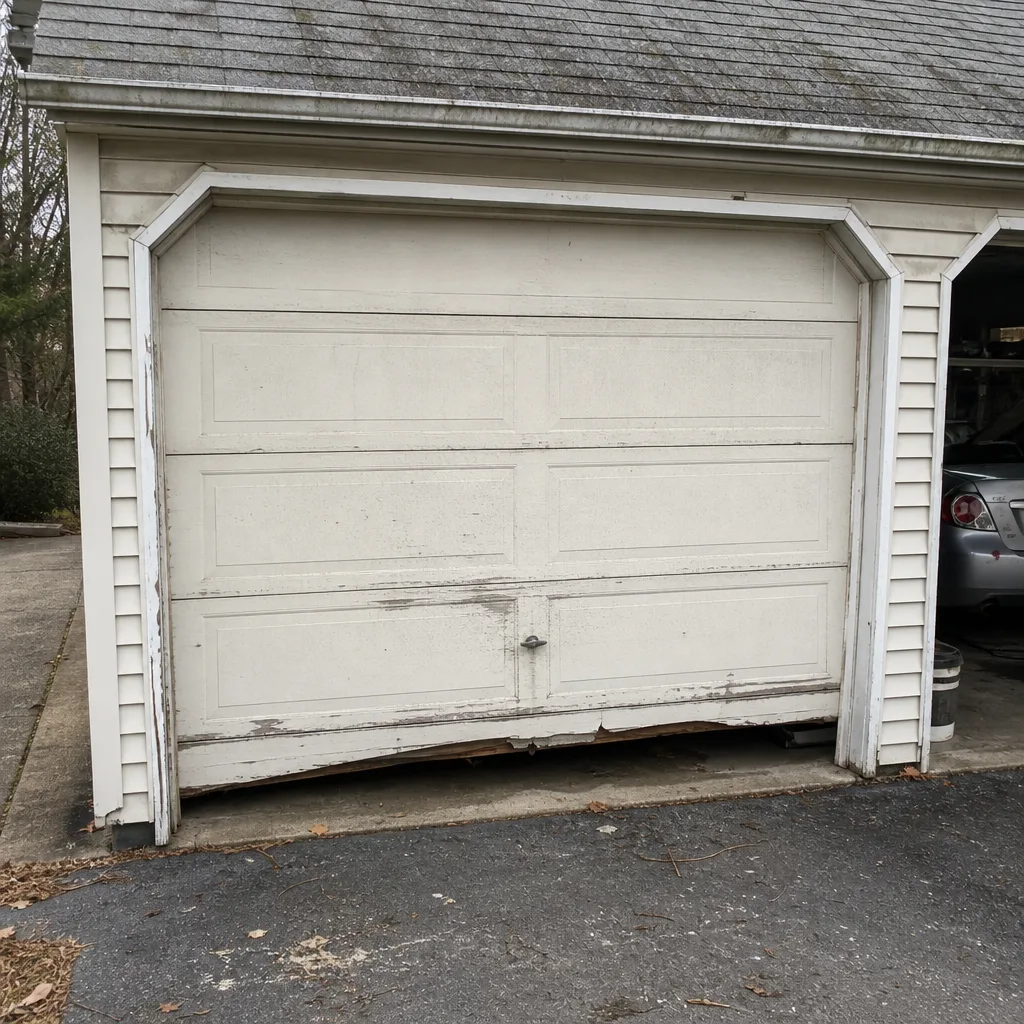 Before
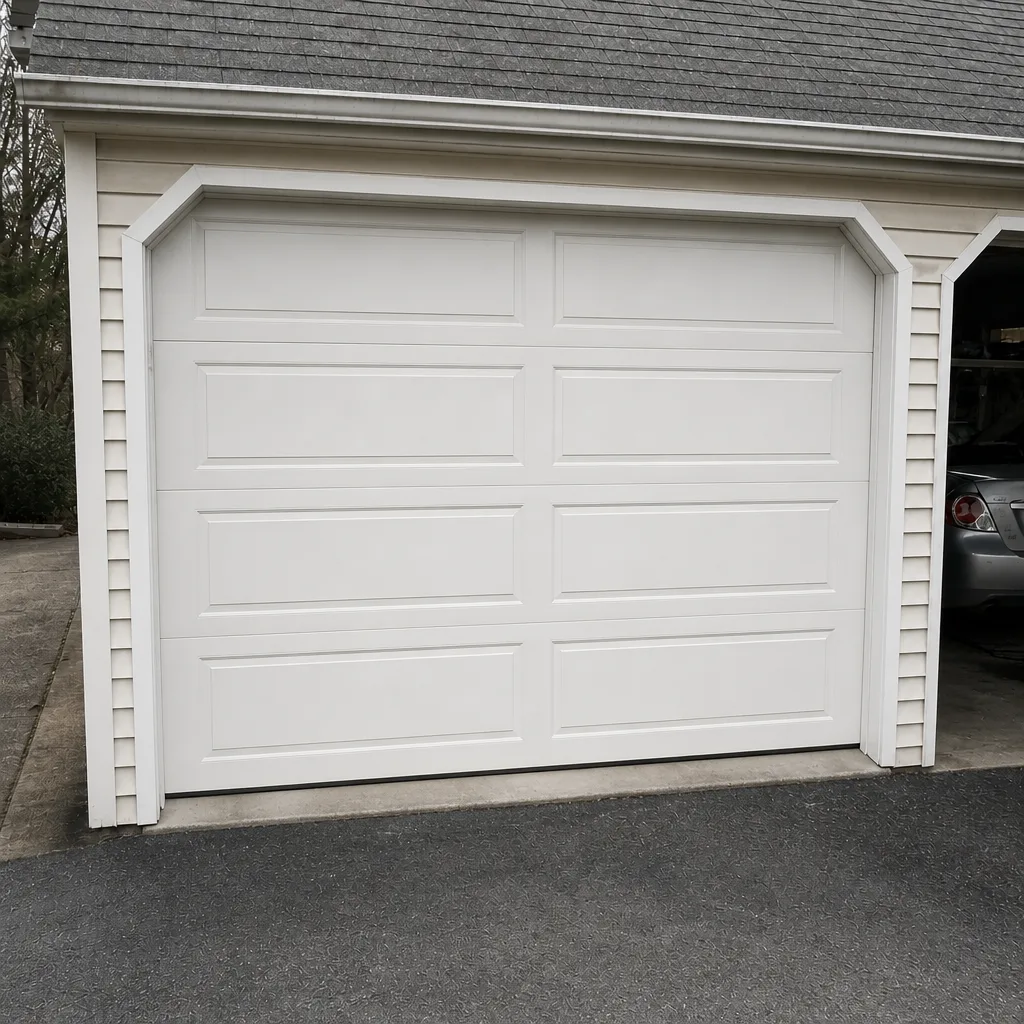 After
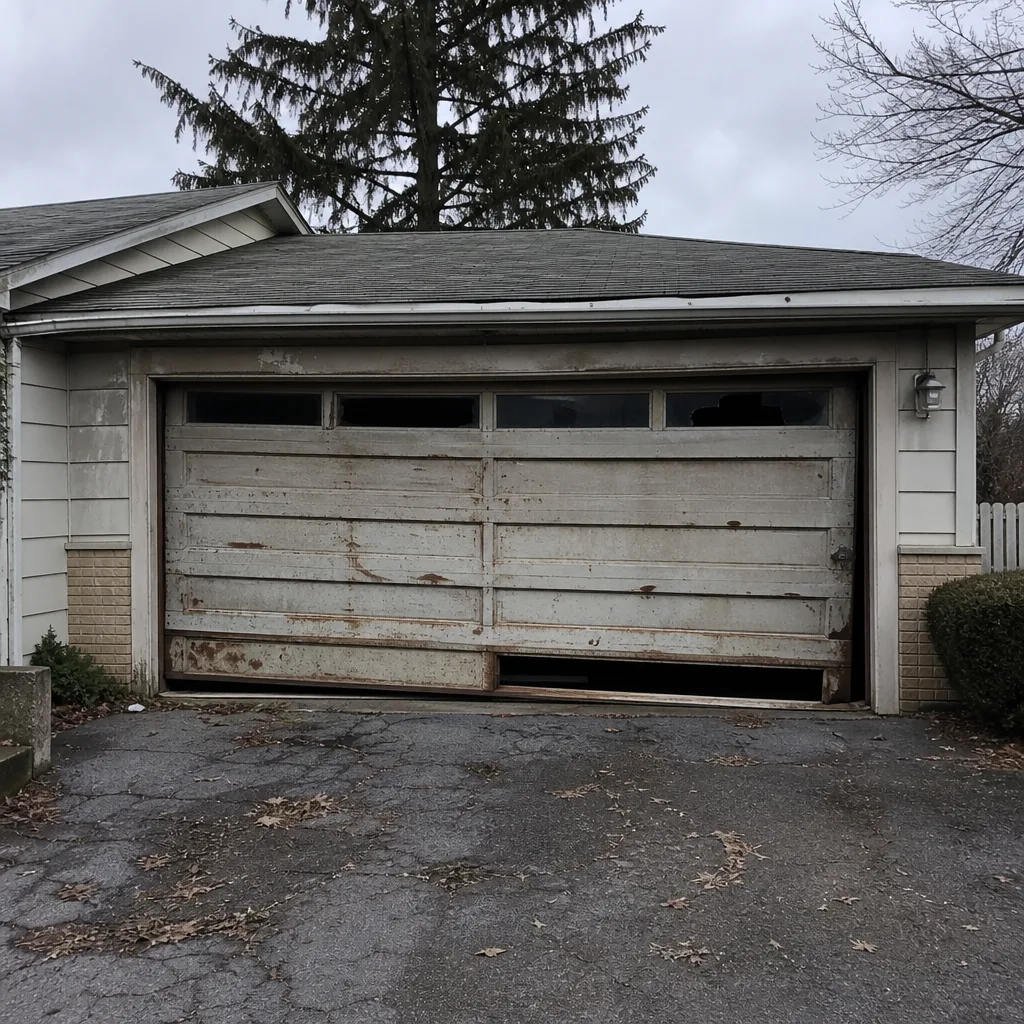 Before
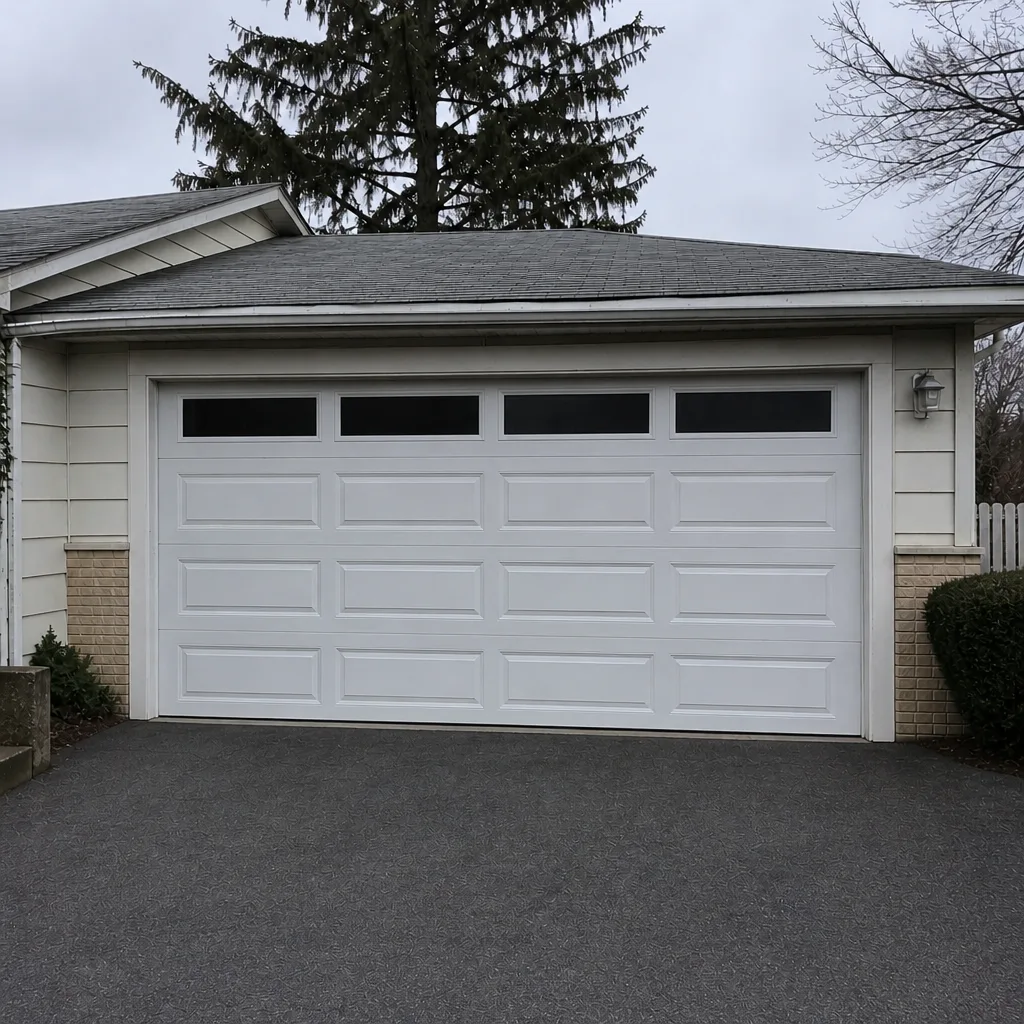 After