
Last updated November 21, 2026
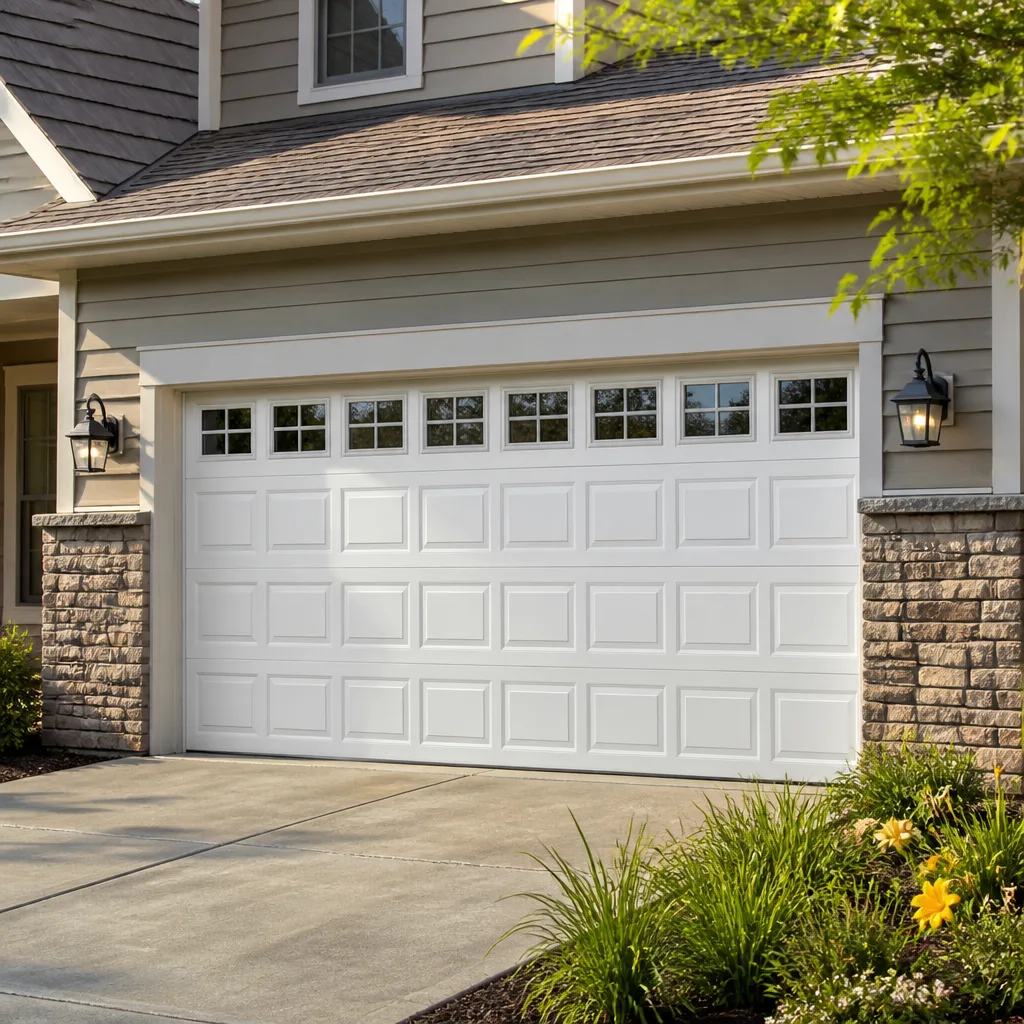 Raised-panel steel
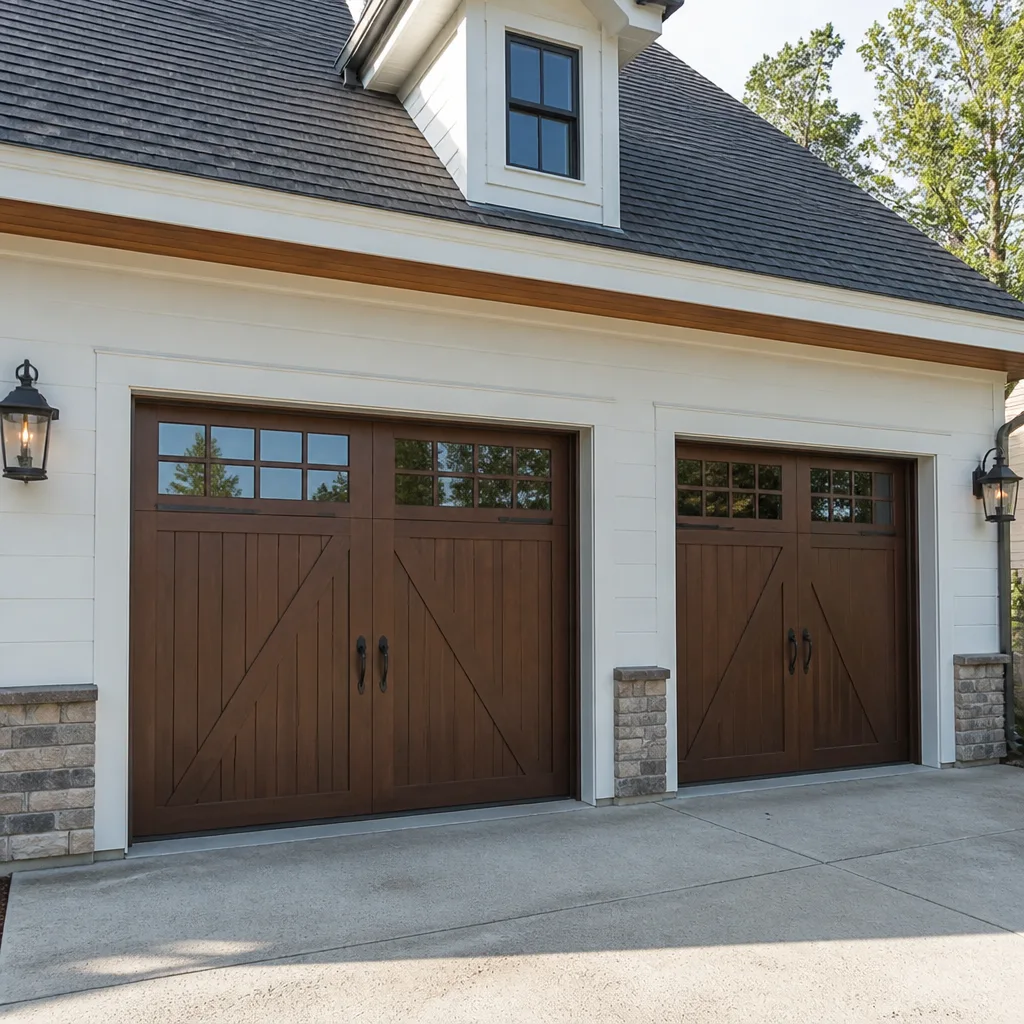 Carriage house
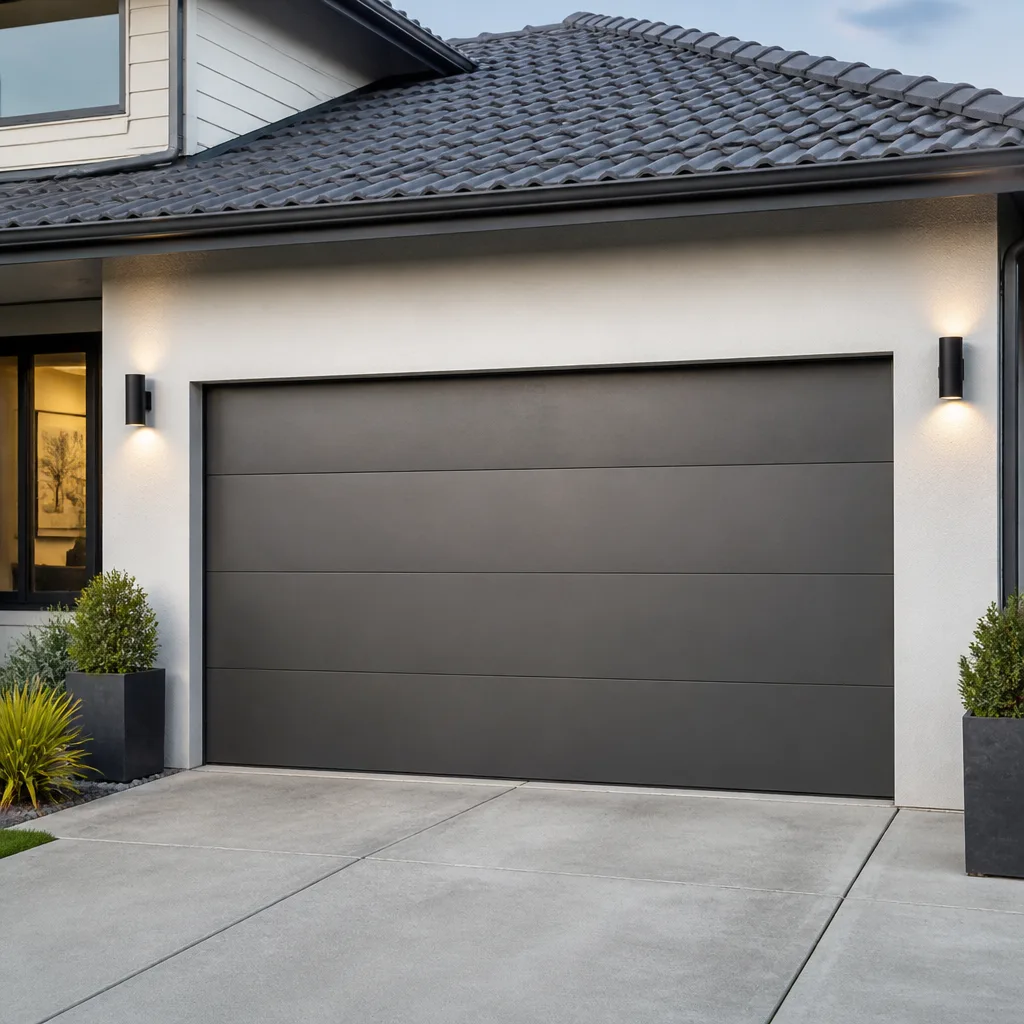 Modern flush
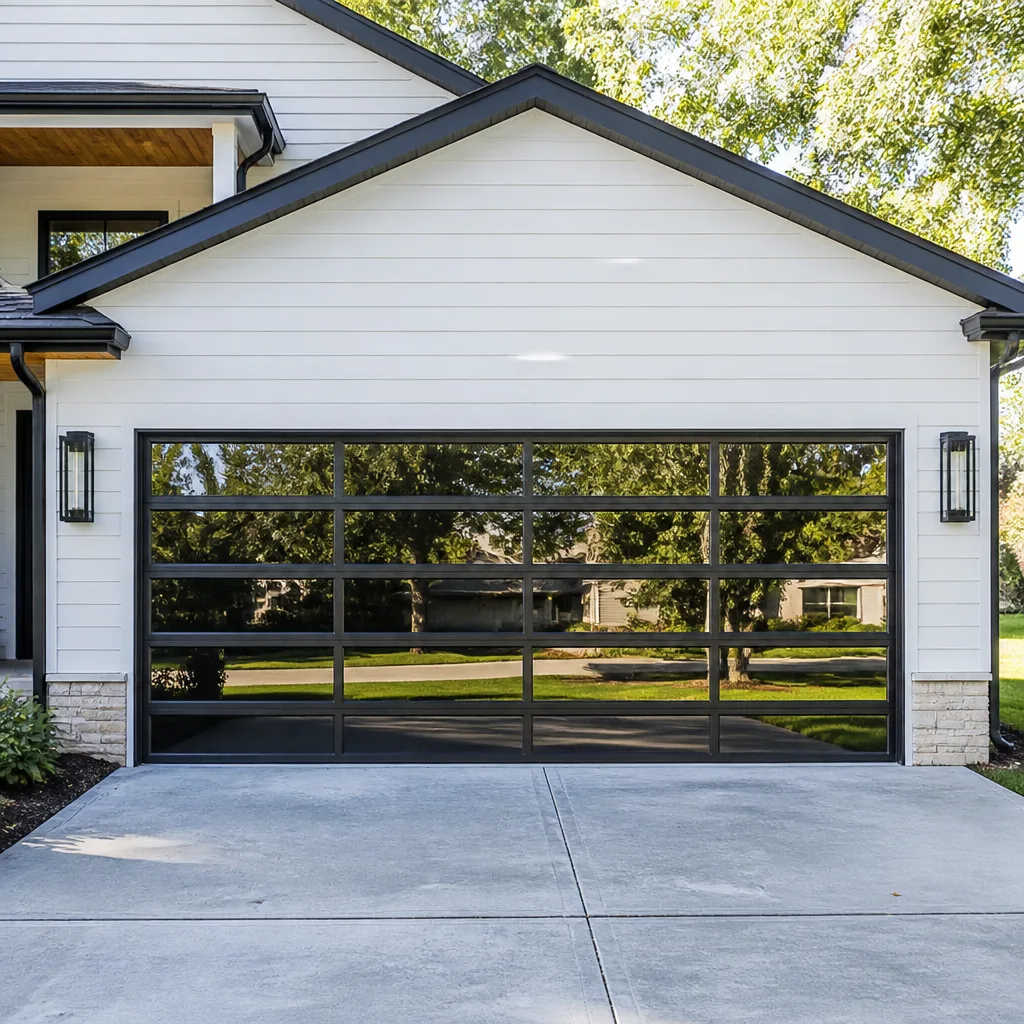 Full-view glass
 LiftMaster openers
 Chamberlain openers
Full 25-point door and opener safety check with every visit - springs, cables, rollers, tracks, and your LiftMaster or Chamberlain opener included
You get a price before we start. It does not change when the pro arrives.
Get your free estimateSeasonal Garage Door Care for Wayne: Year-Round Homeowner’s Guide
Most homeowners treat garage door maintenance as a spring cleaning item, a quick wipe-down and a squirt of lubricant when the weather turns nice. That’s backwards. In Wayne, the failures that pile up in January are almost always set in motion back in October. Grease that was fine at 65 degrees thickens into paste when the temperature drops into the teens. Torsion springs that logged thousands of cycles over the summer sit closer to their fatigue limit by the time the first hard freeze arrives. Bottom seals that dried and cracked through a hot September let meltwater into the frame in February. This guide walks through what each season actually does to your door’s mechanical system, in the order it happens, so you can get ahead of the failure instead of paying for it later. What follows is prevention, not a calendar of chores.
Quick Answer
Seasonal garage door care in Wayne means matching maintenance to the real failure each season triggers: in fall, lubricate and assess spring cycles and replace a failing bottom seal before the ground freezes; in winter, watch for freeze-thaw damage to seals and track misalignment from concrete heave; in spring, inspect cables and drums as thermal cycling peaks; in summer, address humidity and heat effects on wood panels and opener motors. One annual task most homeowners skip, checking the cable drum set screws, prevents the most common mid-cycle cable failures.
Styles & brands we work with
- Raised-panel steel
- Carriage house
- Modern flush
- Full-view glass
- LiftMaster openers
- Chamberlain openers
Table of Contents
- Why Seasonal Care Matters More in Wayne Than the Tasks Suggest
- Fall: The Season That Prevents Winter Failures
- Winter: Freeze-Thaw, Seals, and Concrete Heave
- Spring: The Torsion Spring and Cable Tension Window
- Summer: Humidity, Wood Panels, and Opener Heat
- The One Annual Task Most Homeowners Skip
- Your Wayne Garage Door Inspection Calendar
- Common Mistakes to Avoid
Why Seasonal Care Matters More in Wayne Than the Tasks Suggest
A garage door is a balance of forces held under constant tension: springs counterbalance the door’s weight, cables transfer that force to the drums, and the tracks guide it all in a straight line. Every one of those components is sensitive to temperature, moisture, and the ground underneath your home. Wayne sits in a climate with genuine four-season swings, hot humid summers and cold winters with repeated freeze-thaw cycles, and that swing is what makes seasonal care worthwhile here rather than a generic checklist copied from a milder region.
Here’s the part that trips people up. The component that fails in one season is usually the one that was stressed the season before. Cold doesn’t crack a seal by itself; it cracks a seal that already dried out in the summer heat. A spring doesn’t snap because winter is cold; it snaps because it was already near the end of its cycle life after a long summer of daily use and nobody measured it. That lag between cause and symptom is the whole reason this guide is organized by failure mode rather than by “tasks to do when it’s nice out.”
Wayne’s housing stock reinforces the point. Plenty of homes here run older sectional doors with original hardware, and older openers, including many LiftMaster and Chamberlain units, that have quietly logged a decade of cycles. Age isn’t the problem by itself. Age plus skipped seasonal checks is.
If your door is already showing symptoms, grinding, sagging, or refusing to stay balanced halfway up, that’s not a maintenance question anymore. Our garage door repair service is built for exactly that kind of diagnostic work.
What This Guide Covers
Each section below answers the same question for a different season: what is actually stressing your door right now, and what can you check or do to stop it from becoming a repair? We’ve walked Wayne homeowners through these transitions long enough to know the pattern. Our technicians have up to 11 years of experience, and the failures we’re called out for most often in Wayne follow the calendar closely.
Fall: The Season That Prevents Winter Failures
Fall is the most important maintenance window of the year in Wayne, and it has nothing to do with aesthetics. The work you do in October determines whether your door survives January. Three tasks matter more than the rest: lubricating the moving parts before the cold thickens the grease, assessing your springs for cycle fatigue, and replacing a failing bottom seal before the ground freezes solid.
1. Lubricate Before the Cold, Not After
Garage door lubricant behaves differently at different temperatures. A product that spreads smoothly at 70 degrees can turn tacky and stiff when the mercury drops, which increases friction on the rollers, hinges, and bearings and puts more load on the opener motor. Lubricating in fall, before the first hard freeze, means the moving parts are properly coated going into the cold season. Use a lubricant made for garage door hardware, not general-purpose oil, and apply it to the hinges, rollers, and the torsion spring coils. Wipe off excess rather than letting it collect grit.
2. Assess Spring Cycle Fatigue
Torsion springs are rated by cycles, meaning one open-and-close cycle counts as one unit of wear. A door used four times a day burns through roughly 1,460 cycles a year. By fall, your springs have just absorbed a full summer of that use, and the cold ahead will make the metal more brittle. You can’t reset a spring’s fatigue, but a technician can measure it, check the balance of the door, and tell you whether you’re close to the end of the spring’s service life before it fails at an inconvenient moment. This is the single most valuable fall check you can schedule.
3. Replace the Bottom Seal Before Ground Freeze
The bottom seal, or threshold seal, is a rubber strip along the bottom edge of the door. It keeps water, cold air, and pests out, and it absorbs the impact of the door meeting the floor. Over a hot summer it dries, hardens, and cracks. Replace it in fall while the ground is still soft enough to work with and while you can test the door’s closure against a pliable new seal. A stiff, cracked seal going into winter lets meltwater wick into the frame and freeze, which is the start of a much bigger problem.
Fall Checklist
- Lubricate hinges, rollers, bearings, and spring coils with garage-door-specific lubricant.
- Test the door’s balance by disconnecting the opener and lifting it halfway; it should stay put.
- Inspect the bottom seal for cracks and replace it if it’s stiff.
- Have a technician assess spring cycle life and the condition of the cables and drums.
- Clear debris from the tracks and check that the door closes flush against the floor.
For more on how springs wear and what replacement involves, our guide to garage door spring repair covers the technical side in detail.
Winter: Freeze-Thaw, Seals, and Concrete Heave
Winter puts two specific stresses on a Wayne garage door that homeowners rarely connect to the cold. The first is freeze-thaw cycling on the bottom seal and the door’s contact with the floor. The second is concrete heave, the slow rise and fall of the slab beneath your garage as the ground freezes and thaws. Neither is dramatic in the moment. Both cause track misalignment and seal failure that show up as a door that suddenly won’t close flush or a gap that lets cold air and water in.
What Freeze-Thaw Does to the Bottom Seal
When meltwater gets under or into the bottom seal and then refreezes, it expands. That expansion splits the rubber, pulls the seal away from its channel, and can lift the door slightly off its closed position. Repeated freeze-thaw cycles through a Wayne winter turn a small gap into a real one. Watch for daylight visible under the closed door, a draft when the door is down, or water staining on the garage floor. Those are signs the seal is losing its grip.
How Concrete Heave Moves Your Tracks
Garage floors and the slab the tracks are anchored to don’t move in perfect unison. When the ground heaves, a track bracket can shift a fraction of an inch, and a fraction of an inch is enough to make a door bind, scrape, or come off its rollers. If your door starts grinding in winter or looks like it’s leaning against one side of the track, heave is a likely culprit. Don’t force it. A binding door strains the opener and can pull a roller out of the track entirely.
Winter Checks
- Look for daylight or a draft under the closed door; that’s seal failure.
- Listen for grinding or scraping as the door travels; that’s a track or roller issue.
- Watch the door’s path for side-to-side wobble, a sign of track misalignment.
- Keep the tracks clear of snow, ice, and grit that can jam the rollers.
- If the door won’t close flush, stop cycling the opener until it’s checked.
If your door comes off its track in the cold, or the opener stops responding, that’s the moment to call for emergency help rather than wait. Wayne Garage Door Repair Pros offers emergency garage door service for exactly these situations, with same-day response and a technician who can realign the track and get the door working.
Spring: The Torsion Spring and Cable Tension Window
Spring, the season, is when torsion spring failures spike. That’s not coincidence. The thermal expansion and contraction cycle from cold nights to warm days works the metal of the springs and cables harder than any other part of the year. A spring that survived winter’s cold now has to handle the metal flexing as temperatures swing twenty or thirty degrees between morning and afternoon. If that spring was already near its fatigue limit, spring is when it lets go.
Why Thermal Cycling Stresses Cables
Cables transfer the spring’s force to the drums at each end of the shaft. Metal expands when it warms and contracts when it cools, and a cable under constant tension experiences that expansion and contraction as a subtle change in tension. Over a season of daily temperature swings, a cable that’s slightly loose or improperly seated on its drum can work its way toward a problem. Frayed strands, a cable that’s slipped off the drum, or a door that hangs unevenly are all signs of cable tension trouble.
Spring and cable work is the highest-risk repair on any garage door. A torsion spring is under tremendous stored tension, and releasing or adjusting it without the right tools and training can cause serious injury. We handle this work as a core specialty rather than referring it out, and we’d rather you call us than attempt it. Our spring repair technicians are trained specifically for torsion and extension systems.
Spring Season Checks
- Test the door’s balance with the opener disconnected; it should hold halfway up.
- Look at the cables for fraying, kinks, or slack that shouldn’t be there.
- Listen for a loud bang from the garage; that’s often a spring breaking.
- Check that the door opens evenly, not faster on one side.
- Schedule a professional spring and cable inspection if the door feels heavy or unbalanced.
Summer: Humidity, Wood Panels, and Opener Heat
Summer in Wayne means heat and humidity, and both take a toll that’s easy to overlook because nothing fails dramatically. Wood door panels absorb moisture from humid air and expand, then dry and contract. Over a summer, that swelling and shrinking can warp panels, crack paint, and put uneven stress on hinges and the door’s frame. Uninsulated garages also get genuinely hot, and that heat affects the opener motor and its electronics more than most homeowners realize.
Humidity and Wood Panels
A wood sectional door is a living material in the sense that it responds to moisture. In humid summer air, panels swell slightly; in dry spells, they shrink. The joints between panels and the door’s frame take the brunt of that movement. Watch for panels that look warped, paint that’s peeling or bubbling, and gaps opening between sections. Sealing or repainting wood panels on a dry summer day protects them going into the wetter months and reduces the swelling that throws the door out of alignment.
Heat and Opener Motor Longevity
An uninsulated garage can get very hot in summer, and an opener motor that runs hot wears faster. If your opener, whether a LiftMaster, a Chamberlain, or an older unit, is struggling to lift a door that used to feel light, the problem may be a tired motor or a door that needs adjusting rather than a reason to replace the opener outright. We diagnose before recommending replacement, because a lot of openers that get swapped out only needed a targeted fix. If you’re hearing strained motor noise or the door moves in jerks, a diagnostic is cheaper than a new unit. Our garage door opener repair team works across smart-home and legacy systems.
Summer Checks
- Inspect wood panels for warping, cracking paint, and gaps between sections.
- Test the opener’s response and listen for strained motor noise.
- Check the auto-reverse safety feature by placing an object in the door’s path.
- Clean and lubricate hinges and rollers again after the humid season.
- Look for rust or corrosion on metal hardware from summer humidity.
The One Annual Task Most Homeowners Skip: Cable Drum Set Screws
Here’s the task that prevents the most common mid-cycle cable failures, and almost nobody does it: checking the set screws on the cable drums. At each end of the torsion shaft sits a drum that the cable winds onto. Those drums are held in place by set screws. If a set screw loosens, even slightly, the drum can slip on the shaft, the cable can jump the drum, and the door can drop or jam without warning. It’s a small part doing a big job, and a loose set screw is behind a large share of the cable failures we see between the seasons.
Why It Gets Missed
The drums are up near the springs, often out of easy view, and checking set screws requires getting at the hardware in a way most homeowners don’t think to do. It’s not part of a wipe-down-and-lubricate routine. It’s also a job for someone who knows what a properly seated drum looks like, which is why it belongs on the annual professional inspection list rather than a casual DIY check.
What to Watch For
- Cables that look slack or off their drum.
- A door that hangs unevenly or drops on one side.
- Grinding or popping sounds when the door moves.
- A door that suddenly won’t stay balanced halfway up.
If any of these show up, stop using the door and have the drums and cables checked. This is the kind of issue where catching it early is far cheaper than catching it after a cable lets go.
Your Wayne Garage Door Inspection Calendar
Pull all of it together and you get a year of maintenance organized around the failure each season triggers. Here’s the condensed version.
- Fall: Lubricate, assess spring cycles, replace a failing bottom seal before ground freeze. This is the most important window of the year.
- Winter: Watch the bottom seal for freeze-thaw damage and the tracks for concrete-heave misalignment. Don’t force a binding door.
- Spring: Inspect cables and drums as thermal cycling peaks, and test the door’s balance. Spring is when torsion failures spike.
- Summer: Address wood panel humidity damage and opener heat. Diagnose the opener before replacing it.
- Once a year: Have the cable drum set screws checked. This prevents the most common cable failures.
The pattern is simple: fall prevents winter, winter reveals seal and track problems, spring is the high-risk window for springs and cables, and summer is when humidity and heat set up the next round of failures. Understand that sequence and you’re ahead of most homeowners in Wayne. Our team at Wayne Garage Door Repair Pros works on systems from LiftMaster, Chamberlain, Genie, Clopay, Amarr, Wayne Dalton, Craftsman, and Raynor, so a seasonal check is matched to your actual hardware, not a generic list.
Common Mistakes to Avoid
We’ve seen the same handful of seasonal mistakes cause the same handful of repairs. Each of these is avoidable.
- Waiting until winter to lubricate. Applying lubricant once the cold has already stiffened the grease is too late; it should go on in fall, before the freeze.
- Ignoring the bottom seal until it fails. A cracked seal going into a Wayne winter lets meltwater freeze into the frame, so replace it while the ground is still workable.
- Forcing a binding door in cold weather. A track misaligned by concrete heave will pull a roller out if you keep cycling the opener; stop and have it checked.
- Assuming a loud bang means the opener broke. It’s usually a spring, and the opener is fine; diagnose before replacing anything.
- Skipping the cable drum set screws. This is the task behind the most common mid-cycle cable failures, and almost no homeowner checks it.
- Replacing an opener that only needed a fix. A strained motor or a jerky door often points to a door adjustment or a targeted repair, not a new unit.
- Attempting spring or cable work alone. The stored tension in a torsion spring makes this the most dangerous DIY on the door; leave it to a trained technician.
See the difference
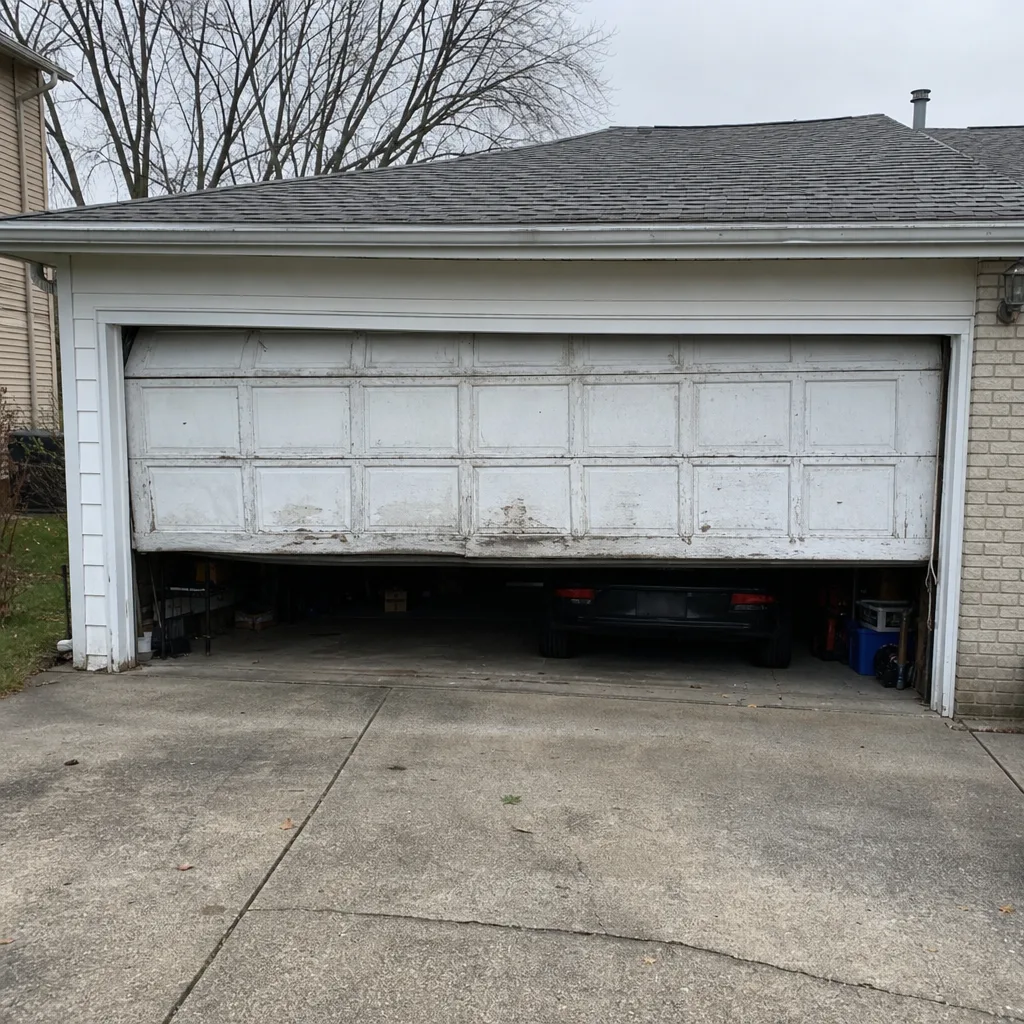 Before
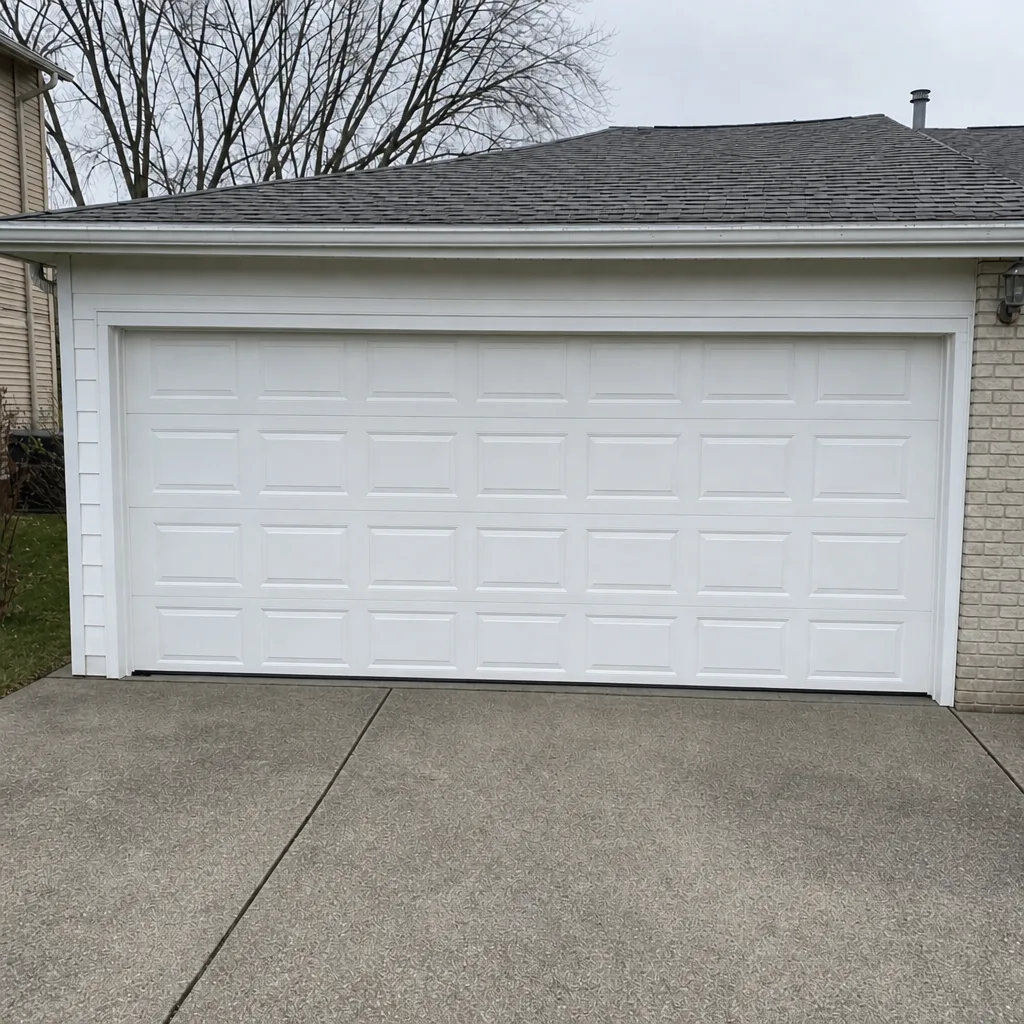 After
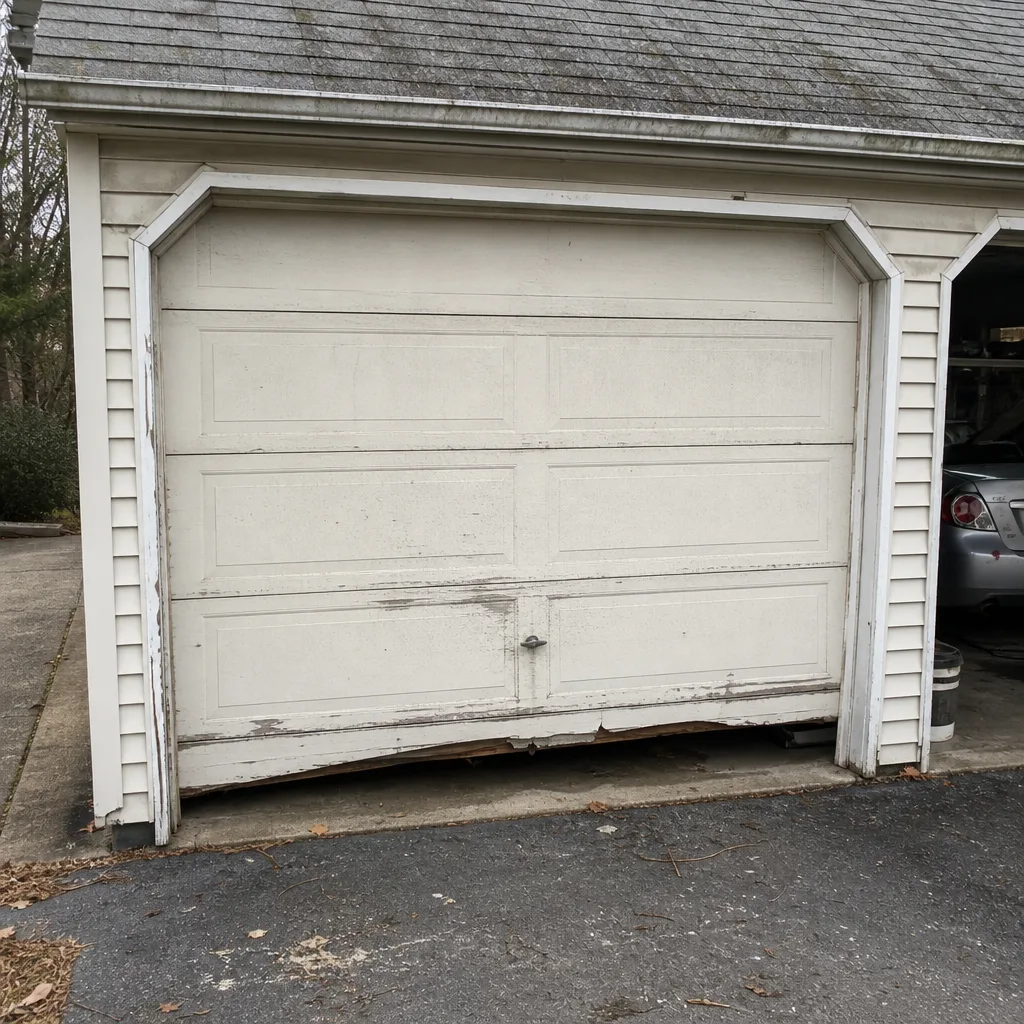 Before
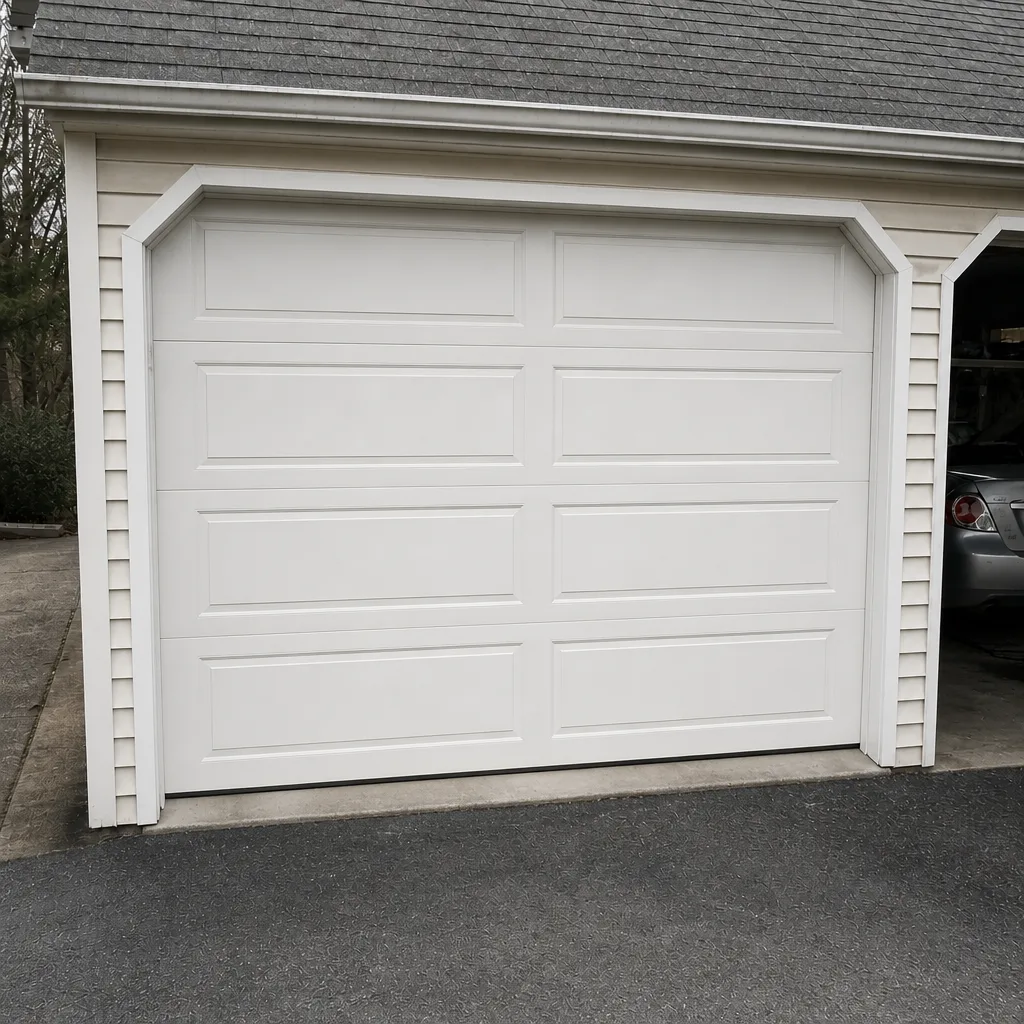 After
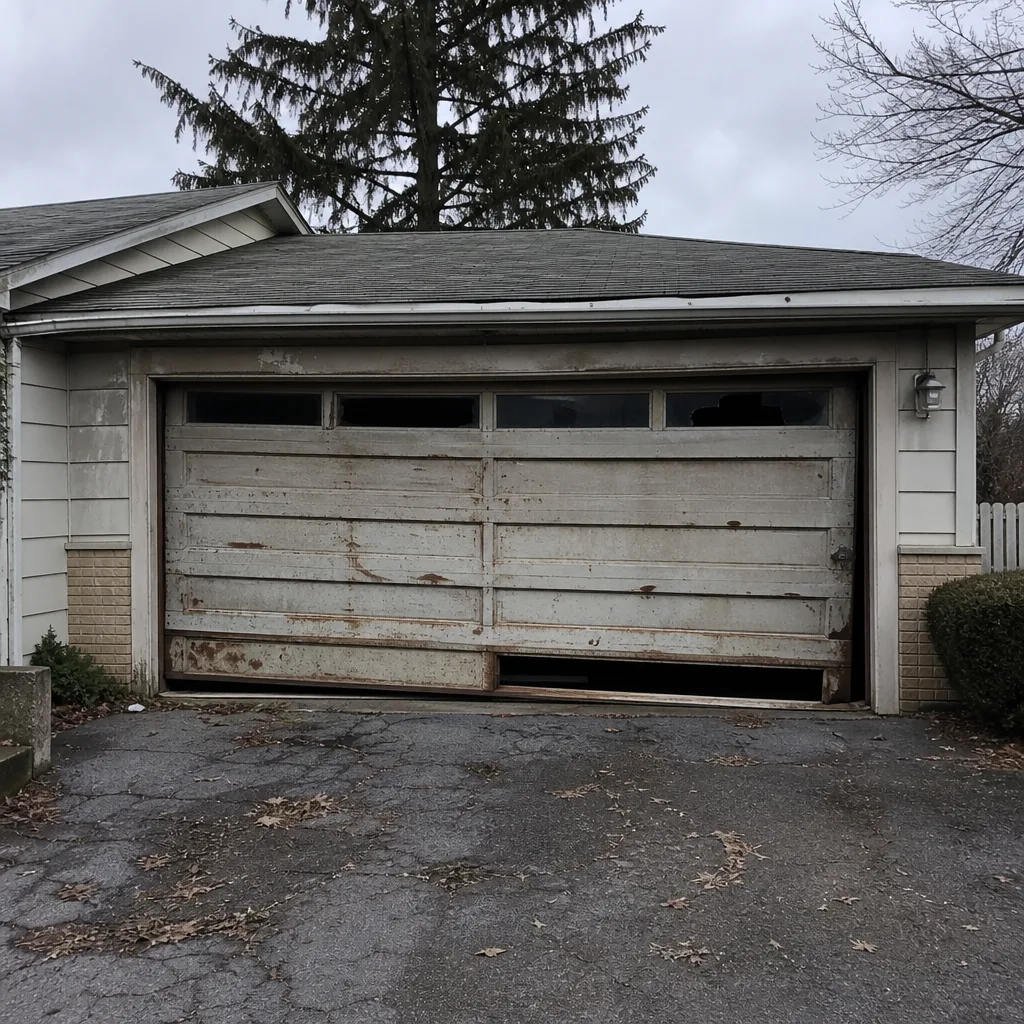 Before
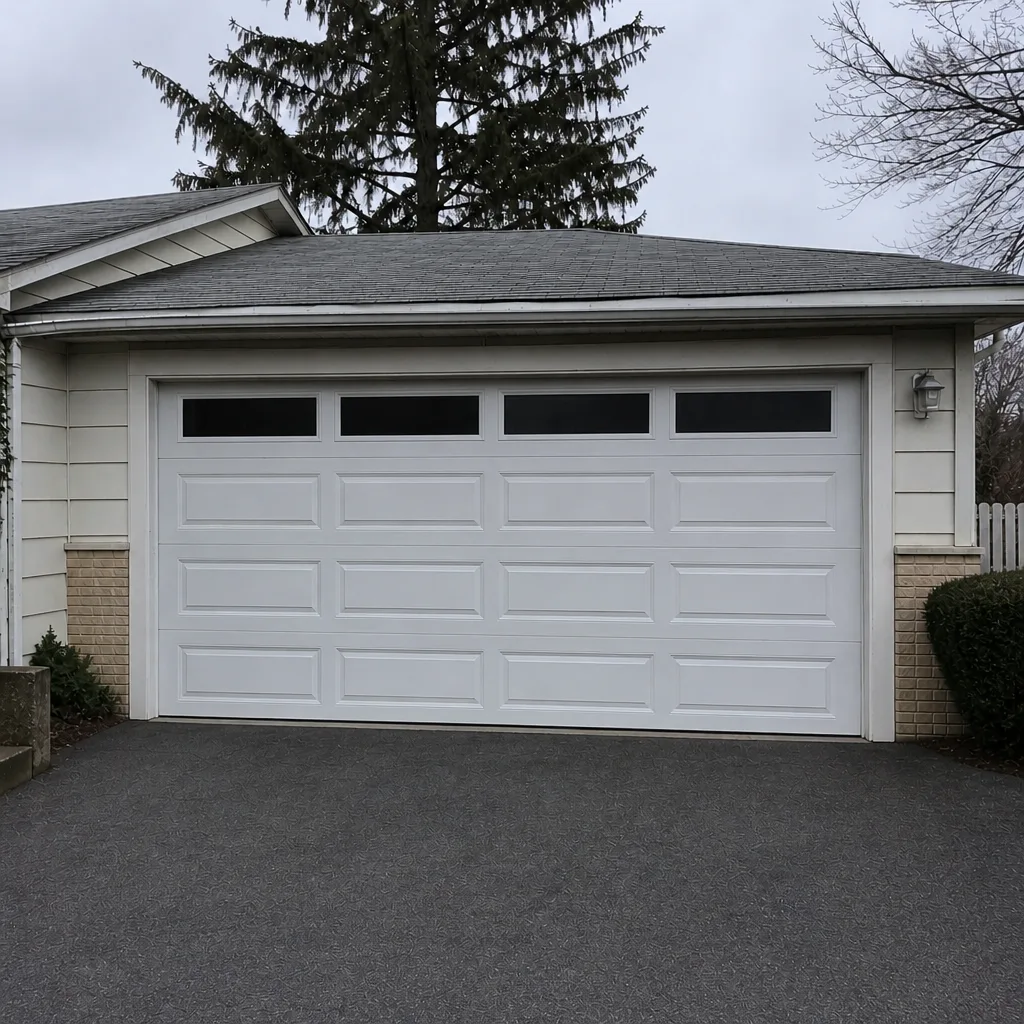 After
When to Call a Professional
Some seasonal care is within reach of any careful homeowner: lubricating, wiping down tracks, watching for drafts and daylight, keeping the door’s path clear. But several situations call for a trained technician, and it’s worth knowing which ones.
Call a professional if the door is unbalanced and won’t stay halfway up, if you hear a loud bang from the garage, if a cable looks slack or off its drum, if the door comes off track, if the opener won’t respond, or if spring and cable work is needed. Spring repair is the most dangerous DIY on a garage door because of the stored tension in a torsion spring, and we handle it as a core specialty rather than referring it out. Wayne Garage Door Repair Pros offers free estimates in Wayne, call (844) 708-3348. We answer 24/7, with fast dispatch from 7am to 7pm, Sunday through Friday.
Frequently Asked Questions
Fall is the most valuable time to schedule it, because fall maintenance is what prevents the winter failures that spike in January. A second look in spring, when thermal cycling peaks, catches spring and cable problems before they strand you. If you can only do one, do fall.
Spring is when the daily temperature swing from cold nights to warm days is largest, and that thermal expansion and contraction works the spring metal hardest. A spring already near the end of its cycle life after a long summer of use is most likely to let go in spring. That’s why a balance check and spring inspection in spring pays off.
Concrete heave is the slow rise and fall of the slab under your garage as the ground freezes and thaws. When the slab moves, the track brackets anchored to it can shift a fraction of an inch, which is enough to make a door bind or come off its rollers. If your door starts grinding or leaning in winter, heave is a likely cause, and it’s not something to force through.
Yes, lubrication is a reasonable DIY task. Use a lubricant made for garage door hardware, not general oil, and apply it to the hinges, rollers, bearings, and spring coils in fall before the cold. Wipe off the excess so it doesn’t collect grit. Skip it once temperatures have dropped, because the grease won’t spread properly.
The cable drums sit at each end of the torsion shaft and are held by set screws. If a set screw loosens, the drum can slip, the cable can jump off, and the door can drop or jam without warning. Checking them once a year prevents many of the cable failures that show up mid-season.
We work on systems from LiftMaster, Chamberlain, Genie, Clopay, Amarr, Wayne Dalton, Craftsman, and Raynor, among others, so a seasonal check is matched to your actual hardware. Our technicians have up to 11 years of experience. Call (844) 708-3348 for a free estimate; the written estimate sets the price before any work starts.
The Bottom Line
Seasonal garage door care in Wayne isn’t about keeping a tidy calendar. It’s about knowing the sequence: fall work prevents winter failure, winter exposes seal and track problems, spring is the high-risk window for springs and cables, and summer sets up the next year’s stresses through humidity and heat. Get the fall tasks right, watch the seal and tracks through winter, treat spring as the window to inspect cables and drums, and address humidity and opener heat in summer. Don’t skip the cable drum set screws, and don’t attempt spring or cable work yourself. If your door is showing strain, call (844) 708-3348 for a free estimate. We answer 24/7, with fast dispatch from 7am to 7pm, Sunday through Friday.
Written by the team at Wayne Garage Door Repair Pros.