
Last updated November 21, 2026
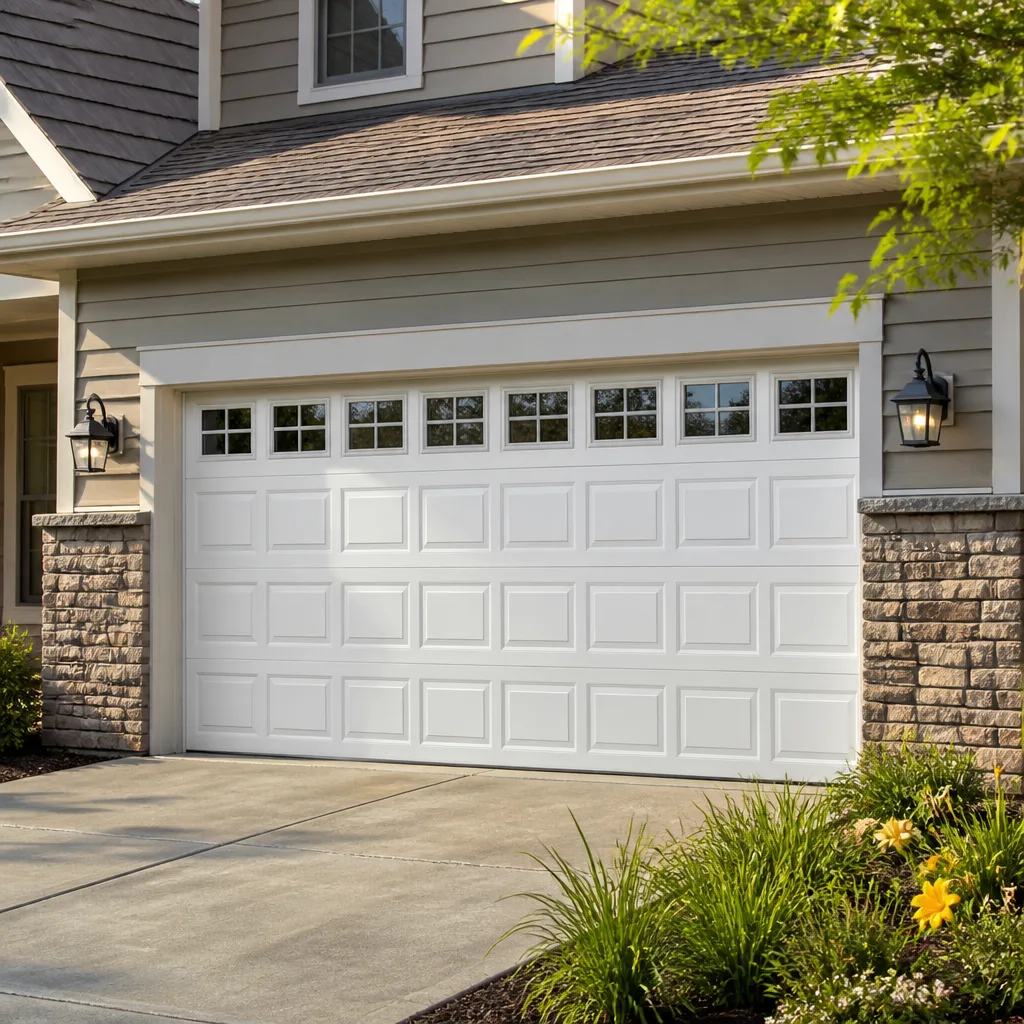 Raised-panel steel
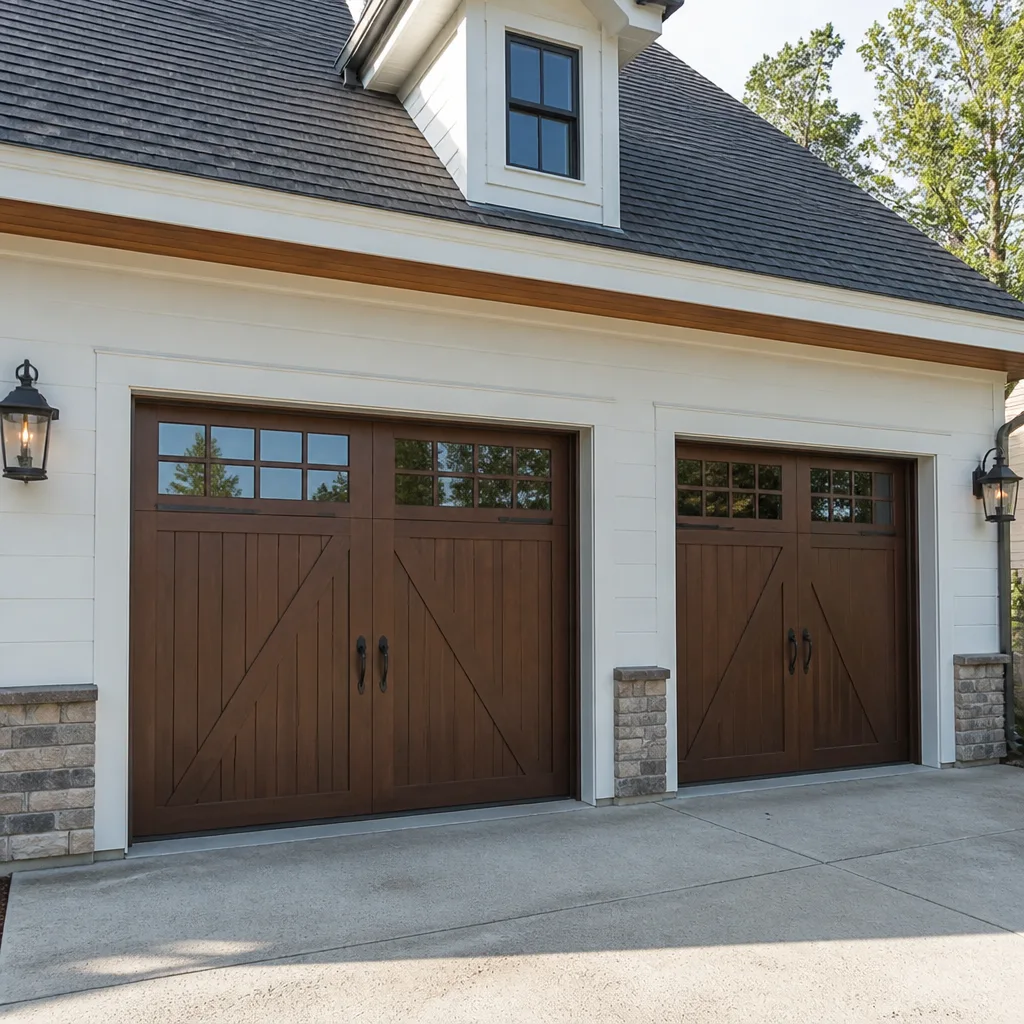 Carriage house
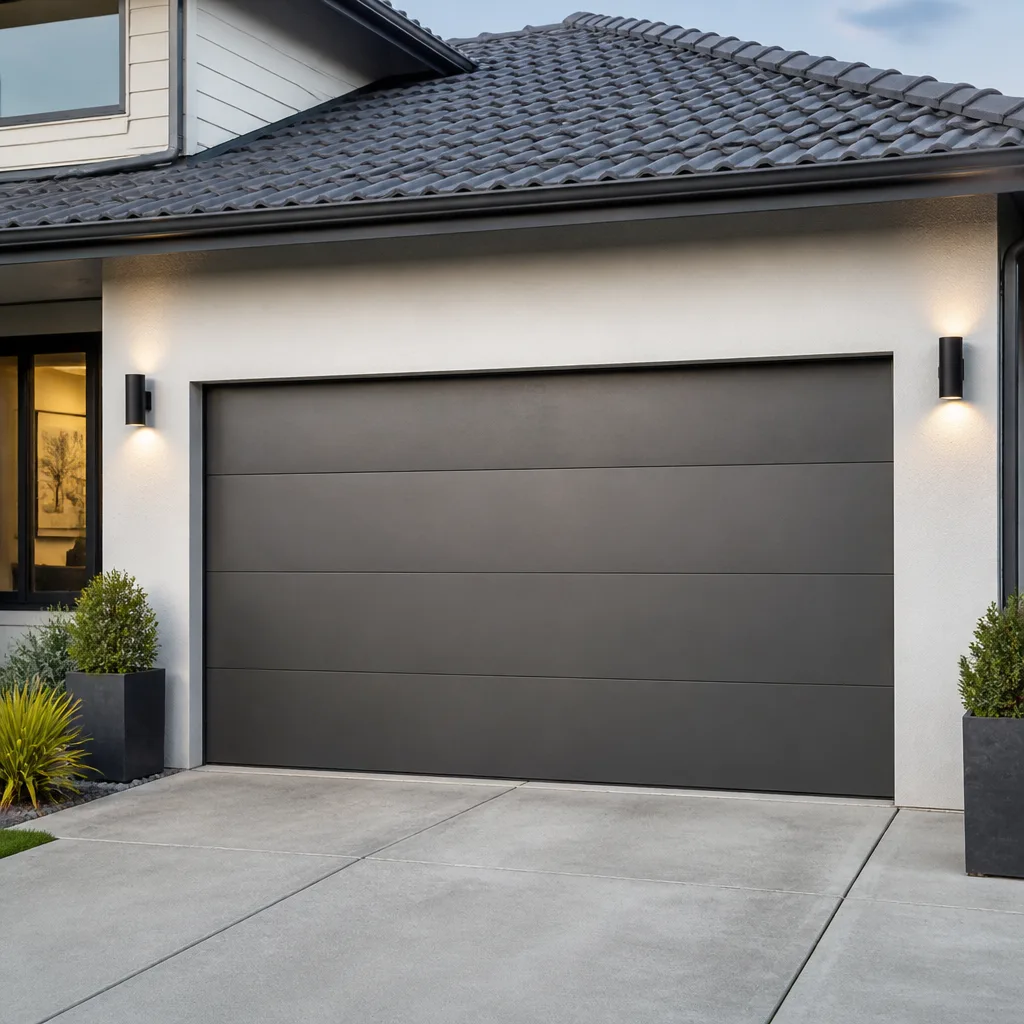 Modern flush
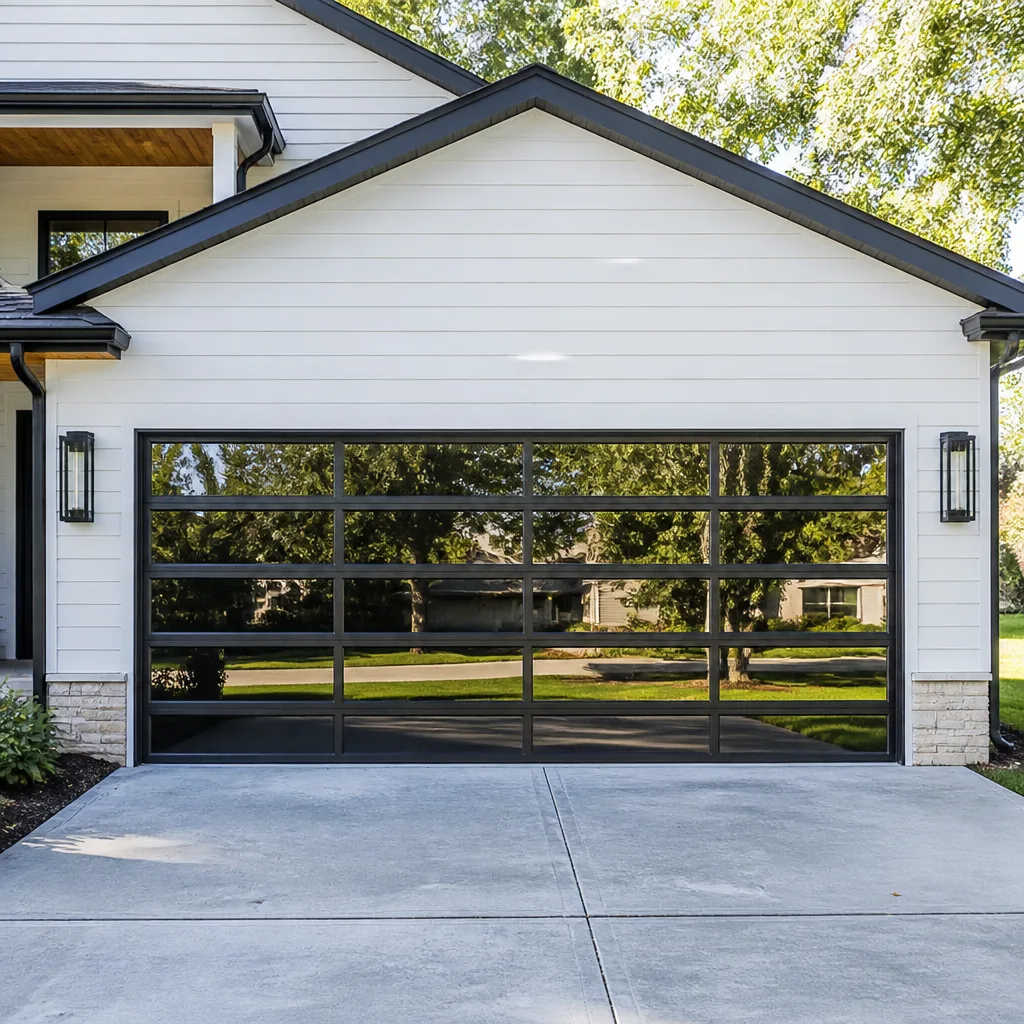 Full-view glass
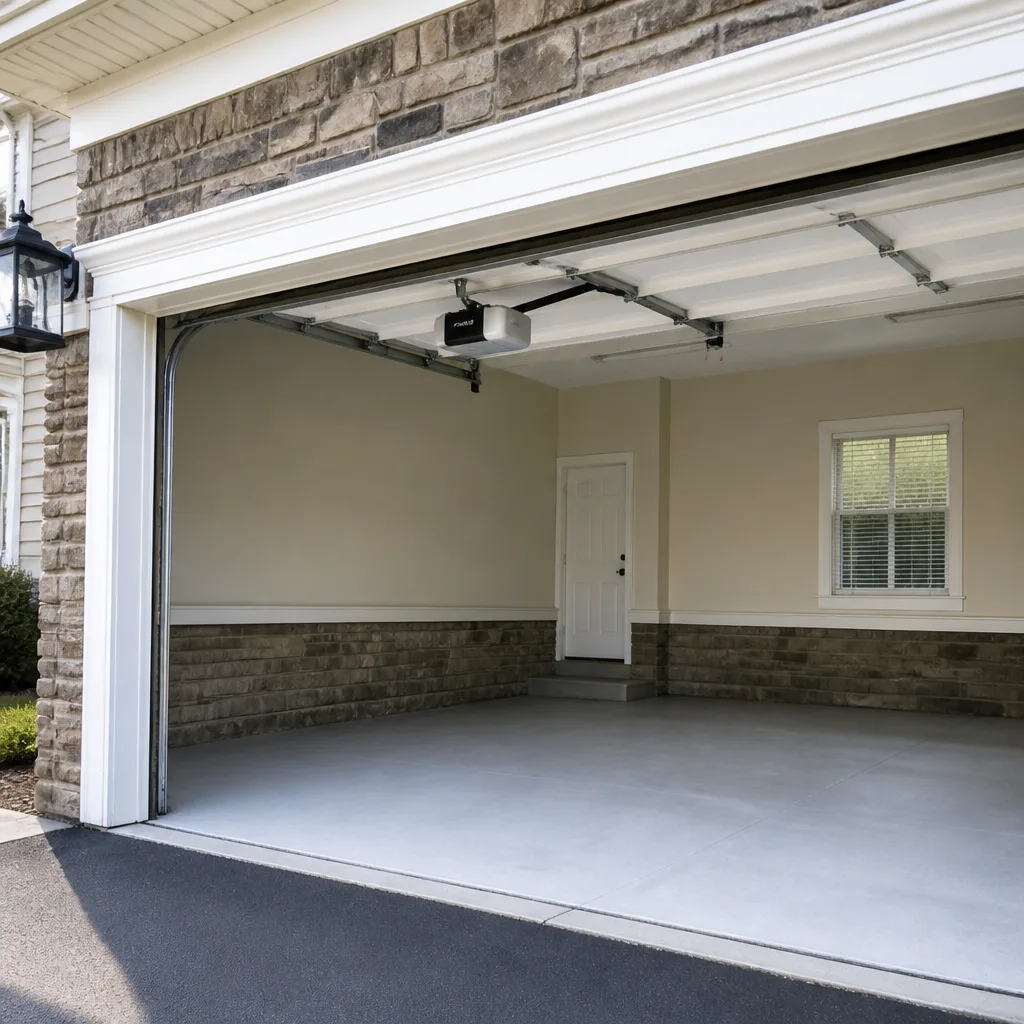 LiftMaster openers
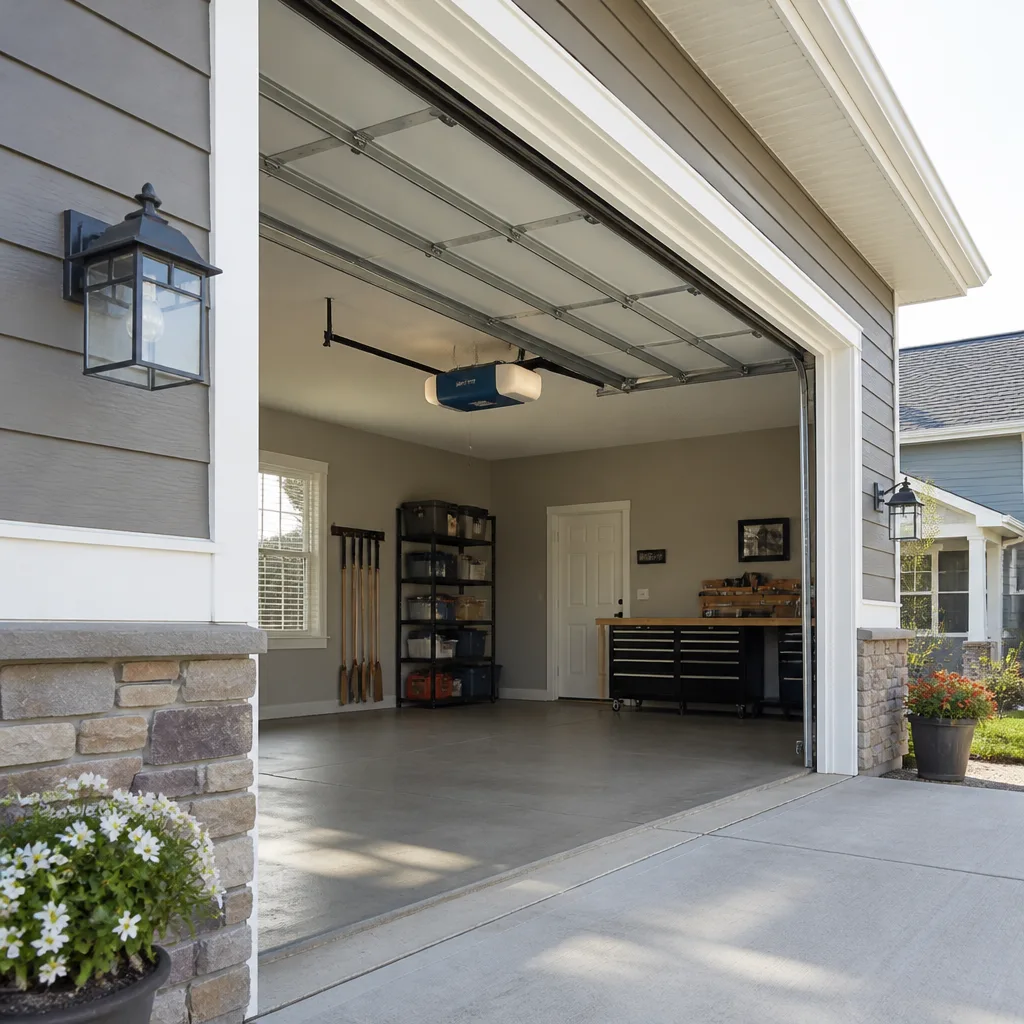 Chamberlain openers
Full 25-point door and opener safety check with every visit - springs, cables, rollers, tracks, and your LiftMaster or Chamberlain opener included
You get a price before we start. It does not change when the pro arrives.
Get your free estimateThe Complete Guide to Garage Doors in Wayne
Most Wayne homes were built between the 1950s and 1980s. During those decades, builders sized garage door rough openings for single-car doors that no longer match the panel dimensions on the market today. That gap catches homeowners off guard during a replacement, and it’s the single most common reason a “simple swap” turns into a framing conversation. Add Northeast freeze-thaw cycles, dense suburban lots with tight side clearances, and Passaic County permit rules, and you get a garage door landscape that national buying guides never address. This guide covers what actually matters in Wayne: header heights, low-headroom track, material choices built for our winters, driveway slope, and permits. You’ll finish knowing what to check before you buy, repair, or call anyone.
Quick Answer
A garage door in Wayne needs to fit a rough opening built for mid-century single-car dimensions, survive hard freeze-thaw cycles, and be installed with the right track configuration for the home’s headroom and side room. Most replacements aren’t a drop-in swap; the door has to be measured against the actual opening, header, and driveway slope before anything is ordered. Repairs like springs, cables, and openers are usually straightforward, but installations reward a proper measure and a written price over a fast guess. The written estimate sets the final price, and it always comes before work starts.
Styles & brands we work with
- Raised-panel steel
- Carriage house
- Modern flush
- Full-view glass
- LiftMaster openers
- Chamberlain openers
Table of Contents
- How Wayne’s Older Homes Affect Header Height and Side Room
- Which Door Materials Hold Up Against Wayne’s Freeze-Thaw Cycles
- Standard vs. Low-Headroom Track in Wayne Split-Levels and Ranches
- Reading a Wayne Property Survey for Driveway Slope and Door Seals
- Permit Triggers in Passaic County That Change a “Simple Replacement”
- Why Spring Repair Is the One Job You Shouldn’t Do Yourself
- Choosing and Servicing an Opener for a Wayne Home
- Repair or Replace: How to Decide
How Wayne’s Older Homes Affect Header Height and Side Room
Wayne’s mid-century ranch and split-level homes were framed for cars that were narrower and shorter than what’s parked in these driveways now. The rough opening a builder left in the 1960s was sized for a single-car door, and the header height above it was never generous. Modern panel doors and openers assume more room than many Wayne garages actually have.
Two dimensions decide whether a new door and opener will fit cleanly:
- Header height – the vertical distance from the floor to the bottom of the structural beam above the opening. A standard door needs enough room above the opening for the top section to sit when the door is up, plus room for the track curve.
- Side room – the distance from each side of the opening to the nearest wall or obstruction. Torsion springs, track brackets, and the opener rail all eat into this space, and a narrow garage will fight you.
In our experience, the older the Wayne home, the more likely the garage has a low header and tight side room. That doesn’t mean a new door won’t fit; it means the installation has to be measured, not assumed. A door that’s ordered from a catalog dimension and dropped into a mid-century opening is how homeowners end up with a gap at the top, a door that binds, or an opener that’s fighting the weight of the door. When we quote a replacement, the measure comes first and the door is chosen to the opening, not the other way around.
If you’re already dealing with a door that’s off track or a header that’s been compromised, that’s a job for garage door repair, not a quick adjustment. Structural framing is a separate trade, and knowing where the door work stops and carpentry starts saves time and money.
Which Door Materials Hold Up Against Wayne’s Freeze-Thaw Cycles
Wayne sees the full Northeast range: hot, humid summers, cold winters, and repeated freeze-thaw cycles every spring. That cycle is what breaks down door materials over time, because water gets into small gaps, freezes, expands, and pries things apart. The right material choice is less about looks and more about how it handles that cycle.
- Insulated steel – the workhorse for Wayne homes. Steel panels with a polyurethane or polystyrene core resist moisture well and hold their shape through temperature swings. The weak point is the bottom edge and the hardware, which need to stay dry and free of standing water.
- Aluminum – lighter than steel and rust-resistant, but it dents more easily and can flex in extreme temperature swings. A good option for homes with tight side room and lighter doors.
- Wood – beautiful, but Wayne’s humidity and freeze-thaw pattern is hard on it. Wood needs regular sealing and repainting, and any moisture at the bottom edge will lead to rot if ignored.
- Composite and steel-backed wood-look panels – give you the wood appearance without the moisture sensitivity of real wood. Many newer doors from Amarr and Clopay fall into this category and hold up well here.
Whatever the material, the bottom seal is the part that takes the worst beating. It sits directly against a driveway that gets wet, freezes, and thaws. A worn or hardened seal lets water in and lets cold air through, and it’s the first thing to replace when a door starts letting the weather in. If the seal is dragging or torn, that’s a routine fix rather than a reason to replace the whole door.
The counterintuitive point: the most expensive door material is not automatically the best choice for a Wayne home. What matters is how the panel edges, bottom seal, and hardware handle moisture, and whether the door fits the opening without strain. A well-fitted insulated steel door will outperform a poorly-fitted premium door every winter.
Standard vs. Low-Headroom Track in Wayne Split-Levels and Ranches
A garage door track is not a generic piece of metal. The track configuration determines how the door travels, and it has to match the ceiling height and header in the garage. In a Wayne split-level or ranch home, that often means less room than a modern standard door expects.
There are two configurations you’ll run into:
- Standard-lift track – the door rises and turns back under a normal ceiling height. It needs more vertical room above the opening and is the default in garages with full-height ceilings.
- Low-headroom track – the door uses a tighter radius and less vertical room, so it fits under a lower ceiling or a header that’s close to the opening. Common in split-levels and older ranches where the garage sits under the main living level.
Getting this wrong is a hidden cost. If a standard track is installed in a garage that only has room for low-headroom, the door will hit the ceiling or bind against the header, and the opener will strain. If the garage has generous headroom but gets a low-headroom track to save money, the door may travel less smoothly and the spring tension has to be set for a lighter load than the hardware assumes. Matching the track to the actual measured headroom is the only way to get smooth, reliable travel.
Wayne Dalton and Raynor both build doors and track assemblies for low-headroom applications, which is one reason we keep those brands in rotation for split-level homes. When we measure a garage, the headroom number tells us which configuration we’re working with before anything is ordered. The written estimate reflects the correct track, not a guess. If you’re only repairing the door and track, the existing configuration is what gets serviced; if you’re replacing, the track often needs to change to match the new door.
Reading a Wayne Property Survey for Driveway Slope and Door Seals
Most homeowners have never looked closely at the property survey tucked in with their closing documents. That survey shows the driveway grade, and the grade decides how well a garage door’s bottom seal can do its job. In Wayne’s dense suburban lots, driveways slope toward the garage more often than people realize, and that slope is the quiet cause of wet garages, drafty doors, and worn-out seals.
Here’s what to look for on the survey:
- Contour lines and grade arrows – these show the direction and steepness of the driveway. If the grade runs toward the garage, water is going to collect at the threshold.
- Drainage features – swales, catch basins, and gutter lines are often marked. A blocked or missing feature means water has nowhere to go but under the door.
- The apron and threshold – the section of driveway right at the garage. A flat or slightly sloped apron lets the seal sit evenly; a steep or crowned apron leaves a gap at one edge.
When the driveway slopes toward the garage, the door’s bottom seal has to be tall enough and flexible enough to close the gap without being crushed. A hard, worn seal that can’t conform to a sloped apron lets water run in, and the freeze-thaw cycle then does the rest of the damage to whatever’s inside the garage. A threshold seal or a bumper-style bottom seal can make a real difference on a sloped driveway, and it’s a small repair compared to replacing water-damaged flooring or framing.
If the survey shows a serious grade problem, that’s a drainage question as much as a door question. We can tell you what the door and seal can do about it, and when it’s a job for a landscaper or a concrete contractor. In our experience, the homeowners who read their surveys before buying a door end up with a better-fitting door than the ones who don’t.
Permit Triggers in Passaic County That Change a “Simple Replacement”
Whether a garage door replacement needs a permit depends on the scope, and in Wayne the answer can change based on factors homeowners don’t expect. A like-for-like replacement in the same opening usually takes less paperwork than a change of size, a new opening, or structural work to the header. The rule of thumb: the more the job changes the building, the more likely it needs a permit.
Common triggers that turn a “simple replacement” into a permitting job:
- Changing the opening size – widening or heightening the door means altering the header and framing, which is structural work.
- Structural changes to the header or side jambs – any change that affects how the door’s weight is carried above or beside the opening.
- Adding an opener with new electrical work – if a circuit has to be run or a new outlet installed, that electrical work may need its own inspection.
- Changing the door’s rated performance – some replacements affect the home’s rated envelope, and the building department may want to see the details.
The specifics vary, and the safe move is always the same: call Wayne’s building department and describe the job exactly as it is. Ask what they want to see. They’re the authority on what needs a permit, and a five-minute phone call beats discovering a problem after the door is installed. We don’t issue permits or make that call on your behalf; we tell you what we’re going to do, and you confirm the permit question with the town before work starts.
The point of bringing this up isn’t to scare anyone off a replacement. It’s that a “simple replacement” can have a permit question buried in it, and knowing that before you sign a contract keeps the job on schedule. A written estimate that reflects the correct scope, including any permit-driven work, is the only estimate worth comparing.
Why Spring Repair Is the One Job You Shouldn’t Do Yourself
Torsion and extension springs carry the full weight of the door and are under dangerous tension at all times. Releasing or adjusting that tension incorrectly can cause serious injury, which is why spring work is a job for trained technicians, not a weekend project. We handle both torsion and extension springs because they’re the highest-risk part of any garage door system.
There are two spring types on residential doors:
- Torsion springs – mounted horizontally above the door on a shaft, wound to a specific number of turns. They’re quieter and last longer, and they’re the most common setup on modern doors.
- Extension springs – mounted above the horizontal tracks, stretching to lift the door. Older Wayne homes often have these, and they need safety cables so a broken spring can’t whip loose.
The reason this isn’t a DIY job comes down to stored energy. A wound torsion spring holds enough force to do real damage the instant it’s released, and there’s no safe way to handle that without the right tools and training. When a spring breaks, the door becomes dangerously heavy, and forcing it open or closed can bend the tracks or damage the opener. The right move is to stop using the door and call for service.
Replacing one spring versus a matched pair matters too. When springs are installed together, they wear together, and a single new spring paired with a worn one puts uneven stress on the shaft. That’s why a matched pair is usually replaced at the same time, and why a per-spring price isn’t the same as a pair price. For this work specifically, garage door spring repair is where trained hands matter most. We answer 24/7 for the phone line and dispatch technicians fast during the day, Sunday through Friday, because a door that won’t open is a problem that can’t sit.
Choosing and Servicing an Opener for a Wayne Home
An opener should match the weight and travel of the door, the electrical setup in the garage, and the way you want to control it. In Wayne’s older garages, that often means working around limited headroom, legacy wiring, and a door that may not be the one the opener was originally paired with. Repairing what’s there is usually the right first move before anyone talks about a new unit.
For a straightforward lift, plenty of Wayne homeowners rely on LiftMaster systems for their reliability and support for modern smart-home features. Chamberlain and Genie are also common, and we work on Craftsman units that are still running in older garages. The brand matters less than the match: the opener has to be sized to the door, the safety sensors have to be aligned, and the travel limits have to be set to the actual opening. A perfectly good opener on a door that’s out of balance will fail early.
We diagnose openers before recommending replacement. Common issues we see include:
- Safety sensors out of alignment – the door reverses or won’t close, and the fix is often a realignment rather than a new unit.
- Force limits set too high – the opener masks a binding door by pushing through resistance, which wears the motor and is unsafe.
- Stripped gears or worn logic boards – serviceable on many units, and replacement is only the answer when the repair doesn’t make sense against the cost of a new opener.
- Remote and keypad pairing – a common issue that looks like a failure but is usually a programming fix.
If the opener is genuinely failing, we can replace it with a unit matched to the door, and we service the eight major residential brands: LiftMaster, Chamberlain, Genie, Clopay, Amarr, Wayne Dalton, Craftsman, and Raynor. When the opener needs a targeted fix, that’s a garage door opener repair and it’s often simpler than homeowners expect. Getting a smart-home-compatible opener today doesn’t mean the door has to be replaced, and getting an older unit serviced doesn’t mean living with unreliability.
Repair or Replace: How to Decide
A garage door should work every time, and the question of repair versus replacement comes down to the door’s condition, balance, and safety rather than age alone. A door that’s been in service for decades can still be worth repairing if the panels are sound and the hardware is in good shape. A door with rot, cracked panels, or a compromised structure is a replacement conversation.
Here’s the decision framework we use:
- Repair when the problem is a spring, cable, roller, hinge, opener, or seal. These are the most common failures and the cheapest to fix.
- Repair when the door is off track or binding, as long as the panels and framing are intact.
- Replace when the door has rust-through, rot, cracked or delaminating panels, or structural damage to the frame.
- Replace when the door no longer fits the opening, or when repeated repairs on the same part start to add up.
- Replace when you’re changing materials, like moving from a worn wood door to insulated steel for warmth and lower maintenance.
The honest answer is often repair, and we say so. A lot of “replace the door” recommendations come from crews selling installations, not from the actual condition of the door. Repairing a spring or an opener keeps money in your pocket and gets the door working the same day. Replacing a whole door to fix a bad spring is a waste of money.
What tips the scale toward replacement is a combination of problems, not a single worn part. If the panels are sound and the door is balanced, repair wins. If the door is compromised in several places, a new door is the cheaper path over the next several years. We quote both options with a written estimate so the comparison is real, not a sales pitch.
Common Mistakes to Avoid
- Ordering a door from catalog dimensions without measuring the opening. Wayne’s mid-century rough openings rarely match modern catalog sizes, and a door that’s a fraction of an inch off will bind, gap, or need reframing. Measure the actual opening, header height, and side room before you buy.
- Assuming a “simple replacement” needs no permit. In Passaic County, changing the opening size, altering the header, or adding electrical work for a new opener can trigger a permit. Call Wayne’s building department and confirm the scope before anything is ordered.
- Choosing the cheapest seal for a sloped driveway. A hard, short bottom seal on a driveway that slopes toward the garage lets water in, and the freeze-thaw cycle does the rest. Match the seal to the grade on your survey.
- Skipping the low-headroom question on a split-level or ranch. If the garage has limited ceiling height, a standard track will bind or hit the ceiling. Confirm the headroom number before the track is ordered.
- Winding or releasing springs yourself. Stored spring energy can cause serious injury, and there’s no safe way to handle it without the right tools and training. Stop using the door and call for service.
- Replacing an opener when the door is out of balance. A binding door wears out even a new opener. Fix the balance and the track first, then decide whether the opener actually needs replacement.
- Pairing one new spring with a worn one. Springs installed together wear together, and a single replacement puts uneven stress on the shaft. A matched pair is the safer and more durable choice.
See the difference
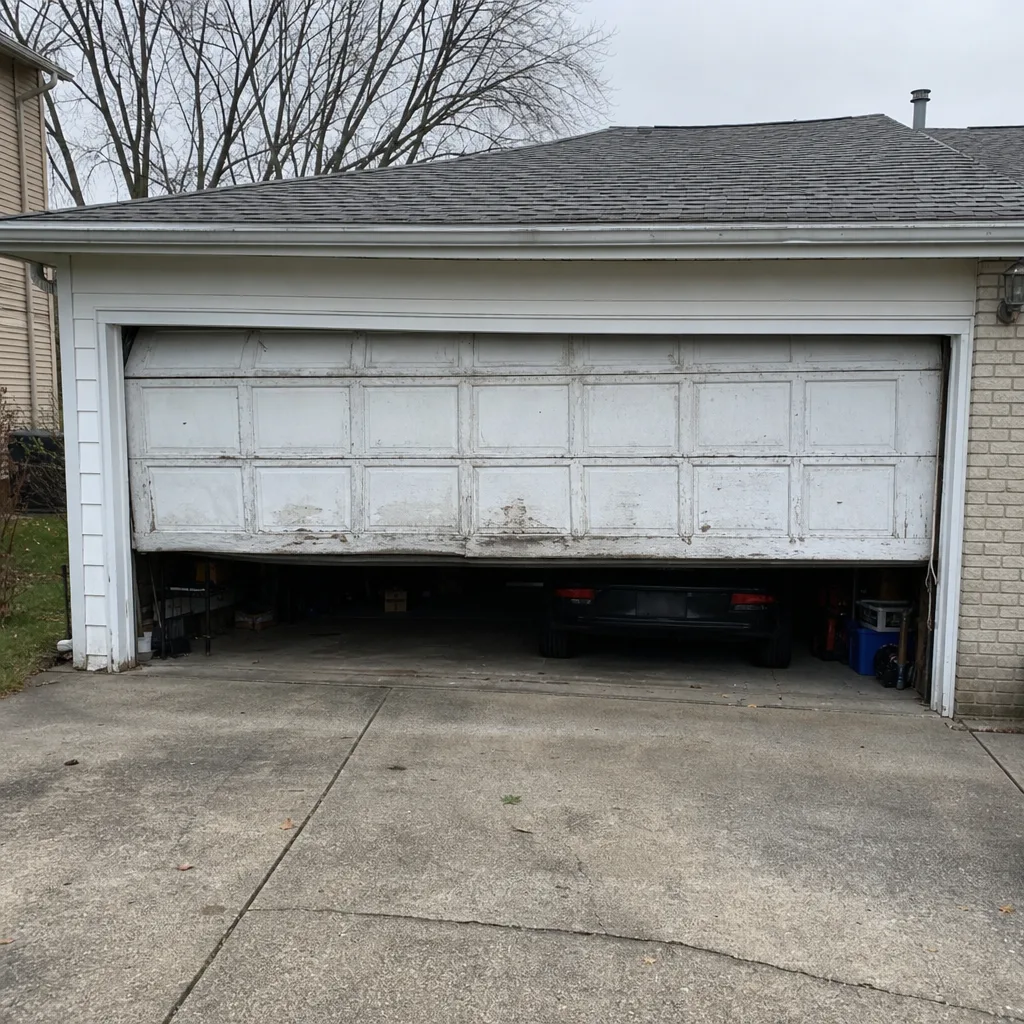 Before
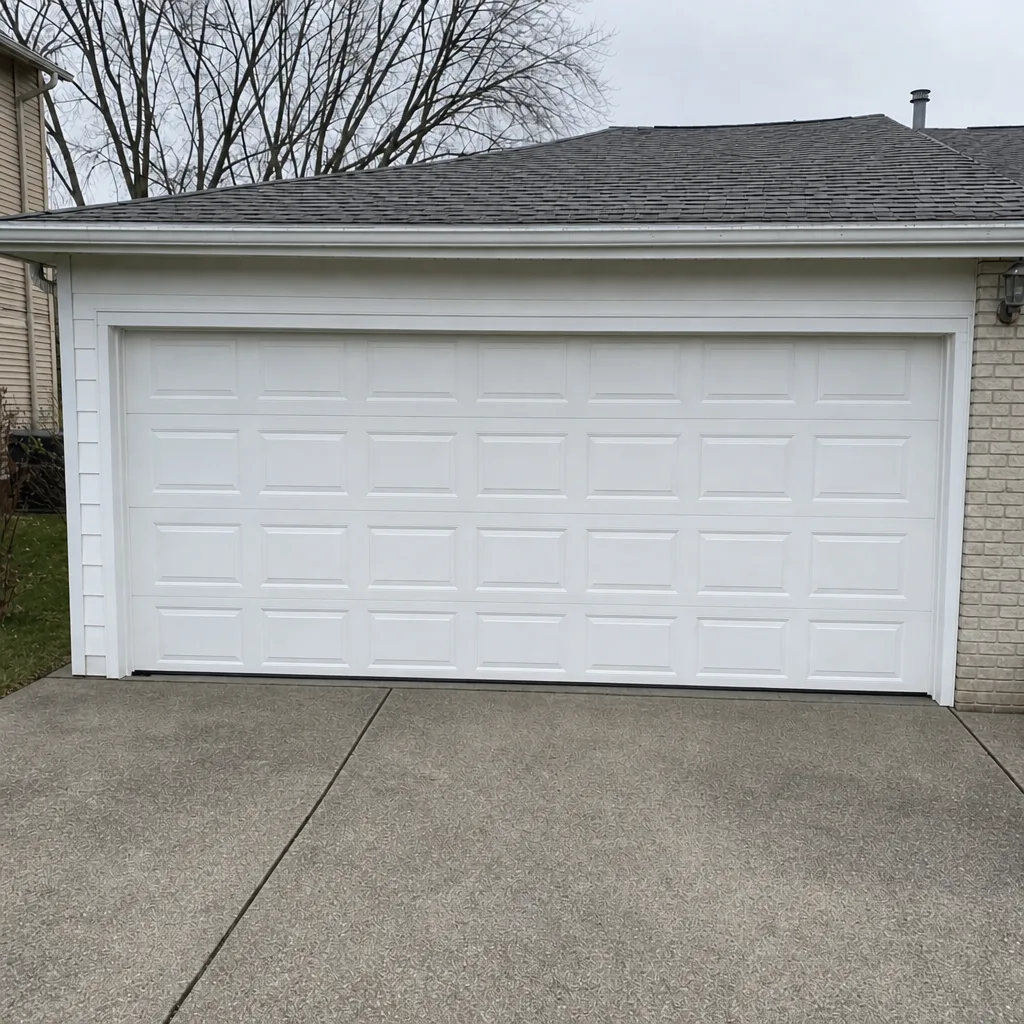 After
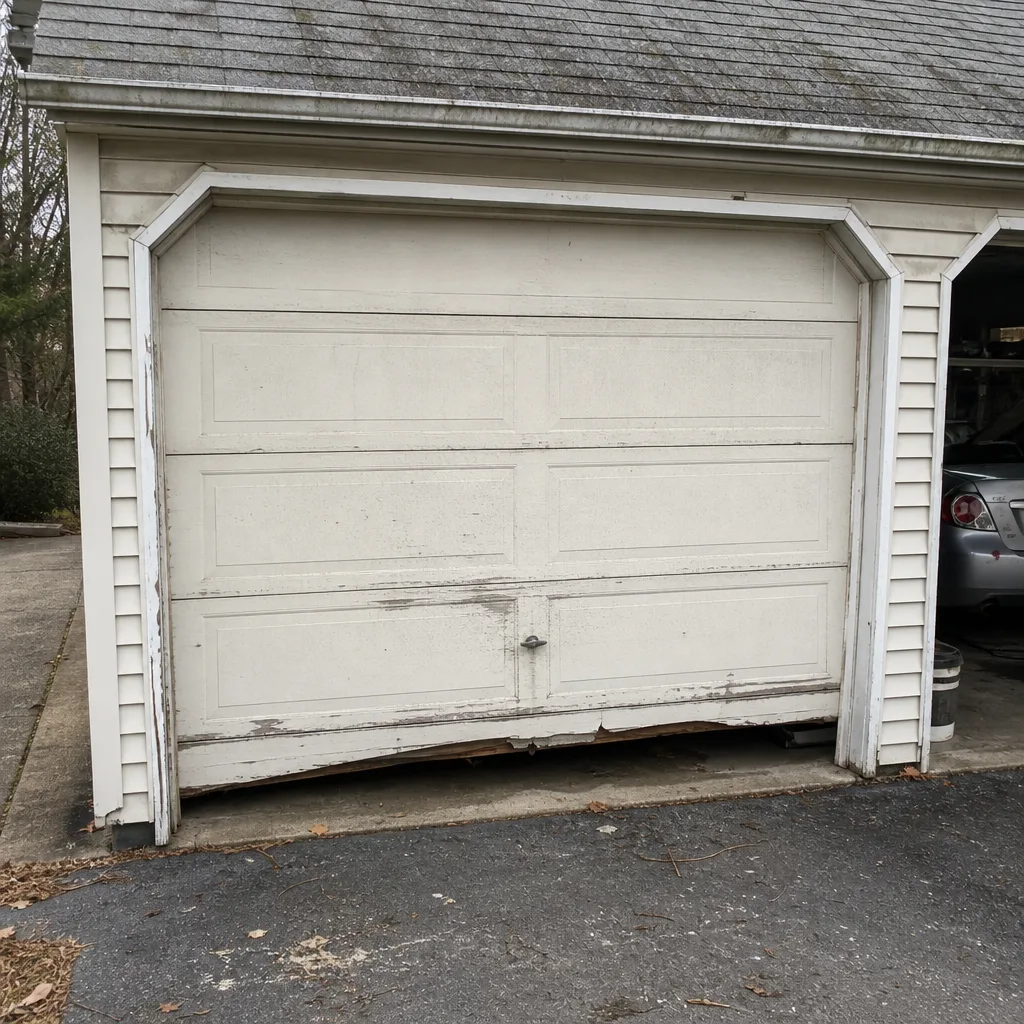 Before
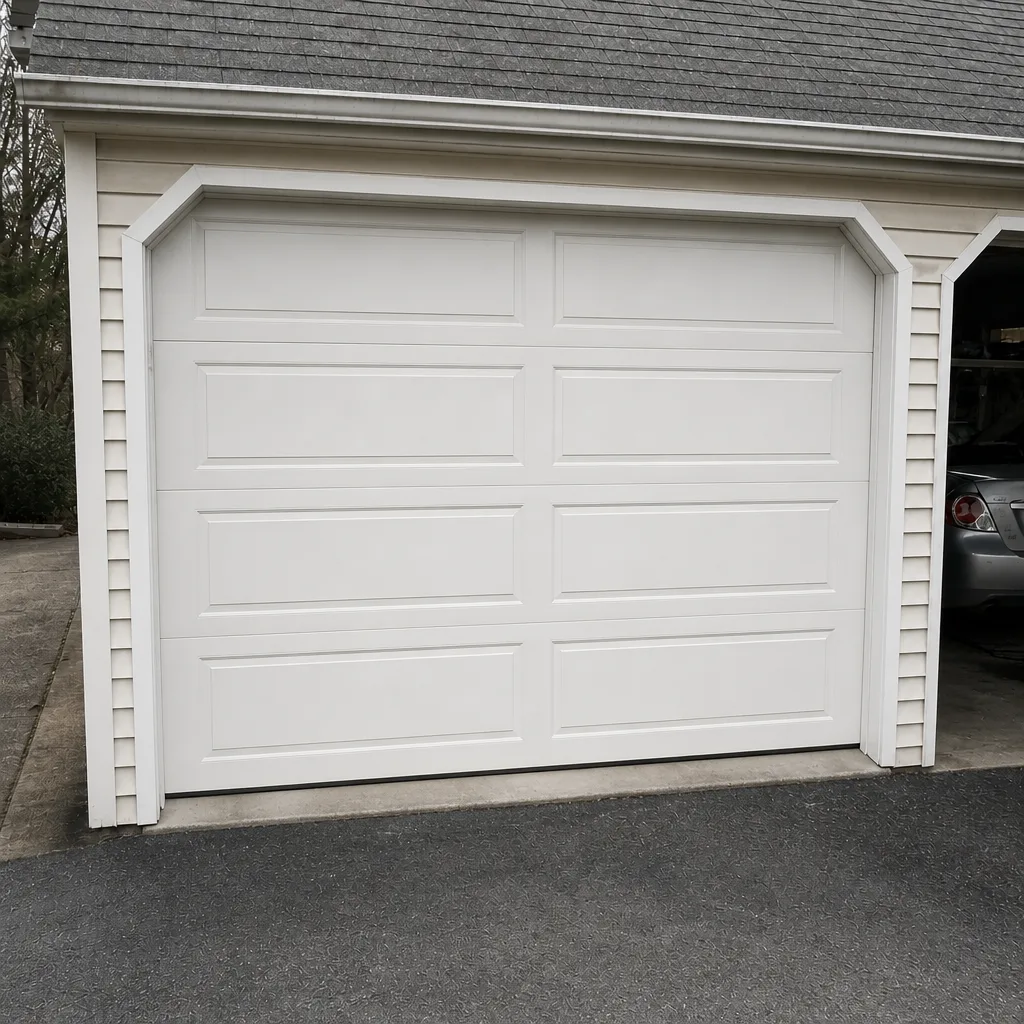 After
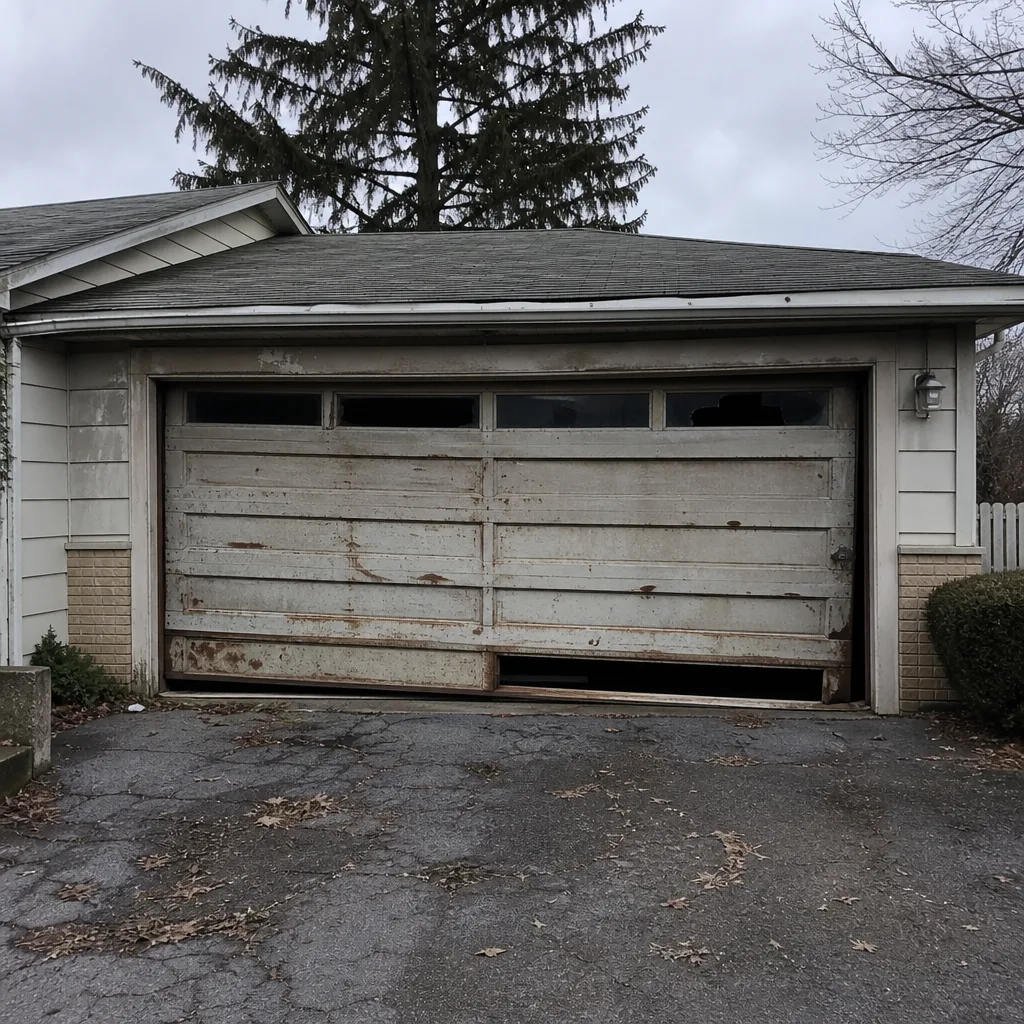 Before
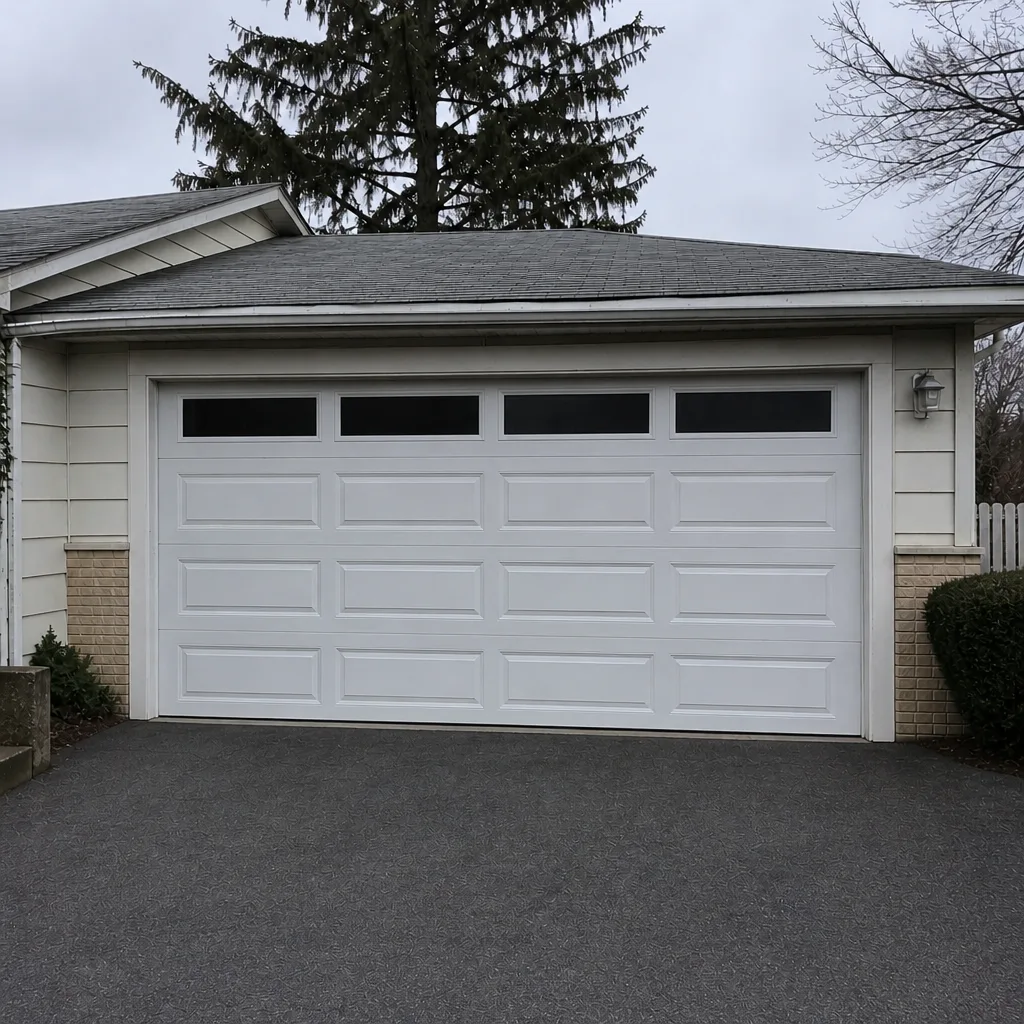 After
When to Call a Professional
Some garage door problems can wait for a scheduled visit, and some need a technician now. Call us when a spring has snapped and the door is dangerously heavy, when the door is off track or crooked, when the opener reverses or won’t respond, or when the door binds partway up. Call us before you buy a replacement door so the opening is measured correctly first. If you’re not sure which category you’re in, describe the symptoms on the phone and we’ll tell you. Spring work, track repairs, and opener diagnostics are all better with trained hands, and the springs in particular are a safety matter. Wayne Garage Door Repair Pros offers free estimates in Wayne – call (844) 708-3348. We answer 24/7. Fast dispatch from 7am to 7pm, Sunday through Friday. The price is quoted and agreed before any work starts.
Frequently Asked Questions
It depends on the scope, and a like-for-like replacement in the same opening usually needs less paperwork than a change of size or structural work. Widening the opening, altering the header, or adding new electrical work for an opener is more likely to require a permit. Call Wayne’s building department and describe the job; they’re the authority on what needs a permit, and we’ll tell you what work we’re doing so you can confirm the details. Call (844) 708-3348 for an exact quote – estimates are free.
Because many Wayne homes were built between the 1950s and 1980s, when garage door rough openings were sized for single-car doors that don’t match modern panel dimensions. The header height and side room in these garages are often tighter than a modern door expects. The fix is to measure the actual opening, header, and side room before ordering, then choose the door and track to fit. Call (844) 708-3348 to schedule a measure and get a written price.
Insulated steel is the most practical choice for Wayne’s freeze-thaw cycles because it resists moisture and holds its shape through temperature swings. Wood looks great but needs regular sealing and is harder to maintain here, and aluminum is lighter and rust-resistant but dents more easily. The bottom seal matters as much as the panel material, since that’s where water does the most damage. Call (844) 708-3348 for an exact quote – estimates are free.
Yes, spring repair is a core specialty and same-day service is often possible. We handle both torsion and extension springs, and we replace matched pairs when they’ve worn together. If a spring has snapped, the door is dangerously heavy, so stop using it and call before trying to force it open. Call (844) 708-3348. We answer 24/7. Fast dispatch from 7am to 7pm, Sunday through Friday.
The bottom seal is usually the first fix when a driveway slopes toward the garage, because a taller or more flexible seal can close the gap a hard, worn seal can’t. Check your property survey for the driveway grade and drainage features, and look at the apron right at the threshold. If the grade problem is serious, drainage work may be needed too. Call (844) 708-3348 for an exact quote – estimates are free.
No. The price is quoted and agreed before any work starts, and the written estimate sets the final price. We diagnose first and recommend a repair before a replacement, so the estimate reflects what the door actually needs. If the scope genuinely changes after inspection, we talk about it with you before anything is done. Call (844) 708-3348 for an exact quote – estimates are free.
The Bottom Line
Wayne’s garage doors have to work harder than the national guides assume. Mid-century rough openings, tight side room, low-headroom split-levels, driveway slopes, hard freeze-thaw cycles, and Passaic County permit rules all shape what a good door job looks like here. Measure before you buy, read your survey, confirm the permit question with the town, and match the track and seal to the actual garage. Repair first and replace only when it makes sense. When you’re ready, Wayne Garage Door Repair Pros handles repairs, springs, openers, and full installations across all eight major residential brands, with a written price before any work begins.
We work on LiftMaster, Chamberlain, Genie, Clopay, Amarr, Wayne Dalton, Craftsman, and Raynor systems specifically, and our technicians have up to 11 years of experience. Your door should work every time. For a free estimate, call (844) 708-3348. We answer 24/7. Fast dispatch from 7am to 7pm, Sunday through Friday.
Written by the team at Wayne Garage Door Repair Pros.