
Last updated November 21, 2026
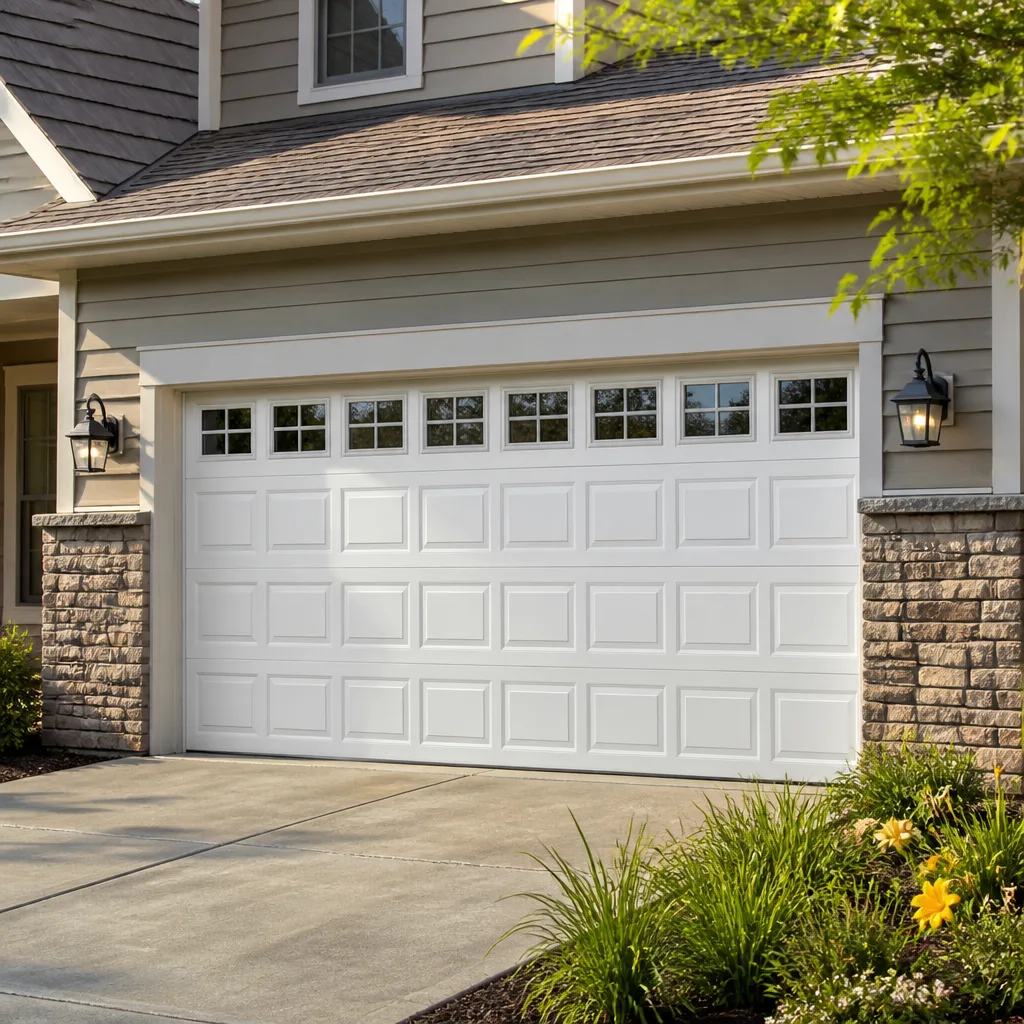 Raised-panel steel
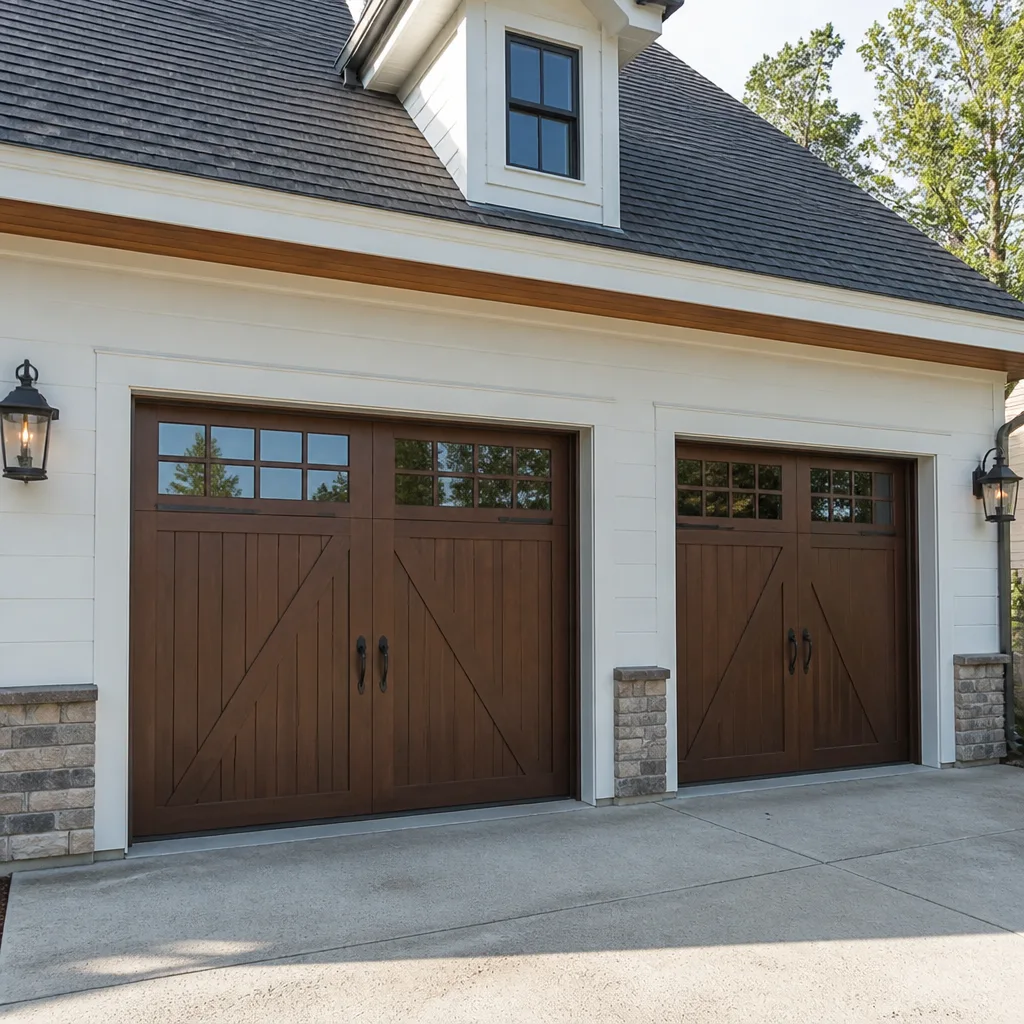 Carriage house
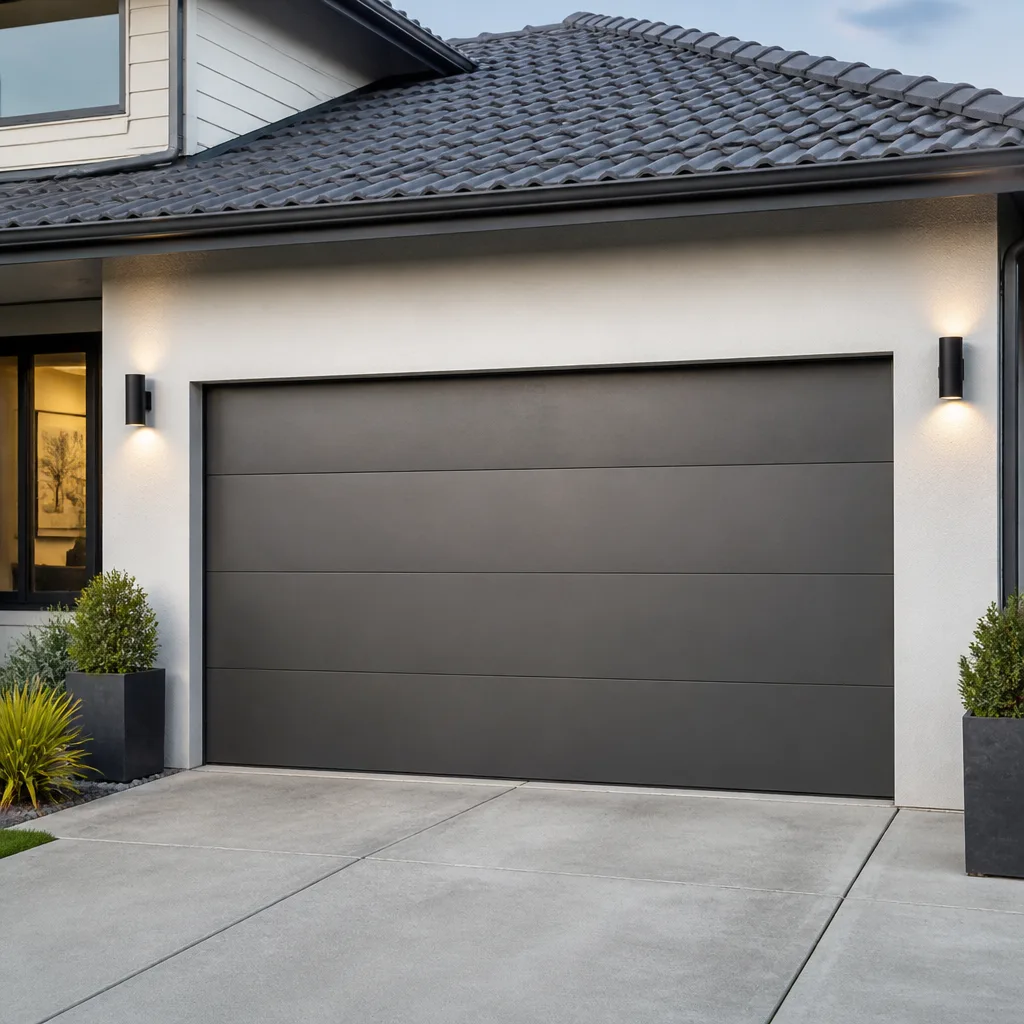 Modern flush
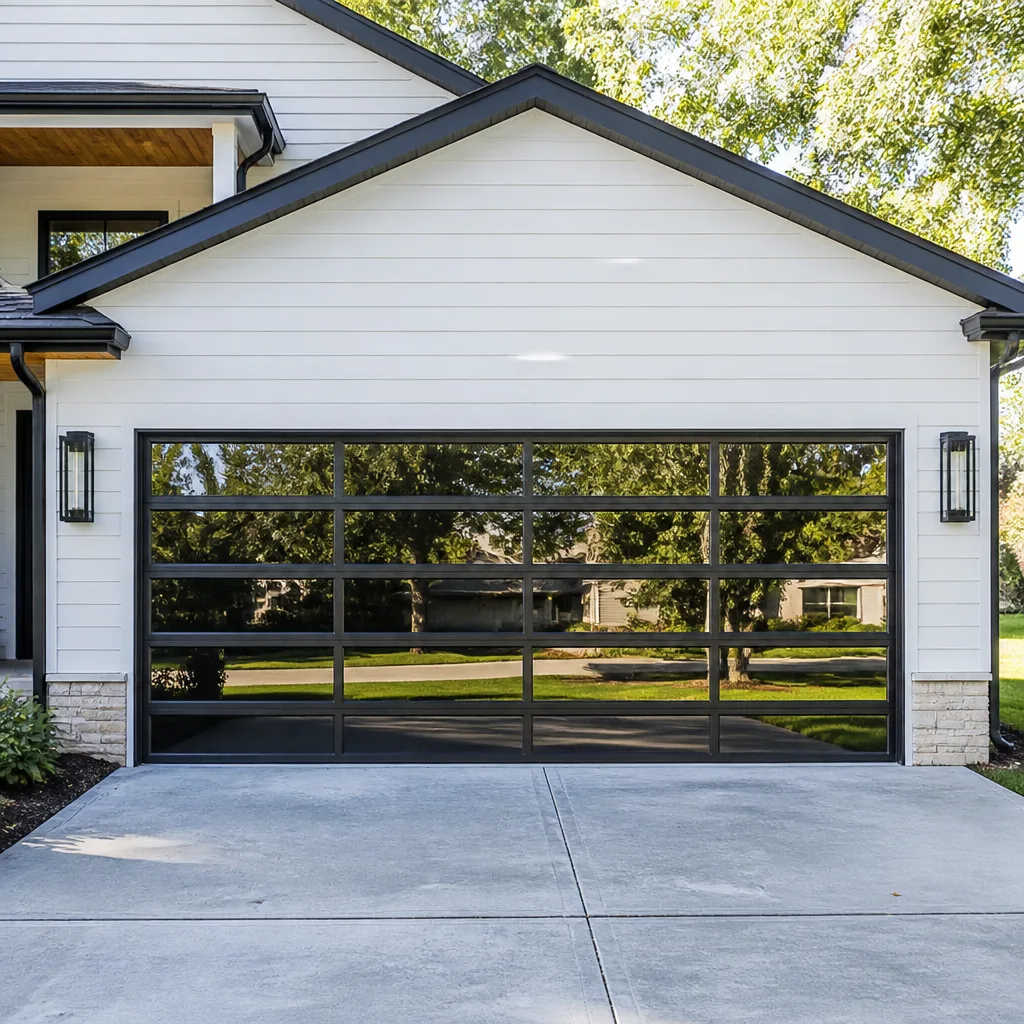 Full-view glass
 LiftMaster openers
 Chamberlain openers
Full 25-point door and opener safety check with every visit - springs, cables, rollers, tracks, and your LiftMaster or Chamberlain opener included
You get a price before we start. It does not change when the pro arrives.
Get your free estimateDIY vs Professional Garage Door: The Wayne Homeowner’s Decision Guide
Most DIY garage door advice gets the boundary wrong. It frames spring work as a difficulty rating, as if a torsion spring were a slightly harder version of a stuck roller. That framing is the problem. A torsion spring under load holds stored mechanical energy, and a sudden release of that energy can cause serious injury in an instant. This guide draws an honest line: the tasks a prepared homeowner can do safely, the tasks nobody should touch, what a professional charges for each, and how partial DIY works. We’ll also cover liability for Wayne homeowners. You’ll finish knowing exactly where your effort is worth spending.
Quick Answer
Weatherstripping, lubrication, sensor alignment, remote programming, and bottom seal replacement are safe for most homeowners to do themselves. Torsion spring adjustment, cable replacement, and track realignment under load are not safe at any skill level and should go to a trained technician. Everything in between is usually worth a professional estimate in Wayne, where a written quote tells you the real number before any work starts.
Styles & brands we work with
- Raised-panel steel
- Carriage house
- Modern flush
- Full-view glass
- LiftMaster openers
- Chamberlain openers
Table of Contents
- Where the Safety Line Actually Falls
- Owner-Safe Tasks and What a Pro Charges for Them in Wayne
- Tasks That Are Not Safe Regardless of Skill Level
- Partial DIY: How to Cut Your Labor Bill Without Risking Your Hands
- How Wayne’s Climate and Housing Shape Garage Door Wear
- Liability When a DIY Repair Fails in New Jersey
- Professional Cost Ranges for Wayne Homeowners
- When to Stop and Call
Where the Safety Line Actually Falls
The dividing line on a garage door isn’t difficulty. It’s stored energy. Some parts of a door sit under load and will move violently the moment a fastener is out of place. Others sit relaxed, and the worst outcome of a mistake is a drafty door or a gap that lets water in. Once you sort tasks by that test, the list becomes short and clear.
Garage door systems in the Wayne area are mostly sectional doors with a torsion spring on the header or a pair of extension springs running above the tracks. When the door is down, those springs are wound tight. A homeowner who loosens a set screw on the winding collar without the right winding bars is now holding a spinning shaft with his hands. That’s the part no article can prepare you for. We’ve seen the aftermath, and it doesn’t matter how careful someone was.
Here’s the framework we use with homeowners in Wayne who ask whether they can handle a repair. Run every task through three questions:
- Does this part hold stored tension right now? If yes, stop.
- Would a mistake put a hand, arm, or head inside the path of a moving door or a snapped cable? If yes, stop.
- If I get it wrong, does the door come off its tracks or drop on something? If yes, stop.
If a task clears all three, it’s likely a DIY candidate. Weatherstripping clears all three. Sensor alignment clears all three. A bottom seal clears all three. Torsion spring work fails all three. That’s the whole test, and it’s why we don’t hand out complexity scores. A score implies effort. This is about consequence.
Owner-Safe Tasks and What a Pro Charges for Them in Wayne
These are jobs an attentive homeowner with basic tools can handle. The question isn’t whether you can do them, it’s whether the time is worth it over the money you’d spend. Here’s the honest math for the Wayne market.
Weatherstripping the door frame
Replacing the rubber or vinyl seal around the opening stops drafts and keeps rain off the door hardware. It’s a ladder-and-trim job with no stored energy. Materials run cheap, and the work takes an hour or two. A professional typically charges a modest labor rate for the same job because there’s no risk and no equipment involved. Doing it yourself is a fair choice if you’re steady on a ladder.
Lubricating rollers, hinges, and tracks
Dry rollers and hinges squeal and bind. Lubrication is the single most effective habit for door longevity. Use a lubricant made for garage doors, not general household oil, and wipe off excess so it doesn’t attract grit. No professional needed. This is the task most homeowners skip and shouldn’t.
Sensor alignment
If your door reverses as soon as it starts closing, the safety sensors at the base of the tracks are usually misaligned or have a spiderweb in the lens. Wiping the lenses and gently nudging the sensors until the indicator lights settle is a safe, zero-risk fix. If the indicator light stays dark after cleaning and nudging, the problem is electrical and worth a professional look.
Remote and keypad programming
Pairing a new remote or reprogramming a keypad is a matter of following the sequence for your opener. LiftMaster and Chamberlain openers use a learn button on the motor housing; Genie and Raynor units often use a slightly different pairing sequence. The manual lists it in a minute. No reason to pay for this.
Bottom seal replacement
The bottom seal slides out of the door’s bottom section and can be replaced with a new length of the same profile. The one caveat: do it with the door open and the opener disconnected, so there’s no risk of the door cycling on your hands. This clears every question on the safety test, and it’s a solid weekend job.
For tasks in this safe column, a professional visit is usually a convenience purchase, not a safety requirement. If you’d rather not climb a ladder or chase down the right seal profile, we’ll quote the job in writing before anything starts. If you want a broader picture of what routine maintenance and repair looks like, our garage door repair page lays out the service categories.
Tasks That Are Not Safe Regardless of Skill Level
These three tasks are where the serious injuries happen, and they’re the reason we push back when homeowners ask for step-by-step instructions. We’re not going to provide them, because the failure mode isn’t a broken door. It’s a broken person.
Torsion spring adjustment or replacement
A torsion spring on a standard residential door holds enough stored energy that a sudden release is genuinely dangerous. The winding procedure requires two winding bars of the correct size, a firm grip, and a clear understanding of how the spring stores and releases that load. One slip and the bar becomes a projectile. We don’t consider this a homeowner task under any circumstances. Our garage door spring repair service exists precisely because this part of the system belongs in trained hands.
Cable replacement
Lift cables run under tension from the bottom bracket up to the drums. If a cable is frayed and you loosen the wrong fastener while the door is under load, the cable can whip free. Cable and spring energy are connected, which is why cable work and spring work are treated the same way. A trained technician secures the door, releases the tension properly, and replaces the pair, not just the broken one.
Track realignment under load
A bent track on a door that still has spring tension isn’t a lever-and-hammer job. Straightening a track while the door hangs on it can drop the door or force a roller out of the channel. Track alignment is only safe with the tension properly released, and releasing tension is spring work. Back to the top of the list.
If any of these tasks applies to your door, stop before you reach for a tool. The cost of a professional repair is small against the risk. Call (844) 708-3348 for a written price on the job.
Partial DIY: How to Cut Your Labor Bill Without Risking Your Hands
There’s a middle path most guides ignore. You can do the parts of a job that don’t involve stored energy and let a technician do the parts that do, which keeps the total labor bill lower than a full-service call. This works well for homeowners in Wayne who are comfortable with tools and want to keep the project manageable.
Where partial DIY genuinely saves money
- Clearing the space. Empty the garage floor and clear access to the door and opener before the technician arrives. No one needs to be paid to move boxes.
- Removing old weatherstripping or seals. Pulling off old seal material is a safe prep task and shortens the on-site work.
- Reprogramming remotes after a control board swap. A technician can do the electrical work and leave the pairing to you.
- Painting or prepping the door surface. Cosmetic prep around a hardware repair is safe and saves finish work.
- Gathering the model and serial number of your opener. Having the make and model ready the moment the technician arrives means faster diagnosis and less time on the clock.
What doesn’t work as partial DIY
You can’t safely do “half” of a spring or cable job. The moment the tension is released, you’re either a trained tech with the right tools or you’re not. Track work is the same. So is anything that involves reaching inside the opener housing while the motor is live. If you’re unsure which side of the line a task sits on, ask before starting, not after. A quick call is free.
Emergency jobs don’t lend themselves to partial DIY either. When a door won’t open or a spring has snapped, the goal is getting it working the same day. A technician can usually handle it in one visit, and the dispatch is fast. If your opener is the problem rather than the door itself, have a look at our garage door opener repair page for the symptoms we handle.
How Wayne’s Climate and Housing Shape Garage Door Wear
Wayne sees four honest seasons, and the garage door lives outside for all of them. Hot, humid summers followed by cold winters put repeated thermal movement through every joint, panel, and seal. That swing has practical consequences for which DIY tasks come up and how often.
Summer heat softens and expands the rubber bottom seal and weatherstripping, so gaps close and then reopen as temperatures drop. When the cold sets in, seal material goes stiff and brittle. That’s when a bottom seal starts cracking at the edges and weatherstripping pulls away from the frame. Replacing these is exactly the kind of task that’s safe to do yourself and cheap to have done, so we see a batch of seal replacements going into late fall as homeowners prepare for the cold.
Homes across Wayne include older properties with original single-car doors and newer builds with insulated double doors, and the wear is different. Older extension-spring doors sometimes have their springs running above the tracks, which is a different service picture than torsion systems. Newer high-lift doors have longer springs and heavier panels. Neither system changes the safety boundary, but it does affect what a repair involves.
One local habit worth mentioning: automated sprinkler systems. When a head is aimed at the door, water on the bottom seal and lower panels accelerates rust on the steel edge and forces the seal to fail sooner. A quick adjustment of the sprinkler head often saves a seal replacement. That’s a two-minute check with no risk. Winter also means the salt and sand that collect around a garage entry, so sweeping the threshold a few times a season keeps grit out of the track. A single grain of sand in the wrong place in a roller channel will wear it the way a file would. Lubrication and a clean track are the cheapest maintenance on the property.
Liability When a DIY Repair Fails in New Jersey
If a homeowner’s DIY repair on a garage door fails and injures a third party, the liability exposure belongs to the homeowner. New Jersey doesn’t exempt a homeowner for work he performed negligently on his own property. A delivery person, a neighbor, a contractor, or a child who gets hurt by a failed door is a personal-injury claim against the owner, and it can get expensive quickly.
The typical homeowner’s insurance policy covers certain accidental injuries on the property, but insurers look hard at whether the loss came from negligent work by the insured. A door that failed because a spring was improperly wound by a homeowner is a very different file than a door that failed because a part broke. There’s also a common practical consequence: after a claim related to non-permitted or amateur work, insurers may raise a premium or decline to renew. Nothing about this is a scare tactic. It’s simply how claims are evaluated.
For most homeowners in Wayne, the calculation is straightforward. A professional repair comes with the accountability of the business that did the work, and it comes with a written estimate that fixes the price. A DIY spring job comes with your hands on a loaded part and your name on a liability if it goes wrong. Those two outcomes aren’t comparable.
One more angle worth knowing: some doors require a permit depending on the scope of work, and permit rules vary by town and by project. A full door replacement is a common example. If you’re unsure whether your project needs one, ask Wayne’s building department before work begins. A professional installation handles the permit question for you.
Professional Cost Ranges for Wayne Homeowners
Here’s what professional work on the common repair categories typically runs in the Wayne market. Every number is an estimate and the written quote is the final price.
| Task | Typical range | Notes |
|---|---|---|
| Weatherstripping replacement | $120 – $250 | Depends on door width and seal type |
| Bottom seal replacement | $100 – $220 | Rubber vs vinyl profile changes the quote |
| Lubrication and tune-up | $80 – $160 | Safe to do yourself, cheap to have done |
| Safety sensor alignment or replacement | $90 – $180 | Wiring issues push to the upper end |
| Remote or keypad programming | $60 – $120 | A DIY task worth doing yourself |
| One torsion spring replacement | $180 – $340 | Matched pair usually replaced together |
| Cable replacement (pair) | $150 – $280 | Done with the door secured, not under load |
| Track realignment | $140 – $300 | Load off the door during the work |
| New door installation | $1,200 – $4,000 | Full system; measured and scheduled |
A few things to know about these ranges. A torsion spring price is for one spring; a pair usually replaced together costs about twice that, because the matched pair carries an equal load and replacing one leaves the other near the end of its life. Installation is scheduled work that involves measuring the opening, ordering the door, and a fitting visit. It isn’t a same-day job. For the full picture across repair categories, the Wayne Garage Door Repair Pros overview walks through the service lines.
On every one of these jobs, and every job we quote, the price is agreed before any work starts. We write the quote, you approve it, and that’s the number. No surprises on the invoice.
When to Stop and Call
Stop and call when a task is spring work, cable work, or track work under load. That’s the hard boundary, regardless of how comfortable you are with tools. Stop if the door binds, drops unevenly, or reverses unexpectedly. Stop if the opener panel has a light code you can’t match to the manual. Stop if the door is off its tracks or the opener has gone silent. And stop if you simply aren’t sure which side of the line a job sits on, because the answer is free.
We’re a phone call away. Call (844) 708-3348. We answer 24/7. Fast dispatch from 7am to 7pm, Sunday through Friday. Free estimates, and the price is written down and agreed before the first tool comes out of the bag.
Common Mistakes to Avoid
- Treating a spring job as a difficulty rating. Every year, homeowners see a “3 out of 5” label on a torsion spring task and take it on with the wrong tools. The rating is meaningless because it measures effort, not consequence.
- Loosening a bottom bracket fastener while the door is down. The bottom bracket is where the cable meets the door. It carries tension in the door-down position and should never be touched without the tension removed first.
- Lubricating with the wrong product. Household oil and WD-40 attract grit into the tracks, and grit wears rollers faster than dry hardware does. Use a product made for garage doors and wipe off the excess.
- Lifting a stuck door by force. When a door is stuck or bound, yanking it up risks popping the roller out of the track and, worse, dropping the door. Diagnose the cause or call.
- Painting over the weatherstripping corner. Paint bridges the seal to the frame, and when the seal flexes in cold weather the paint film peels. Mask the seal or replace it before painting.
- Ignoring the springs that were shut during a power outage. Some openers include a lock position for power cuts. Leaving the door in that state and then engaging the opener can bend a panel. Check the manual.
- Hiring a generalist for a spring or cable job. A handyman may take the job and be underqualified for it. The right technician works on spring systems regularly and calls it a specialty. In Wayne, ask specifically about spring experience before booking.
See the difference
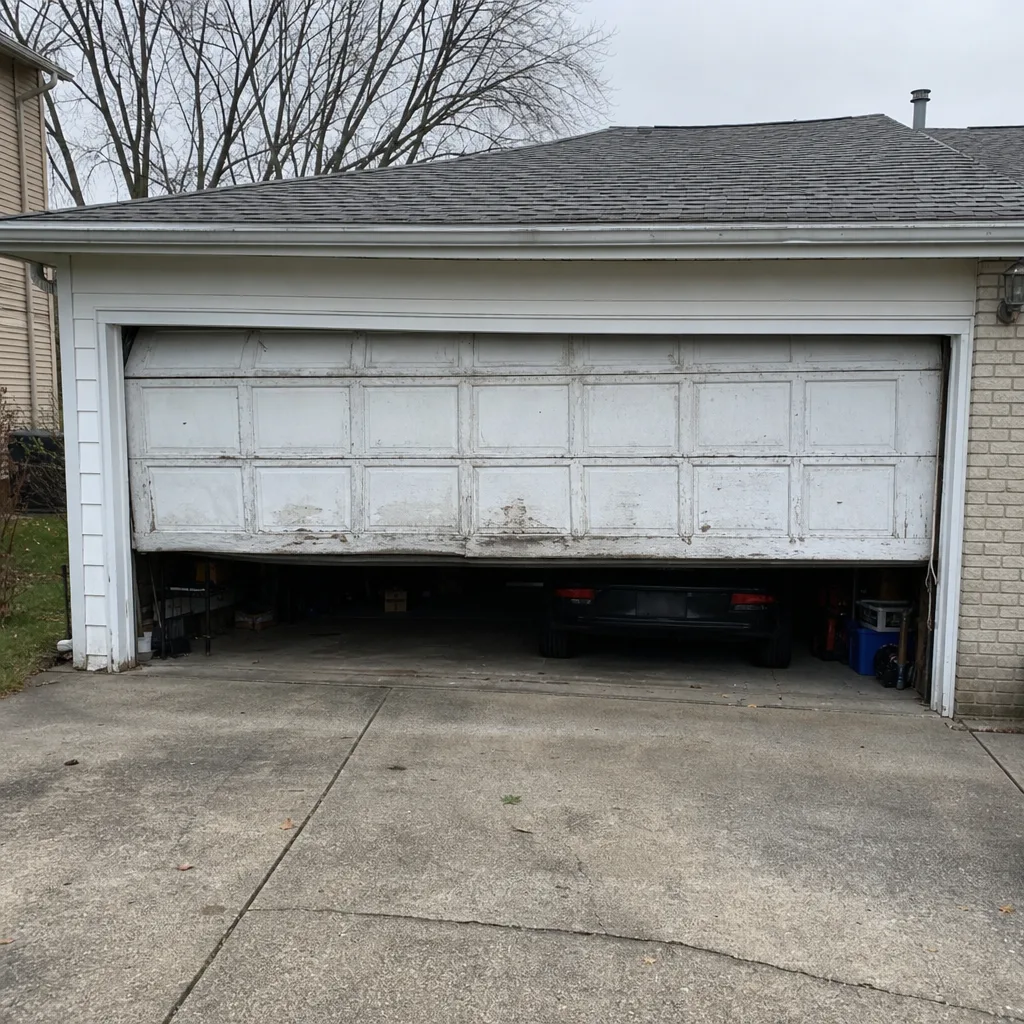 Before
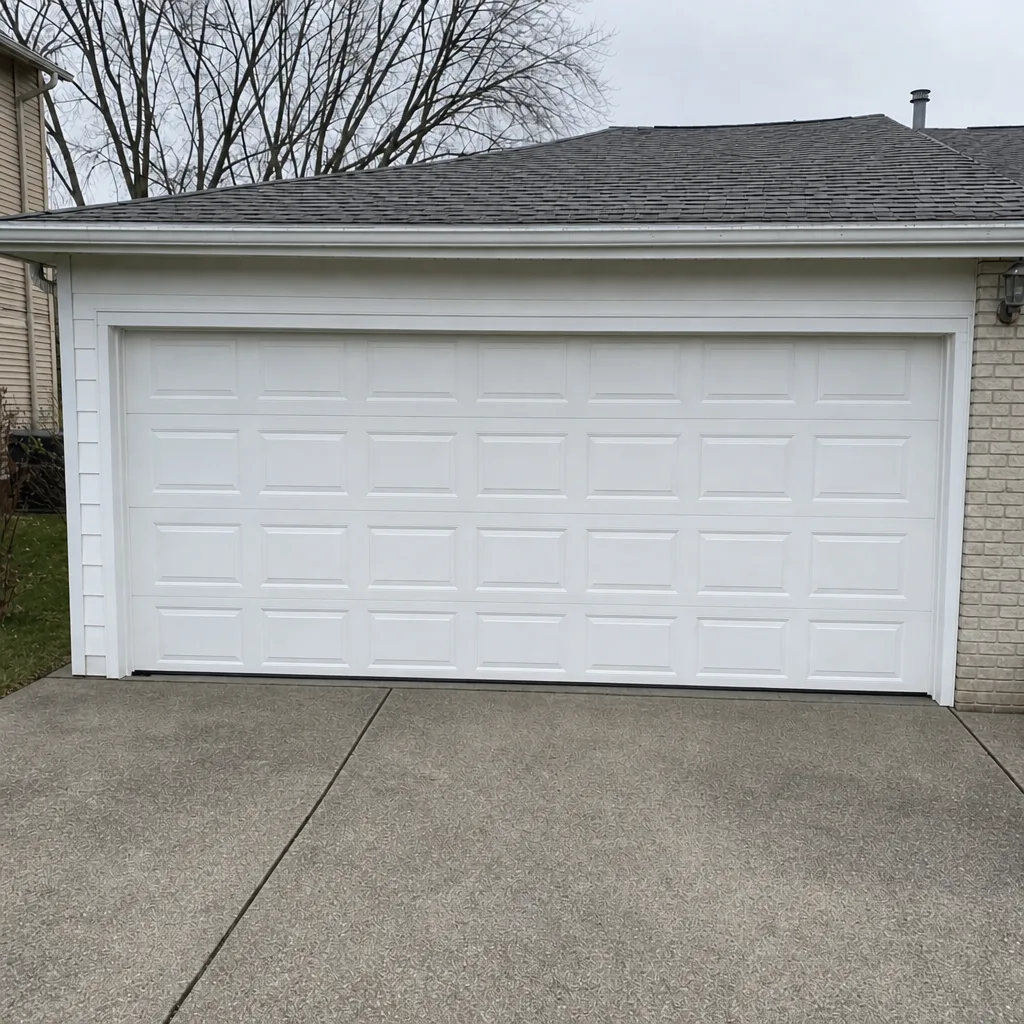 After
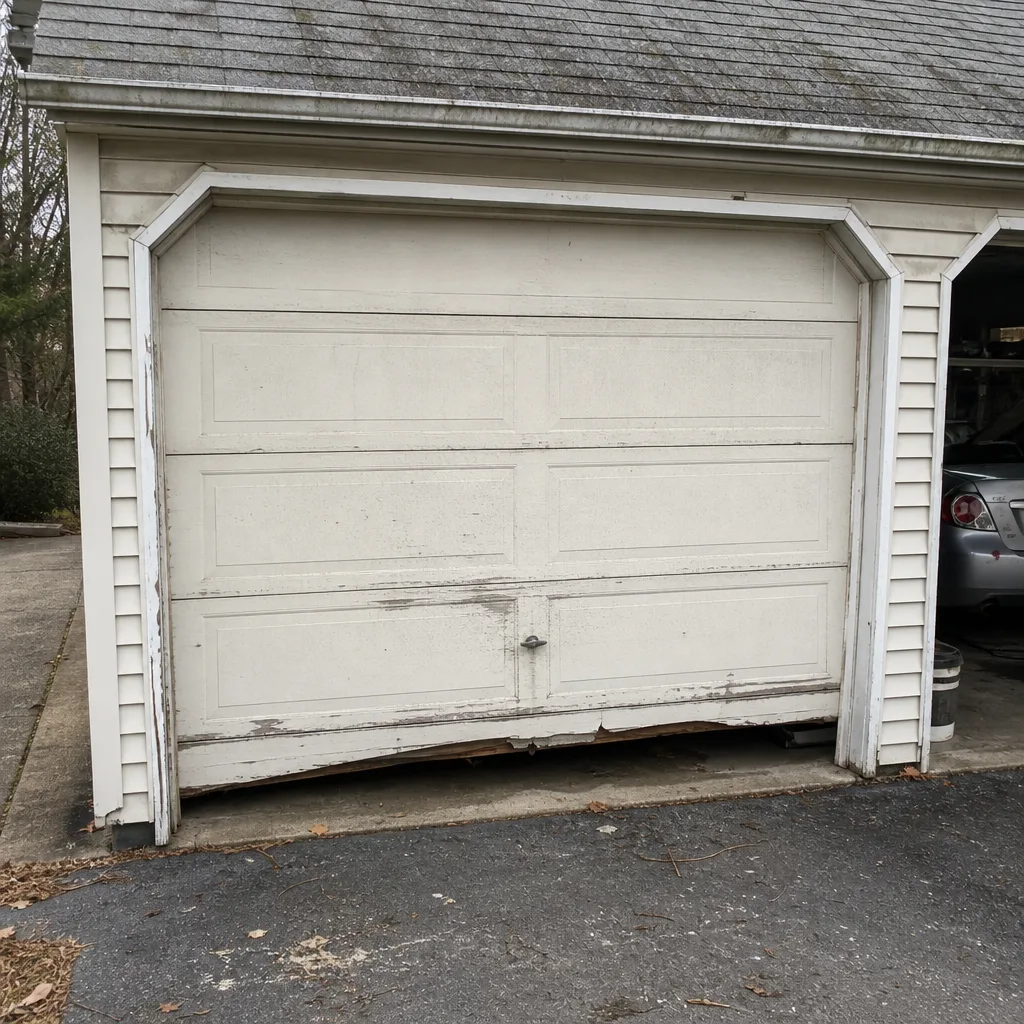 Before
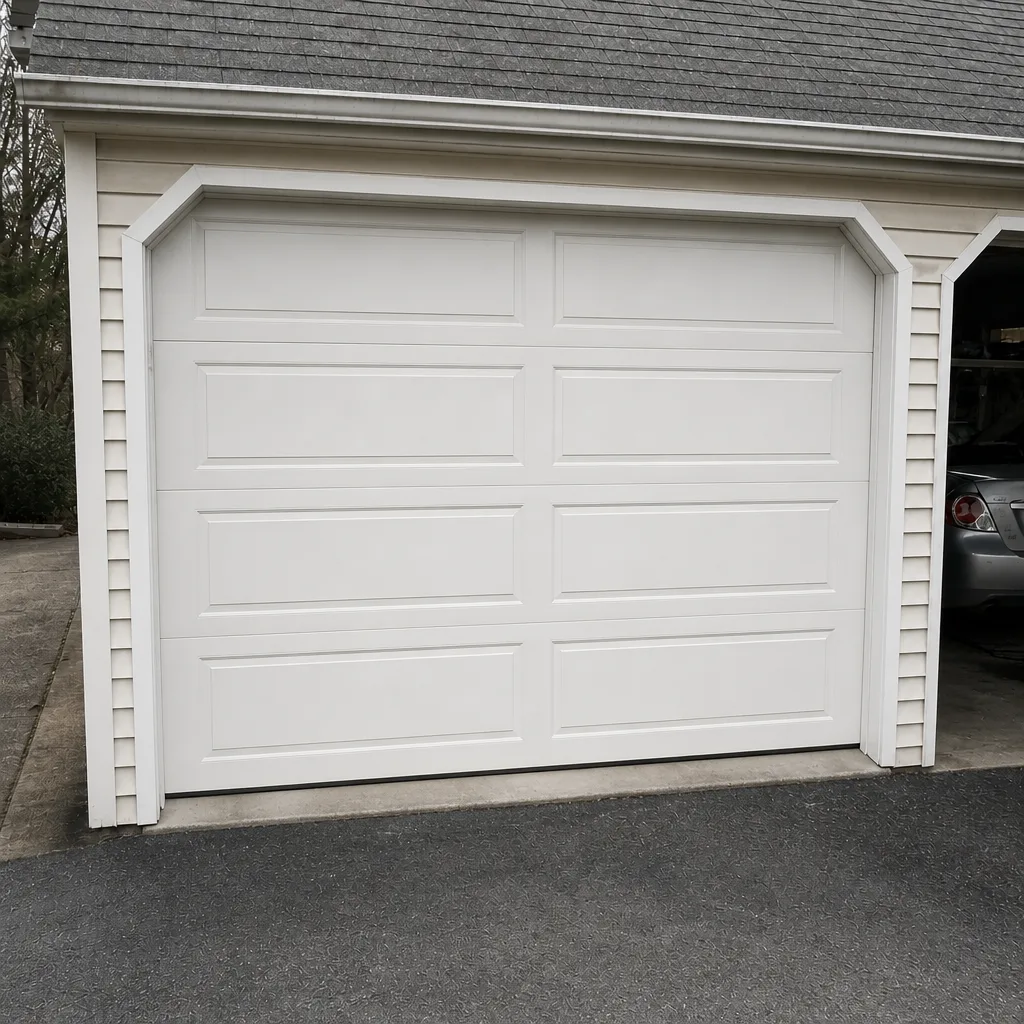 After
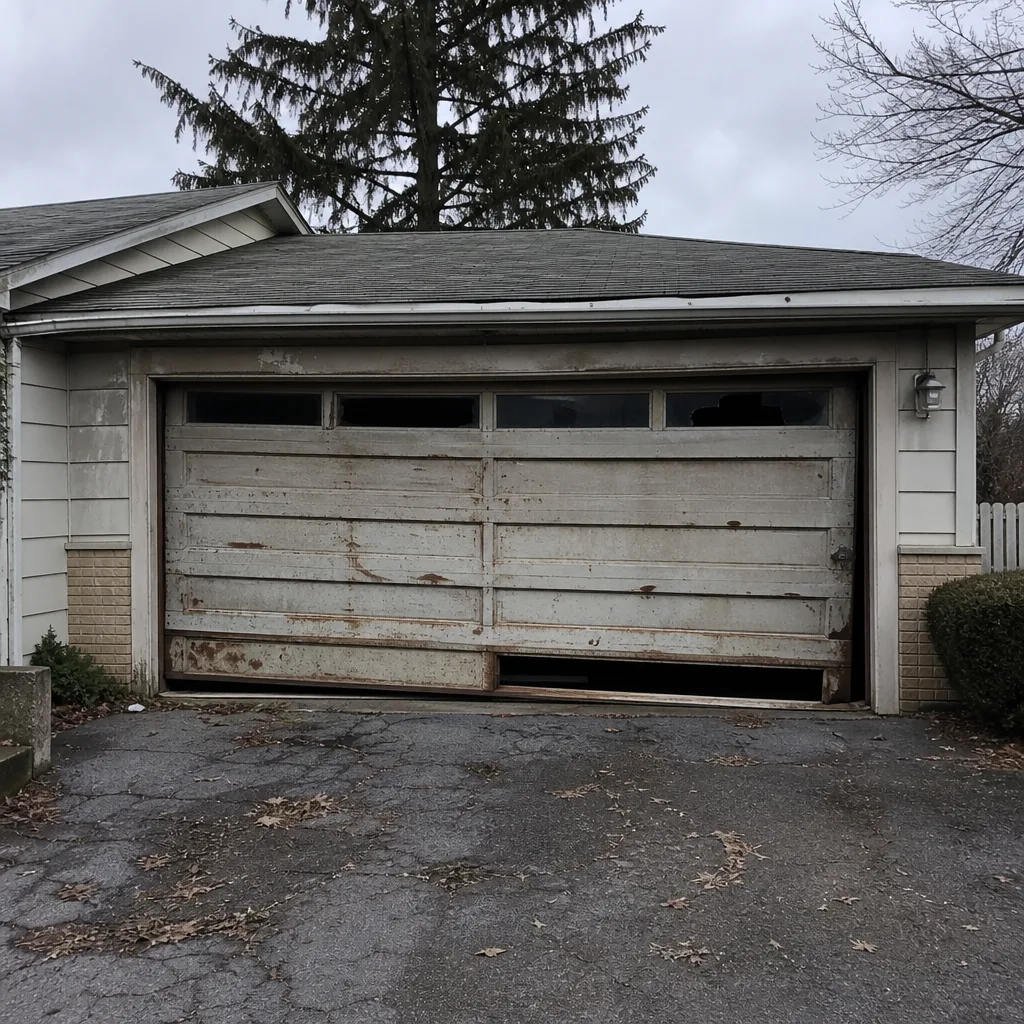 Before
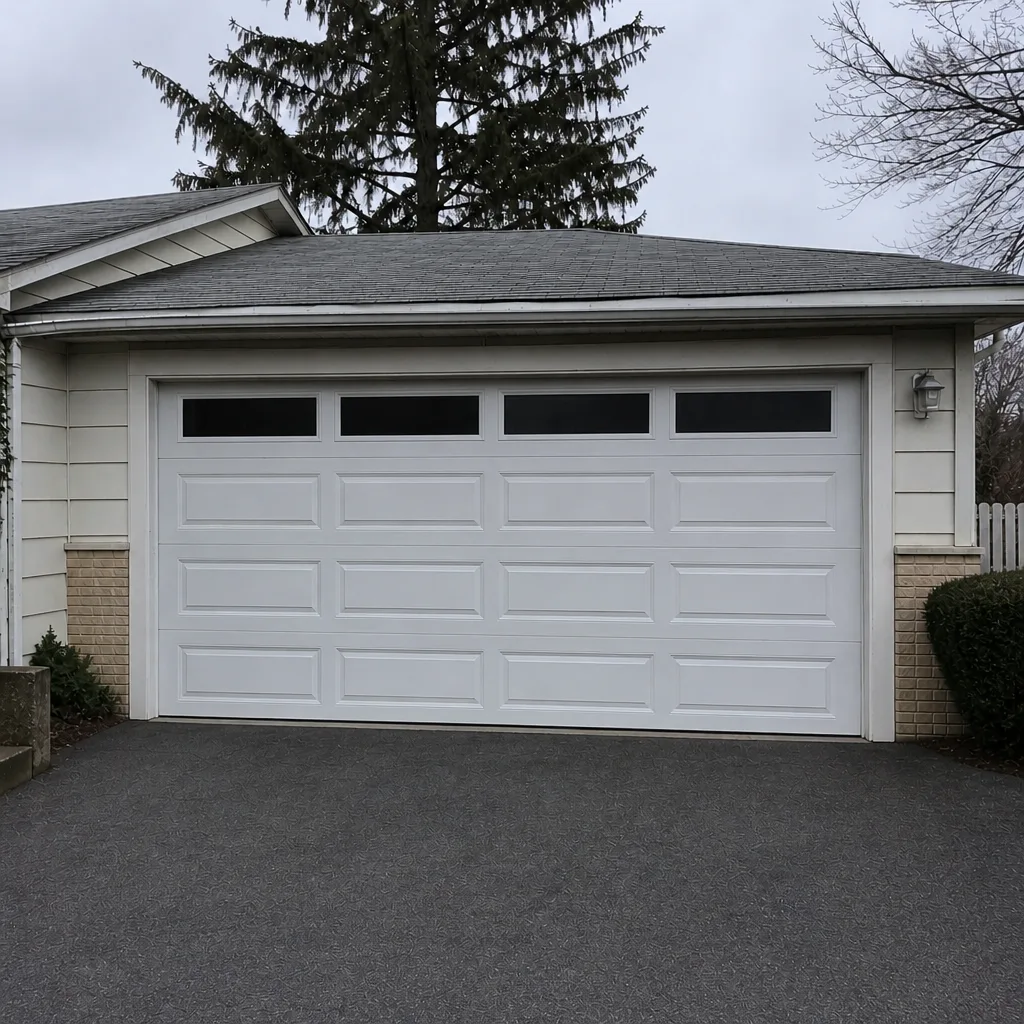 After
When to Call a Professional
Call a professional for spring replacement, cable work, and any track problem on a loaded door. Call if the door jerks, binds, or reverses mid-travel. Call if you’ve had a power outage and the opener won’t respond after you’ve checked the manual. Call if the door is sagging or the panels show a gap that wasn’t there before, since that often means a spring or the frame has shifted. Call if a delivery worker or a family member reports a near-miss with a door that doesn’t behave consistently. And call if you’re unsure. Wayne Garage Door Repair Pros offers free estimates in Wayne, and the number is (844) 708-3348.
Frequently Asked Questions
No, a torsion spring replacement is not safe for a homeowner at any skill level. The spring holds stored mechanical energy, and releasing it incorrectly can cause serious injury. Our technicians handle spring repair as a specialty, so the job goes to people who do it every week. Call (844) 708-3348 for a written estimate, free of charge.
Weatherstripping, lubrication, sensor alignment, remote and keypad programming, and bottom seal replacement are all safe for a homeowner. None of them involve parts under stored tension. If you’re unsure about a specific task, call and we’ll tell you which side of the line it falls on.
No. The price is set by the written estimate and agreed before any work starts. If we open the door and find additional issues, we tell you and you decide before anything changes. Call (844) 708-3348 for an exact quote on your repair.
The homeowner who did the work is generally the one exposed to liability if a DIY repair fails and injures a third party. New Jersey doesn’t exempt a homeowner for negligent work on his own property, and a resulting claim sits with the homeowner. A professional repair shifts that accountability to the business performing the work.
Permit rules vary by town and by the scope of work, and a full door replacement is a common example of a job that may require one. Ask the Wayne building department directly for your specific project before work begins. When you order through us, the installation process handles the permit question for you.
Yes. Partial DIY works when the split is clean: you handle the prep, seals, and programming, and our technicians handle the spring, cable, or track work. What you can’t safely do is half of a spring or cable job, because there’s no safe halfway once the tension is released. Call (844) 708-3348 and we’ll tell you exactly where the split falls for your door.
The Bottom Line
The DIY versus professional question on a garage door comes down to stored energy, not skill. Weatherstripping, lubrication, sensor alignment, remote programming, and bottom seal replacement are yours to do, and the professional cost for each is low enough that either choice is reasonable. Torsion springs, cables, and loaded tracks are never a homeowner task, and no amount of careful effort changes that. Partial DIY can cut your labor bill on bigger jobs. And in Wayne, a written estimate from a trained technician fixes the price before anything starts. Call (844) 708-3348 for a free estimate today.
Written by the team at Wayne Garage Door Repair Pros.