
Last updated November 21, 2026
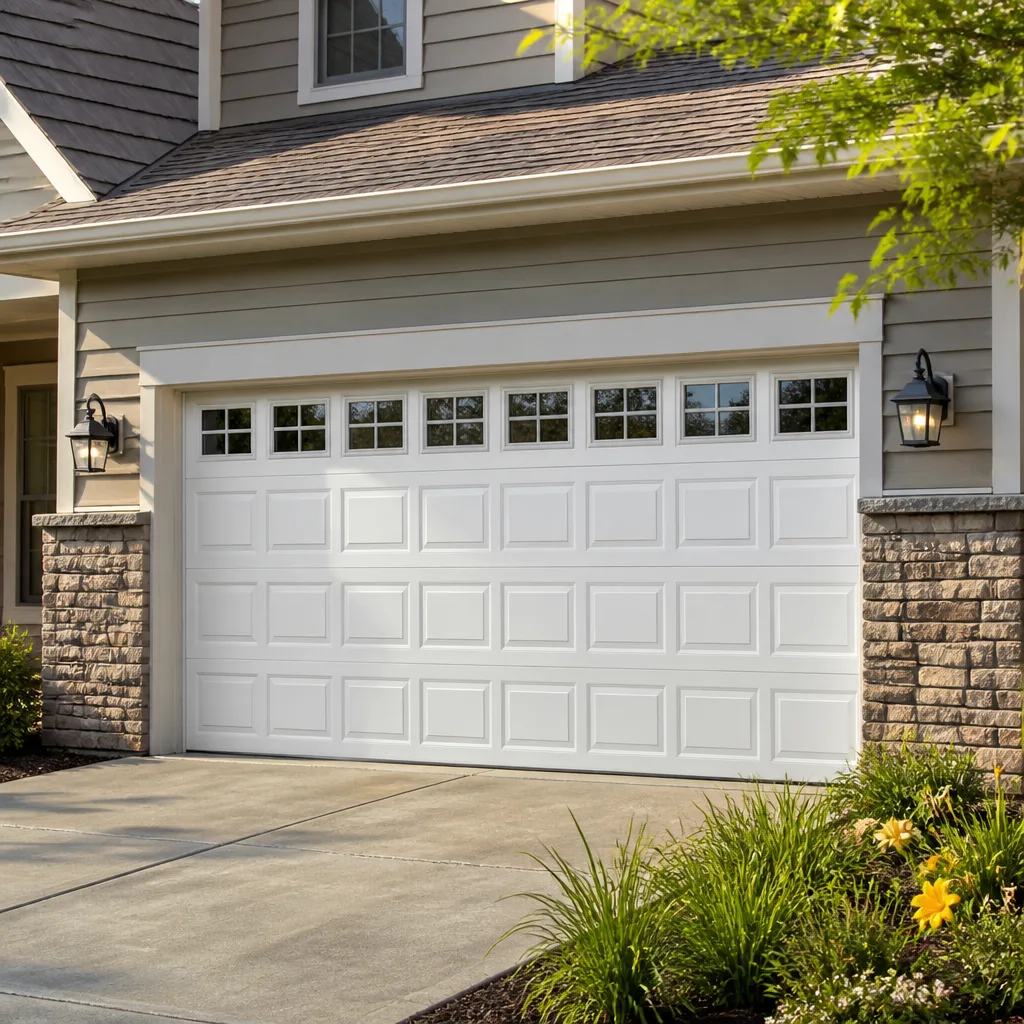 Raised-panel steel
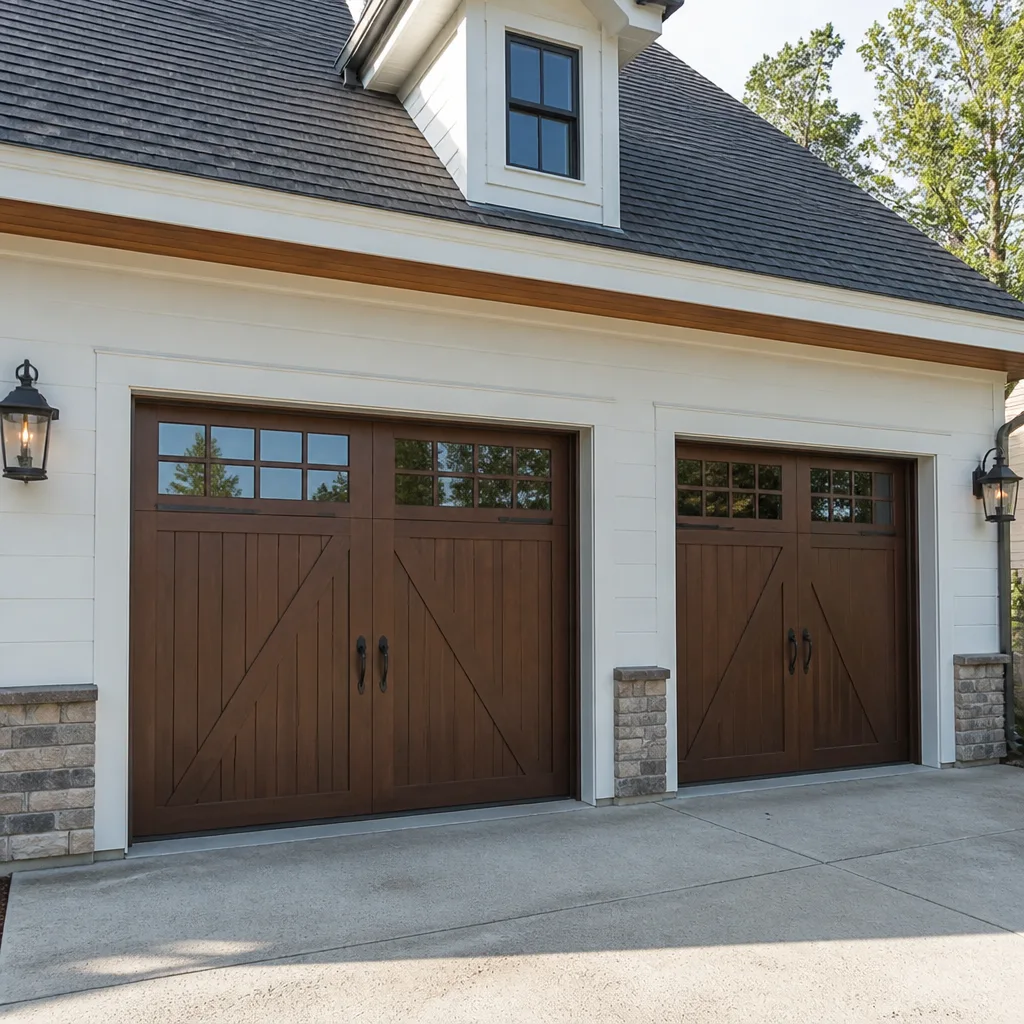 Carriage house
 Modern flush
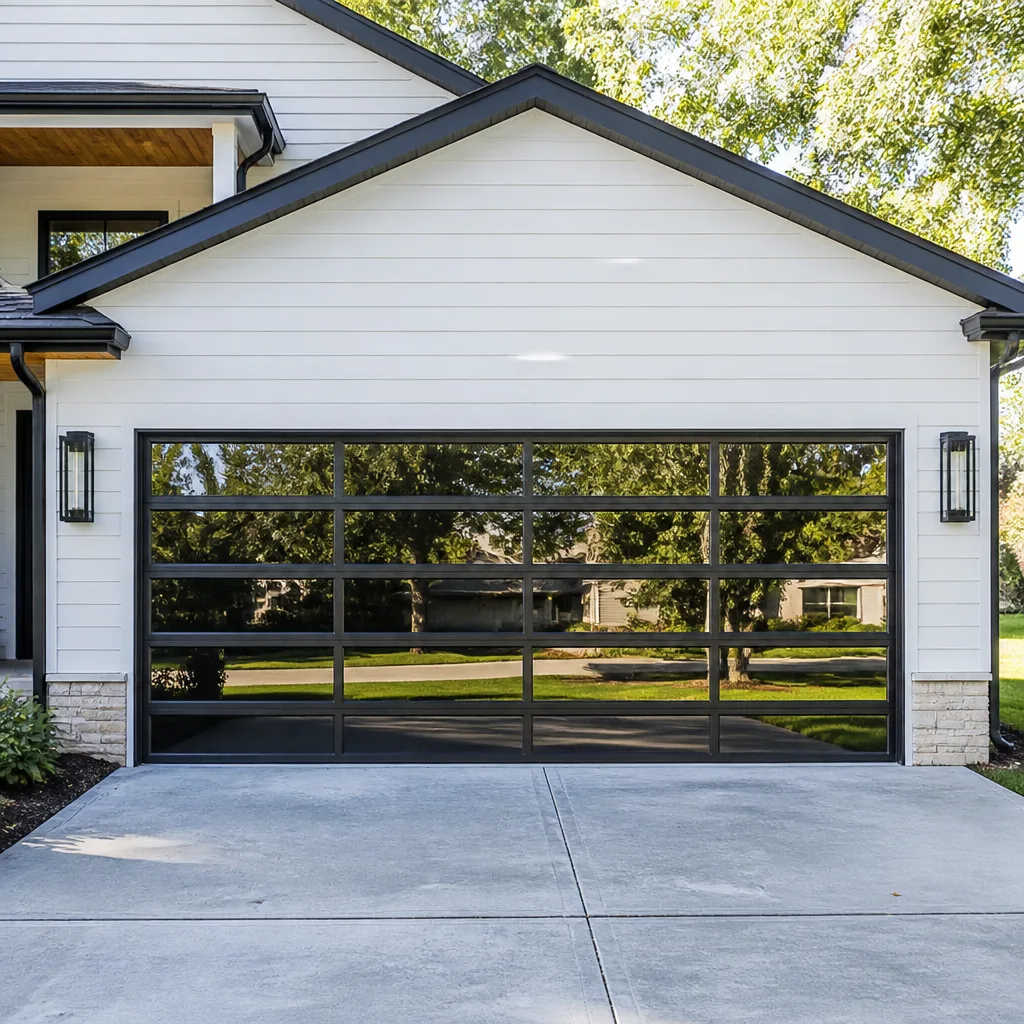 Full-view glass
 LiftMaster openers
 Chamberlain openers
Full 25-point door and opener safety check with every visit - springs, cables, rollers, tracks, and your LiftMaster or Chamberlain opener included
You get a price before we start. It does not change when the pro arrives.
Get your free estimateHow to Hire a Garage Door Contractor in Wayne: A Step-by-Step Guide
Here’s the part most homeowners don’t know until it’s too late: New Jersey does not issue a dedicated garage door contractor license. Anyone with a truck and a clipboard can legally call themselves a garage door contractor in Wayne, and nothing about that title is regulated on its own. That’s not meant to alarm you. It’s meant to explain why the vetting questions in this guide matter more than they would for, say, a plumber or an electrician, where the state credential does much of the sorting for you. A torsion spring under load stores enough energy to cause serious injury when it fails or is handled wrong, and the person you hire to touch it should be able to prove they’re qualified before they start. What follows is the practical, document-based process we’d want a family member to use: how to verify a contractor’s registration, what to ask about warranty terms, how to spot the difference between commercial-grade and commodity hardware, and how to write a scope of work that holds the price where it started. We’ll walk through it step by step, with questions you can read straight off your phone while you’re on the call.
Quick Answer
To hire a garage door contractor in Wayne, verify the contractor’s New Jersey Home Improvement Contractor (HIC) registration through the state’s online database, confirm liability insurance and workers’ compensation coverage in writing, ask specifically what brand and grade of hardware they’ll use, and get a written scope of work with a fixed price before anyone touches the door. The lowest quote is usually the least protected quote, so the vetting matters more than the number. If a contractor can’t answer basic questions about their registration and insurance, that’s your answer.
Styles & brands we work with
- Raised-panel steel
- Carriage house
- Modern flush
- Full-view glass
- LiftMaster openers
- Chamberlain openers
Table of Contents
- Why Garage Door Contractors in Wayne Aren’t Licensed the Way You’d Expect
- How to Verify a Contractor’s NJ HIC Registration in 60 Seconds
- Insurance: What to Demand Before Work Starts
- The Five Questions That Reveal Spring System Quality
- Why the Lowest Quote Often Costs the Most
- Red Flags: Installation vs. Spring Repair Vetting
- How to Structure a Written Scope of Work
- When to Call a Professional
Why Garage Door Contractors in Wayne Aren’t Licensed the Way You’d Expect
New Jersey regulates home improvement contractors through the Home Improvement Contractor (HIC) program, administered by the Division of Consumer Affairs. That registration is real, it’s required, and it covers a contractor’s general business practices: contracts, deposits, consumer protections, and the basic good-standing of the business. What it does not do is test or certify anyone’s competence with a garage door spring, cable, or opener. There is no state exam for garage door work. No trade board signs off on your technician’s ability to wind a torsion spring safely. That distinction is the whole reason this guide exists.
What this means in practice is that the HIC registration is a floor, not a ceiling. It tells you the contractor is a registered business operating under consumer protection rules. It doesn’t tell you whether they’ve worked on a Raynor door before, whether they’ll use a matched pair of springs or one mismatched replacement, or whether their insurance actually covers a cable snapping and damaging your car in the driveway. Those are separate questions, and you have to ask them yourself.
Wayne homeowners live in a mix of housing stock, from mid-century splits to newer construction, and garage doors here run the full range from original wood doors to modern insulated steel. A contractor who’s spent every day on this trade has seen that variety. A generalist handyman who “also does garage doors” usually hasn’t. The registration gets you in the door; the questions below tell you whether to let them stay.
How to Verify a Contractor’s NJ HIC Registration in 60 Seconds
Verification is faster than you’d think, and any legitimate contractor will expect you to do it. Pull up the state Division of Consumer Affairs database on your phone while you’re on the call with them. Here’s the sequence:
- Get the exact business name and registration number. Ask the contractor for both, exactly as they appear on their paperwork. If they hesitate or give you a different name than the one on their written estimate, that’s your first warning.
- Search the state database. The Division of Consumer Affairs maintains an online lookup for registered home improvement contractors. Enter the registration number and confirm the name, address, and status match.
- Check the status field carefully. “Active” is what you want. “Expired,” “suspended,” or “revoked” means stop right there, no matter how good the price is.
- Confirm the registration covers the work you need. A registration isn’t a blank check for every possible job. Make sure the business is registered and in good standing before you discuss scheduling.
- Ask for the certificate of insurance separately. Registration and insurance are two different documents. We’ll cover insurance in the next section.
This whole process takes about a minute. If a contractor can’t produce a registration number, or the number doesn’t match the business name they’re using in Wayne, you’ve saved yourself a much more expensive mistake. Wayne Garage Door Repair Pros works with vetted local professionals who are registered and insured as their state requires, and we’d rather you verify than take our word for it.
Insurance: What to Demand Before Work Starts
Ask for two separate documents: a certificate of general liability insurance and a certificate of workers’ compensation insurance. They protect different things, and a contractor who can only produce one is a contractor with a gap you’ll end up covering.
- General liability insurance covers property damage. If a technician’s work damages your door, your car, or the structure of your garage, this is the policy that responds. Get the certificate, check the effective dates, and confirm it’s current.
- Workers’ compensation insurance covers the technician if they’re injured on your property. This is the one homeowners skip, and it’s the one that matters most. If an uninsured technician is hurt in your garage, the claim can come back to your homeowner’s policy.
Ask for these certificates to be sent to you directly, not recited over the phone. A legitimate contractor can email a current certificate in minutes. If they say “we’re insured” without documentation, that’s not insurance, that’s a phrase.
Here’s the part that connects hiring to your own coverage: unpermitted or uninsured work can complicate a homeowner’s insurance claim if something goes wrong later. We’re not going to tell you a specific horror story or quote a dollar figure, because those vary wildly by policy and situation. But the logic is straightforward. Your insurer expects work on your home to be done by qualified, insured professionals operating under the state’s registration rules. When it isn’t, the claim can get contested. That’s a risk you can eliminate in about five minutes of document collection.
The Five Questions That Reveal Spring System Quality
Spring work is where contractor quality shows, because springs are where the shortcuts hide. A torsion spring system is under constant tension, and the hardware grade matters. Ask these five questions before you agree to spring work, and listen to how specifically the contractor answers.
- “Are you replacing one spring or the matched pair?” Springs are usually installed as a matched pair and wear at the same rate. A contractor who quotes a single spring on an old pair is setting you up for the second one to fail shortly after. They should explain why they’re recommending one or both.
- “What brand and grade of spring are you using?” Commercial-grade springs generally last longer than commodity hardware. Ask them to name what they use and put it in writing on the estimate.
- “What’s the warranty on the spring itself, and is it prorated?” A warranty that shrinks in value every month after installation is different from a straight replacement warranty. Get the terms.
- “Is the labor covered, or just the part?” A hardware warranty that doesn’t cover the labor to install a replacement still leaves you paying for the visit.
- “What cycle rating is the replacement spring rated for?” Cycle rating is the industry measure of how many open-close cycles a spring is built to handle. A contractor who can discuss cycle ratings knows springs. One who can’t is guessing.
Our technicians handle both torsion and extension springs as a core specialty, and we work on LiftMaster, Chamberlain, and Craftsman opener systems alongside the doors they control. Springs aren’t a handoff job for us. When a contractor refers spring work out to a third party, you’ve lost control of the warranty chain and the quality of the hardware in one move.
Why the Lowest Quote Often Costs the Most
The lowest quote is frequently the one from the operator with the least insurance, the least registration paperwork, and the least experience with your specific door. That’s not a coincidence. Insurance, registration, and trained technicians all cost money, and a quote that undercuts everyone else has to cut something to get there.
Think about the risk cost in concrete terms. If a contractor damages your door panel, your car, or your garage structure and has no liability insurance, you’re either paying out of pocket or filing a claim on your own homeowner’s policy. If their technician is injured and they carry no workers’ comp, the claim can reach your policy too. A quote that’s lower by a wide margin isn’t saving you money. It’s shifting risk onto you without telling you. The real comparison isn’t the sticker price; it’s the sticker price plus the cost of the risk you’re carrying.
We’re not going to hand you a number for what that risk costs, because it depends entirely on your policy, your deductible, and the situation. Instead, do this: when you get three quotes and one is dramatically lower, ask that contractor for the registration number and the insurance certificates. If they can’t produce them, you’ve found the reason for the discount. If they can, you’ve found a genuine deal. Either way, you now know.
We quote per job and stand behind a written estimate, and the price is agreed before any work starts. That’s not a marketing line. It’s the structure that prevents the invoice from becoming a surprise after the door is already off its tracks.
Red Flags: Installation vs. Spring Repair Vetting
The vetting criteria differ by job type, and that distinction catches people. Spring repair is a same-day, high-risk repair; a new door installation is a measured, ordered, scheduled project. You’re evaluating different things in each case.
Installation red flags
- No written measurement or door sizing before quoting. A door is ordered to fit; a phone quote without a measure is a placeholder.
- Vague or missing details on brand, model, insulation value, and hardware on the quote. A written installation estimate should name the product.
- Pushing a premium door or a full premium package without explaining why. Repair first, replace only when it makes sense; a good contractor will tell you when a repair is the better answer.
- No discussion of disposal of the old door, or unclear who handles it.
- Pressure to sign on the spot before you’ve seen the written scope.
Spring repair red flags
- “We’ll just replace the spring” without asking about the door’s weight, the opener model, or the cycle count. Springs are matched to the door.
- No safety discussion about the high-tension system. A real expert flags the danger of working around loaded springs and cables.
- Any offer of same-day work that skips writing down the estimate before starting.
- No explanation of why the spring failed, which matters for preventing the next one.
One more red flag for both: a contractor who won’t touch an older door or a non-standard brand. We work on Clopay, Amarr, Wayne Dalton, Raynor, and the other common residential brands specifically. A contractor who only works on one make is a contractor who’ll tell you your door needs replacing when it needs a part.
How to Structure a Written Scope of Work
A written scope of work is your protection against bait-and-switch pricing on parts mid-job. It should be on paper, signed, and specific enough that a different technician could execute it. Here’s what to insist on before anyone starts.
- Specific parts by brand and grade. Not “springs” but the brand, grade, and quantity. Not “opener” but the model.
- A fixed price for the defined work. The written estimate sets the final price. If the scope changes, the price change must be agreed in writing before the change happens, not after.
- A line for “unforeseen conditions.” A good scope acknowledges that opening a door can reveal hidden damage. The scope should say how that gets handled: re-quoted, agreed, then done. It should not be an open door for a surprise invoice.
- Warranty terms in the document. Parts warranty, labor warranty, and the length of each, stated on the quote.
- The contractor’s registration number and insurance details. If they’re not on the estimate, ask why.
We take repair-first seriously. Opener repair across LiftMaster and Chamberlain smart and legacy systems is a large part of what we do, and we diagnose before recommending replacement, because a unit that needs a targeted fix shouldn’t be replaced. For remote openers, we work on your door opener repair and keep the old unit working where it makes sense, rather than upselling a full panel replacement. The written scope is where that commitment becomes something you can hold a contractor to.
Common Mistakes to Avoid
- Hiring on price alone. The quote without insurance and registration isn’t a comparable quote. Compare the full package, not the sticker.
- Skipping the state registration lookup. It takes a minute and catches expired or suspended registrations. Wayne homeowners can do this before the contractor arrives.
- Not asking about the matched pair. Replacing one spring on a paired system usually means the second one fails shortly after. A good contractor explains this up front.
- Accepting a verbal estimate. If the price isn’t on paper with a scope of work, you have no protection if the invoice changes mid-job.
- Letting anyone touch a torsion spring without discussing safety. Springs are a genuine hazard, and a contractor who doesn’t flag that isn’t being straight with you. Frame the conversation around what a safe repair involves, not a DIY attempt.
- Confusing the HIC registration for a competence certificate. It’s a business registration, not a trade license, and it doesn’t test garage door skill. Ask about brand experience separately.
- Overlooking your own door. A garage door that’s been ignored for years can hide cable wear or track misalignment that only shows up under load. Include an inspection in the scope.
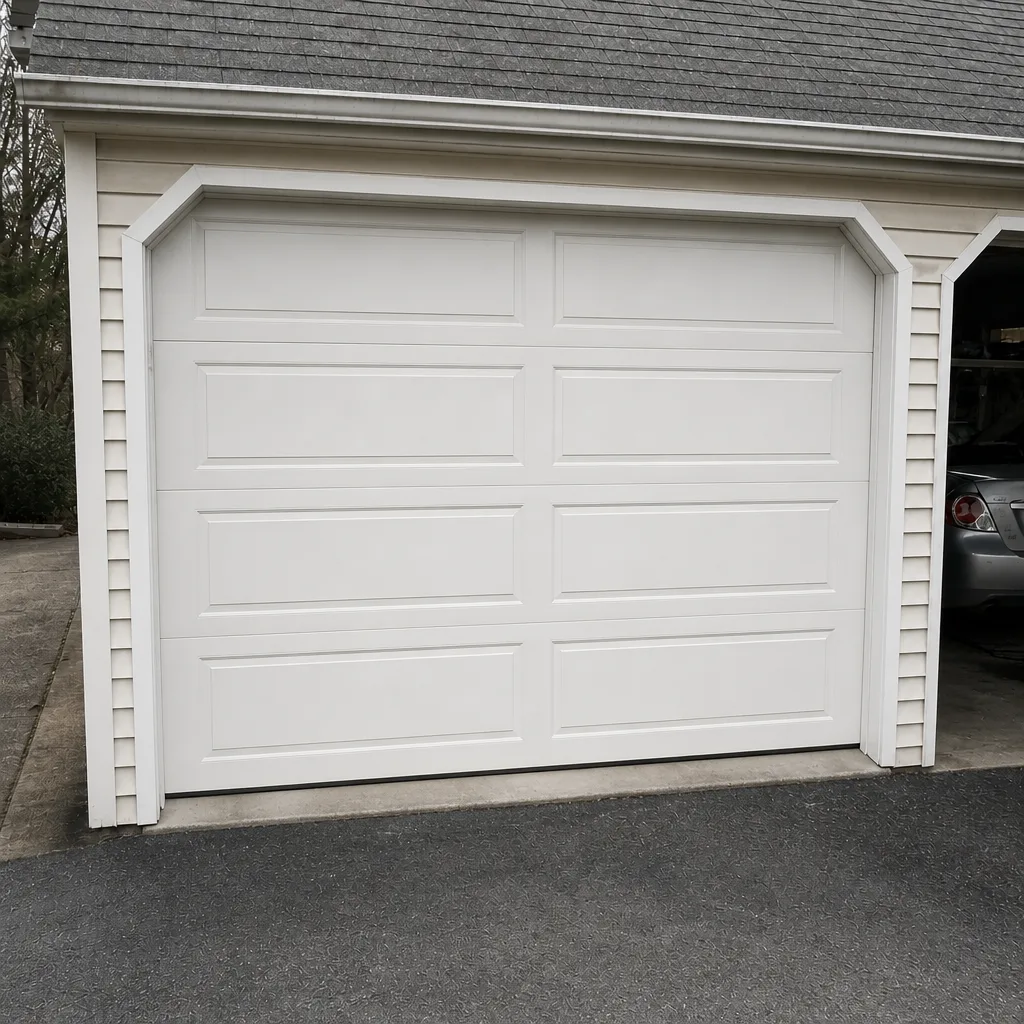
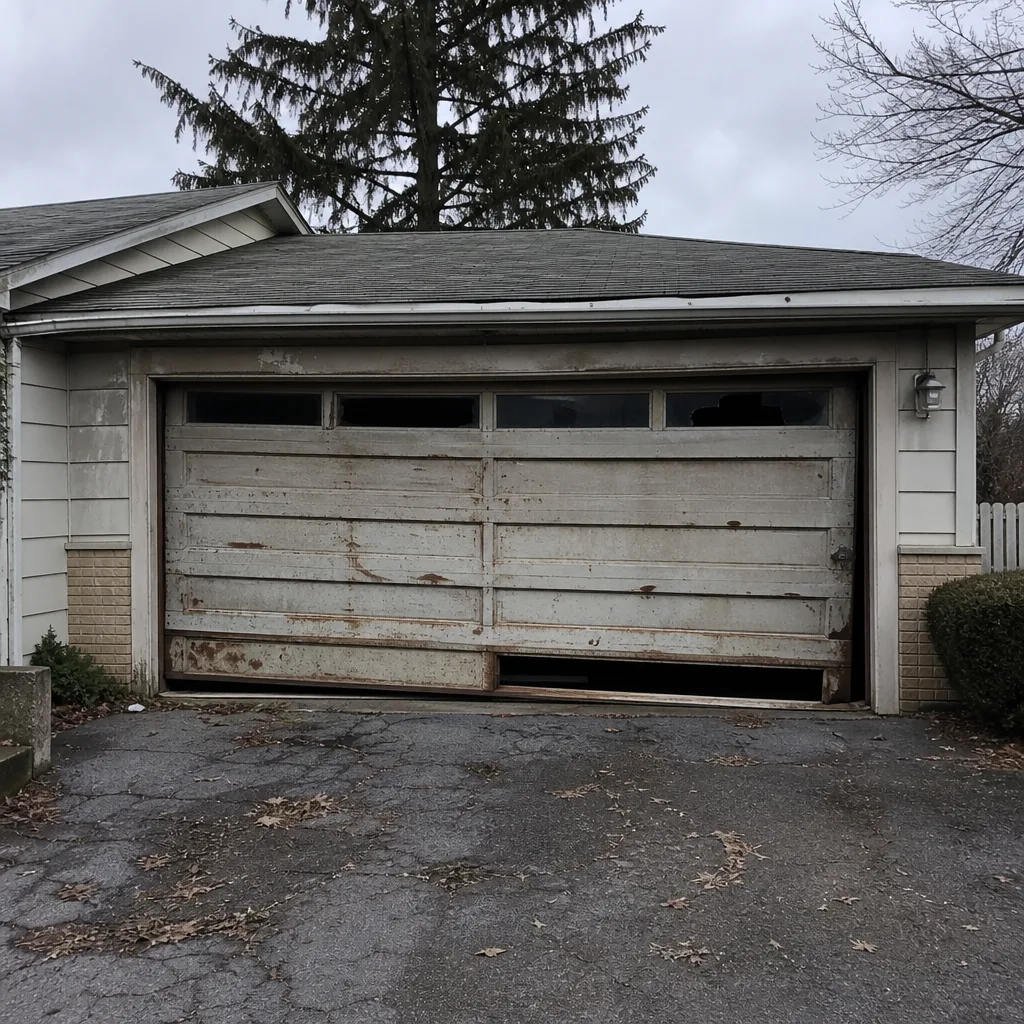
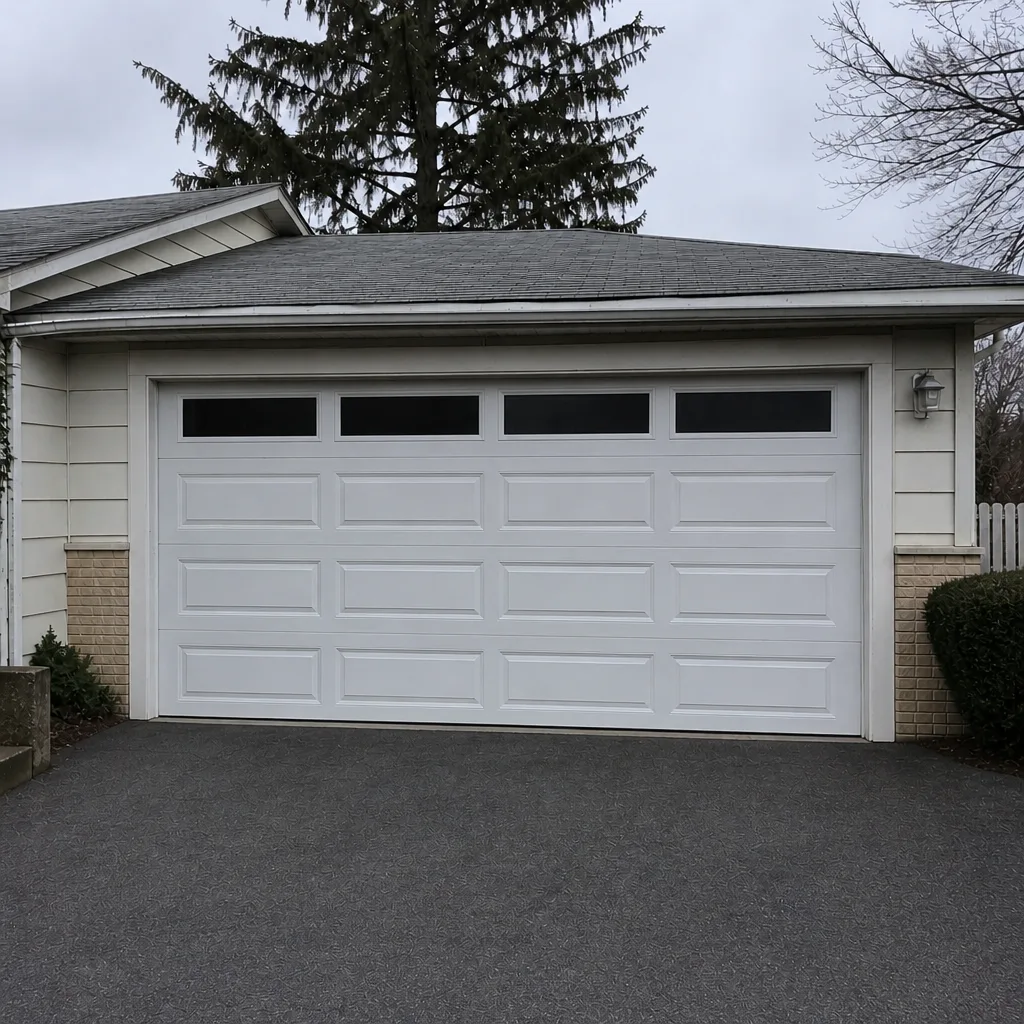
See the difference
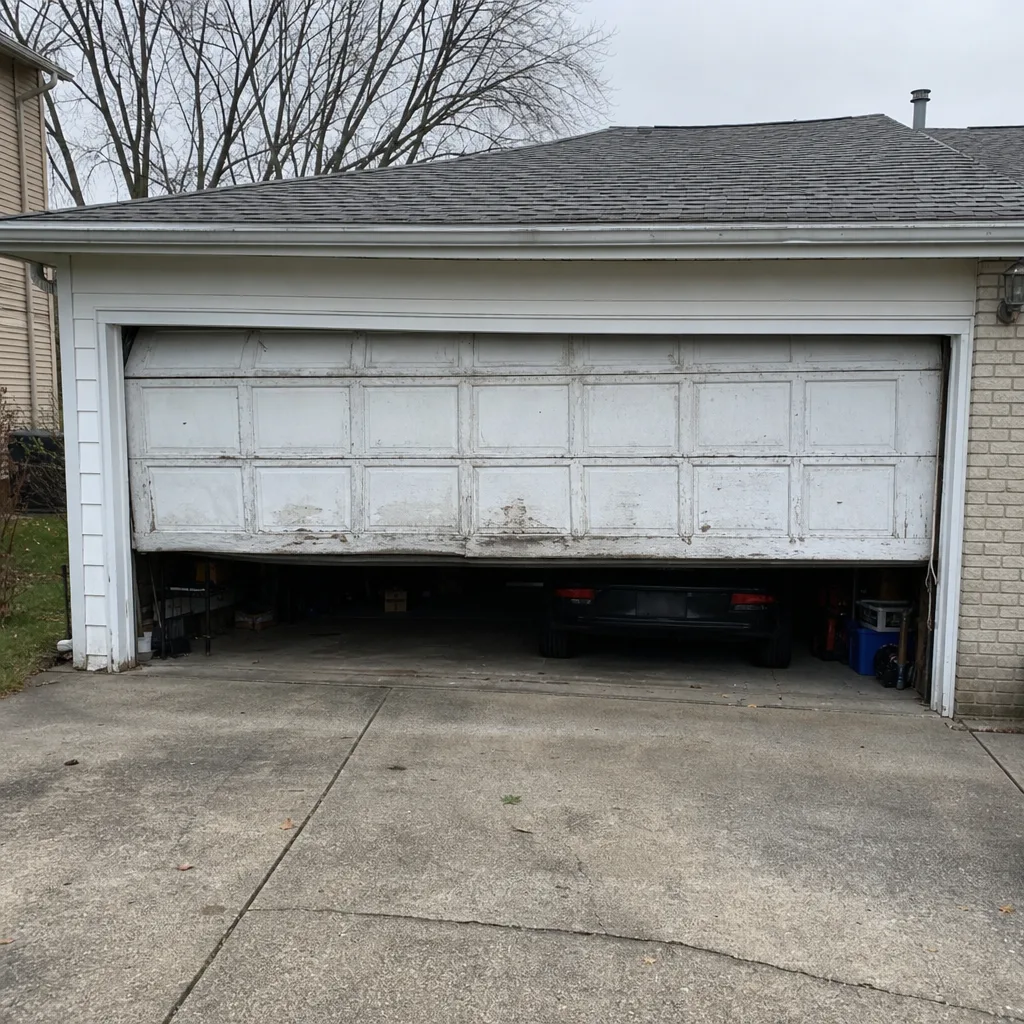 Before
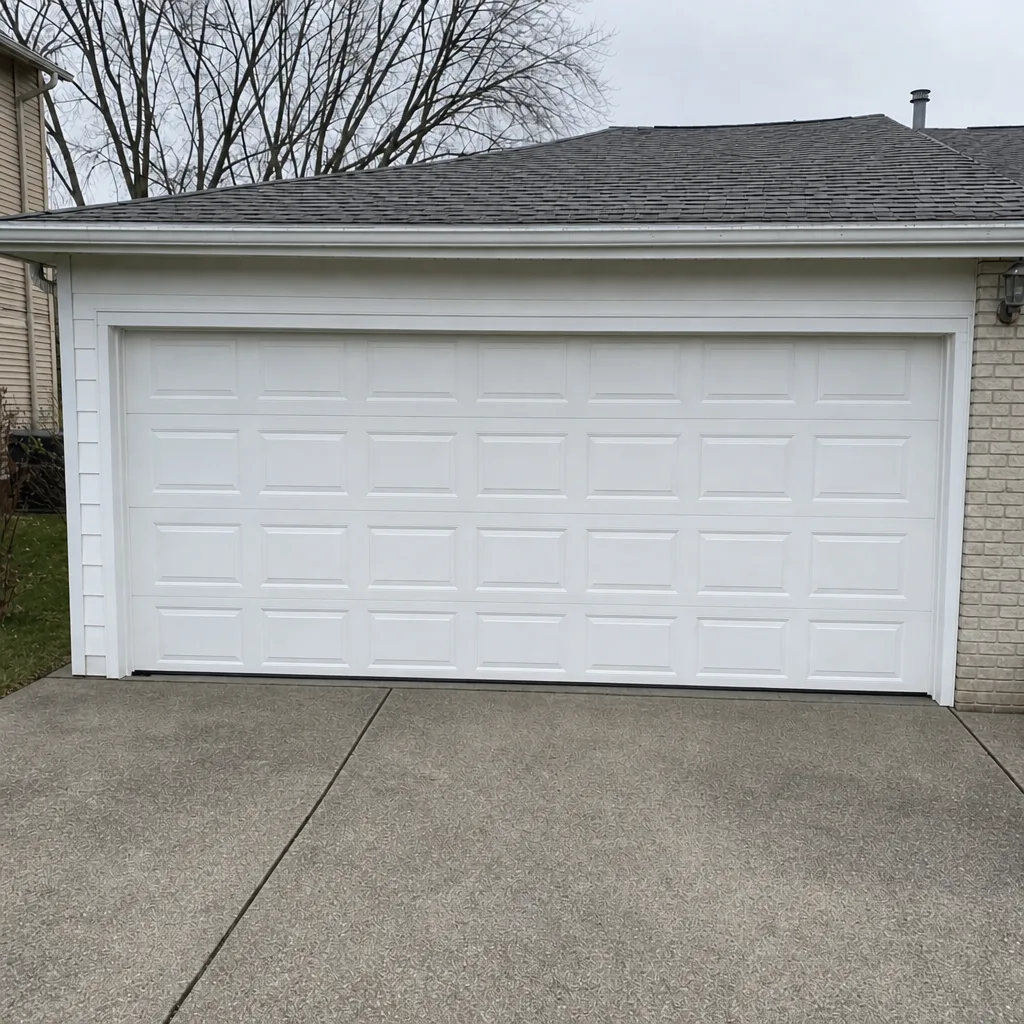 After
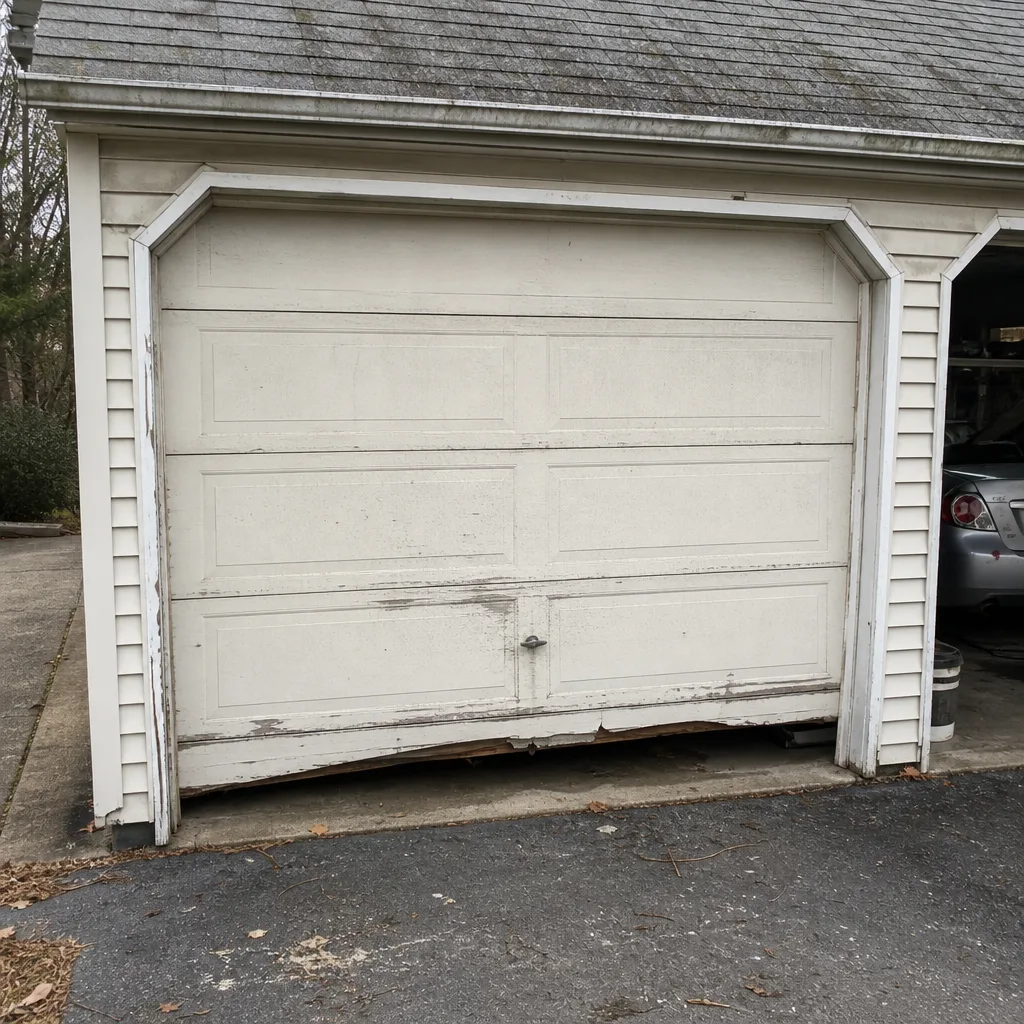 Before
 After
 Before
 After
When to Call a Professional
Some garage door problems are genuinely a tool-and-patience job for a careful homeowner, but a long list of them are not. Call a professional if a torsion spring has snapped or is visibly separated, if a cable is frayed or off its drum, if the door has come off its tracks, if the opener runs but the door doesn’t move, or if the door reverses unpredictably when it meets an obstruction. These involve loaded springs, high-tension cables, or electrical components, and the safety margin is too thin for a guess. A door that’s simply noisy or slightly misaligned can often be diagnosed quickly.
Wayne Garage Door Repair Pros offers free estimates in Wayne at (844) 708-3348, so if you’re unsure whether a problem needs a visit, a call settles it. Our technicians have up to 11 years of experience, and we handle spring repair as a core specialty rather than a referral. Call (844) 708-3348. We answer 24/7. Fast dispatch from 7am to 7pm, Sunday through Friday. A call outside those dispatch hours is booked into the next opening.
Frequently Asked Questions
Check three things in this order: the contractor’s New Jersey Home Improvement Contractor registration and its status, current general liability and workers’ compensation insurance certificates, and a written scope of work with a fixed price. Those three documents separate a vetted contractor from someone with a phone number and a business card. If any of the three is missing, keep calling.
No. New Jersey does not issue a dedicated garage door contractor license, so the HIC registration is the main state credential to verify, and it covers business practices rather than garage door skill. Because of that, you have to vet brand experience and spring system knowledge yourself. That’s why the questions in this guide matter so much in Wayne specifically.
The price is set per job by the written estimate, so it depends on the door, the spring system, and whether you need one spring or a matched pair. We don’t publish a fixed number because a quote that ignores your door’s specifics isn’t a real quote. Call (844) 708-3348 for an exact estimate, which is free.
No, not on a defined scope of work. The written estimate is agreed before any work starts, and any change gets re-quoted and agreed before it happens. That protects you from an invoice that grows after the door is already apart. It’s the single most important protection on a repair job.
In many cases, yes, because spring repair is a core service rather than a referral. Call (844) 708-3348. We answer 24/7. Fast dispatch from 7am to 7pm, Sunday through Friday, and a call outside those hours gets booked into the next opening. Emergency garage door service is a real part of what we do, not a callback promise.
We service LiftMaster, Chamberlain, Genie, Clopay, Amarr, Wayne Dalton, Craftsman, and Raynor systems specifically, which covers most residential doors and openers in Wayne. We don’t treat a single brand as the only thing we’ll touch. If your door or opener is one of these, we can tell you what a diagnosis and repair looks like before you commit.
A door off its tracks or stuck open is a safety issue, so don’t force it closed or run the opener against it. Call a professional. We handle doors off track and openers that won’t respond as part of emergency garage door work, and the sooner it gets looked at, the less risk there is to the door and the housing.
The Bottom Line
Hiring a garage door contractor in Wayne comes down to verifying three documents and asking five questions. Check the HIC registration and its status, get current liability and workers’ comp certificates in writing, and insist on a scope of work with named parts and a fixed price. Ask about the matched pair, the brand and grade of hardware, the warranty terms, and the labor coverage. When a quote is dramatically lower, ask for the paperwork that explains why. That process takes about twenty minutes and protects you from the most expensive mistakes. Repair first, replace only when it makes sense, and write it all down. If you want to walk through your specific situation, call (844) 708-3348 for a free estimate in Wayne. Our technicians have up to 11 years of experience, and we’ll tell you plainly what the door needs.
Written by the team at Wayne Garage Door Repair Pros.